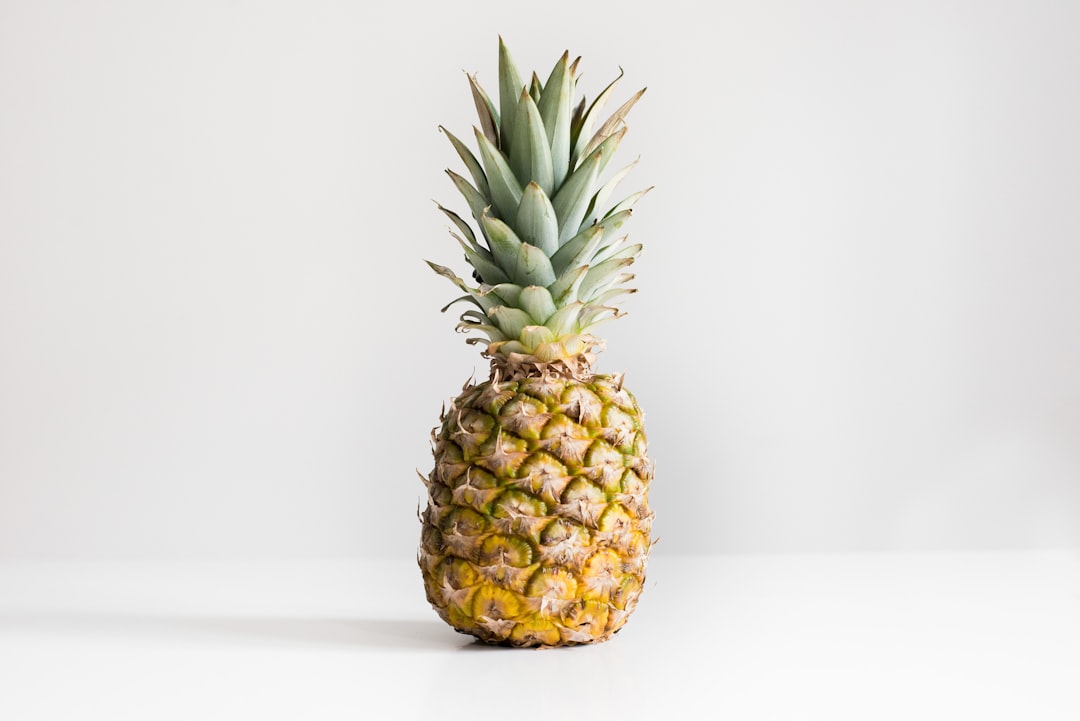
The diets react (see scores below)
Diet Ratings
1 cup (~165g) contains ~22g net carbs and ~16g sugar. High sugar and carb content exceed keto limits. Incompatible with ketosis maintenance.
Whole plant food, naturally vegan, contains bromelain enzyme and vitamin C. No animal products or derivatives.
Unprocessed tropical fruit with paleo approval. Contains bromelain enzyme with digestive benefits, vitamin C, and fiber. Higher sugar content but acceptable in moderation as whole fruit.
Pineapples contain bromelain and nutrients but are higher in natural sugars and not traditional to Mediterranean regions. Acceptable as occasional fruit but not a staple emphasis.
Modern Mediterranean diet interpretations increasingly include diverse tropical fruits available in contemporary markets. Some nutritionists view pineapple's enzyme content as beneficial.
Plant-derived tropical fruit with high sugar and carbohydrate content. Excluded from carnivore diet as a plant food.
Whole fruit with no added ingredients. Explicitly compliant as a natural fruit allowed on Whole30.
Monash University rates pineapple as low-FODMAP at a standard serving of 1 cup (150g). It is low in fructans, GOS, and polyols, making it suitable for the elimination phase.
DASH-approved fruit. Good source of vitamin C, potassium, and bromelain enzyme. Low sodium. Natural sugars acceptable in whole fruit form.
High glycemic load with significant natural sugars and bromelain enzyme. Exceeds Zone carb targets. Dr. Sears categorizes as high-glycemic fruit to minimize or avoid.
Contains bromelain enzyme with documented anti-inflammatory and proteolytic properties. Good source of vitamin C and manganese. Supports digestive health and reduces inflammation.
Moderate fiber (1.4g per 100g), high natural sugar (12g per 100g), contains bromelain (may worsen reflux/nausea in some GLP-1 patients). High glycemic index. Acceptable in very small portions only.
Nutritional profile
Six traits that cut across every diet.
Fiber & Plants
How much whole-plant food and fiber it delivers.
Healthy Fats
The quality of its fats (unsaturated, omega-3).
Whole / Unprocessed
How close it is to its natural, unprocessed form.
Gut Gentle
How easy it is on digestion (low FODMAP, few irritants).
Low Glycemic
How little it spikes your blood sugar.
Protein Density
How much protein it packs per calorie.
Controversy Index
Score range: 1–10/10. Higher controversy = more disagreement between diets.
Diet-Specific Tips for Pineapple
 Vegan — 9/10
- whole food
- no processing
- high nutritional value
- no animal products
 Paleo — 8/10
- Unprocessed whole food
- Moderate to higher natural sugar
- Contains bromelain enzyme
- Available to some hunter-gatherer populations
 Mediterranean — 6/10
- Higher natural sugar content
- Not traditional to region
- Contains bromelain enzyme
- Whole fruit form
 Whole30 — 10/10
- Whole fruit
- No added sugar
- No processing
 Low-FODMAP — 8/10
- Low fructan content
- Low polyol content
- Standard serving well-tolerated
 DASH — 8/10
- High vitamin C
- Good potassium source
- Low sodium
- Bromelain enzyme
- Anti-inflammatory properties
 Anti-Inflammatory — 7/10
- Bromelain enzyme
- Vitamin C
- Anti-inflammatory compounds
- Digestive support
 GLP-1 Friendly — 5/10
- high natural sugars
- low fiber
- bromelain enzyme
- potential reflux trigger
- high glycemic index