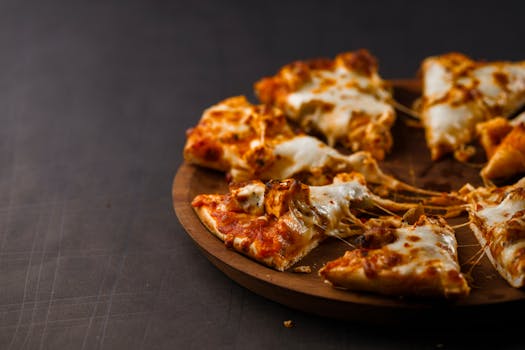
The diets react (see scores below)
Diet Ratings
Cheese pizza depends on crust type. Traditional wheat crust contains 20-30g net carbs per slice. Thin-crust or cauliflower-crust versions are keto-compatible. Cheese and toppings are keto-friendly.
Some keto practitioners accept 1-2 slices of thin-crust pizza if it fits daily carbs, while stricter adherents avoid grain-based crust entirely and only eat cauliflower-crust versions.
Contains cheese, which is dairy product derived from animal milk. Dairy is explicitly excluded from vegan diet.
Pizza contains wheat flour crust (grain) and cheese (dairy). Both are paleo violations. The tomato sauce and toppings may be acceptable, but the crust and cheese disqualify the entire dish.
Traditional Mediterranean pizza can align with diet if made with whole grain crust, olive oil, fresh vegetables, and moderate cheese. However, commercial cheese pizza typically uses refined flour crust, excessive cheese (saturated fat), and processed ingredients. Preparation method and ingredient quality are critical.
Mediterranean regions, particularly Italy, have strong pizza traditions. Authentic Neapolitan pizza with whole grain crust, fresh tomatoes, basil, olive oil, and moderate cheese aligns well with Mediterranean principles; however, modern commercial versions often deviate significantly.
Cheese pizza contains cheese (animal-derived dairy, debated within carnivore community) but is served on wheat flour crust (plant-derived grain). The crust violates core principles, but the cheese component is animal-derived. Dairy inclusion itself is contentious in carnivore community.
Strict 'meat only' carnivore practitioners avoid all dairy and plant-based crust entirely; 'animal-based' practitioners following Saladino's approach might include raw cheese but would still avoid the wheat crust. The crust is universally problematic, but dairy acceptance varies significantly.
Pizza contains both excluded ingredients (grain crust, dairy cheese) and is explicitly prohibited as a recreated baked good/junk food under Whole30 rules.
Wheat crust is high-FODMAP (fructans). Cheese is low-FODMAP if lactose-free or aged. Tomato sauce may contain excess fructose or garlic/onion. Standard pizza crust makes this problematic for elimination phase, but low-FODMAP crust alternatives exist.
Monash rates wheat crust as high-FODMAP; however, using a low-FODMAP crust (gluten-free certified, cauliflower-based, or rice-based) with lactose-free cheese and verified sauce would make pizza approvable.
Cheese pizza is high in saturated fat and sodium from cheese and processed crust. Typically 600-800mg sodium and 6-8g saturated fat per 2-3 slices. Refined grain crust lacks fiber. Minimal vegetable content.
White flour crust is refined carbohydrate (high-glycemic). Cheese provides protein and fat but is saturated fat-heavy. Tomato sauce may contain added sugars. Lacks vegetables. Macro balance skewed toward refined carbs and saturated fat. Violates Zone on carb quality and fat profile. Difficult to portion control.
Refined wheat crust is inflammatory refined carbohydrate. Full-fat cheese is high in saturated fat. Typical pizza sauce may contain added sugars. Minimal anti-inflammatory vegetables unless heavily loaded. Baked preparation doesn't offset inflammatory base ingredients.
High saturated fat from cheese and often fatty crust/oil. Refined carbs in crust with low fiber. High sodium and calories. Fried or greasy preparation common. Moderate protein from cheese but fat content far outweighs benefit. Triggers nausea, bloating, reflux in GLP-1 patients. Poor nutrient density per calorie. Cauliflower crust with lean protein toppings vastly superior.
Nutritional profile
Six traits that cut across every diet.
Fiber & Plants
How much whole-plant food and fiber it delivers.
Healthy Fats
The quality of its fats (unsaturated, omega-3).
Whole / Unprocessed
How close it is to its natural, unprocessed form.
Gut Gentle
How easy it is on digestion (low FODMAP, few irritants).
Low Glycemic
How little it spikes your blood sugar.
Protein Density
How much protein it packs per calorie.
Controversy Index
Score range: 1–5/10. Higher controversy = more disagreement between diets.
Diet-Specific Tips for Pizza (cheese)
 Mediterranean — 5/10
- crust type critical
- cheese quantity important
- vegetable toppings beneficial
- olive oil preparation ideal
- ingredient quality variable
 Carnivore — 5/10
- Cheese is animal-derived but dairy (debated)
- Wheat crust is plant-derived grain
- Dairy tolerance varies individually
- Crust violates animal-only principle
 Low-FODMAP — 4/10
- Wheat crust contains fructans
- Cheese is low-FODMAP if lactose-free
- Tomato sauce may contain garlic, onion, or excess fructose
- Crust alternative required for approval
- Sauce verification needed