The diets react (see scores below)
Diet Ratings
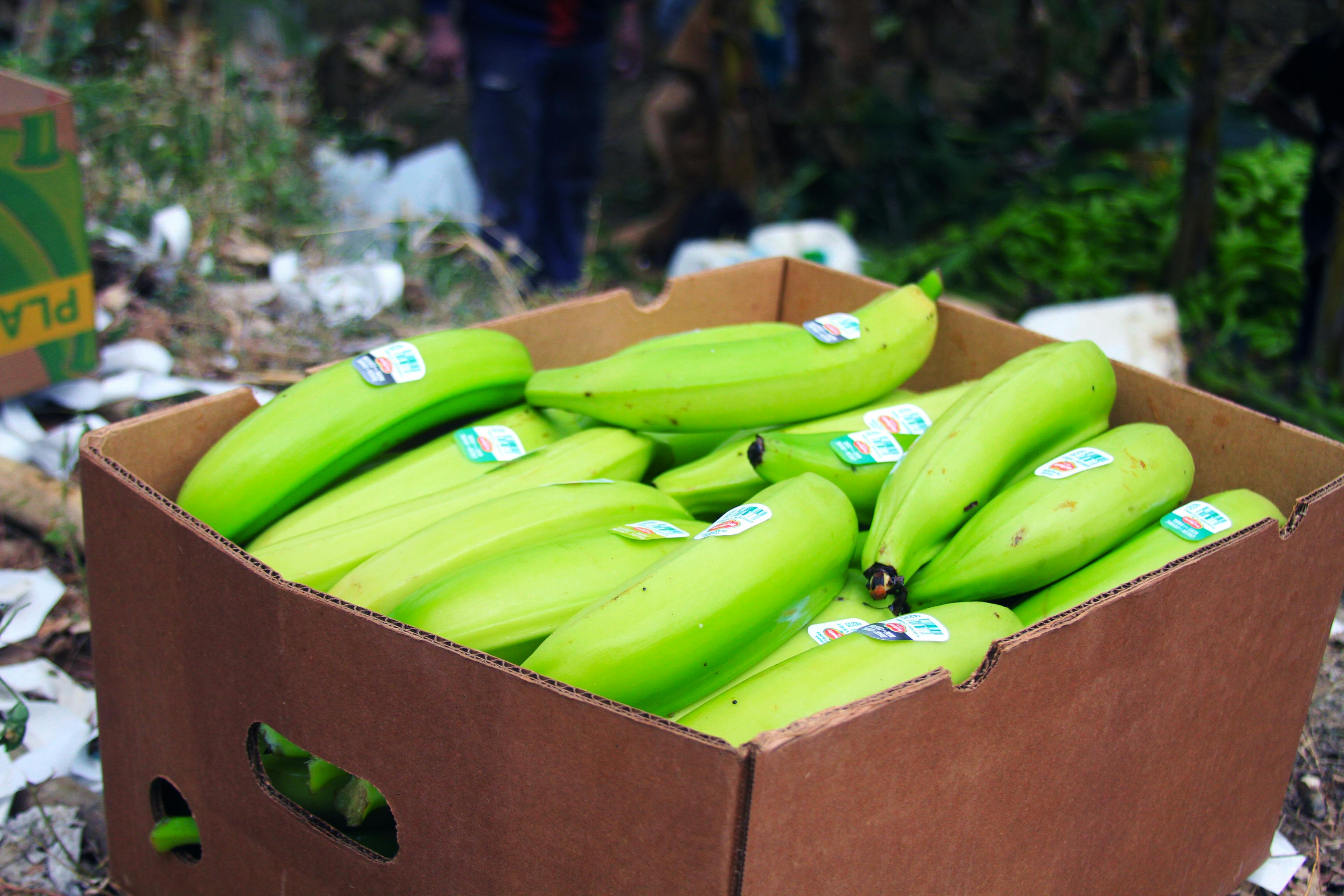
Plantain is a starchy fruit with 32g net carbs per 100g. Extremely high in carbs; completely incompatible with ketogenic diet and will disrupt ketosis.
Plantain is a whole plant fruit, entirely plant-based and unprocessed. No animal-derived ingredients.
Plantains are starchy tubers similar to potatoes. While they contain more resistant starch when cooked, they are higher in carbohydrates than typical paleo vegetables. Some paleo practitioners include them as a safe starch; others restrict them.
Strict paleo followers (Cordain school) exclude plantains as starchy tubers. However, Mark Sisson and modern paleo practitioners often include plantains as acceptable safe starches, particularly when cooked and cooled to increase resistant starch content.
Starchy fruit/vegetable with carbohydrates. Not Mediterranean-origin. When boiled or baked acceptable, but often fried in traditional preparations. Fits whole grains/starches category but not emphasized.
Some Mediterranean diet practitioners accept plantains as whole starch similar to potatoes. However, traditional Mediterranean emphasizes whole grains over starchy fruits.
Plantain is a plant-derived starchy fruit containing plant compounds, fiber, and high carbohydrates. Explicitly excluded from carnivore diet which permits only animal products. No animal origin.
Plantain is a whole, unprocessed starchy fruit with no excluded ingredients. Fully compliant with Whole30.
Plantain is a starchy fruit with moderate resistant starch when unripe, but becomes higher in sugars when ripe. Monash University has limited specific testing. Unripe plantain (green) is likely lower-FODMAP than ripe plantain. Safe serving appears to be approximately 1 medium fruit (100g) when unripe.
Monash University has not extensively tested plantain. Clinical FODMAP practitioners suggest unripe plantain is likely low-FODMAP due to resistant starch, but ripe plantain should be limited due to sugar content. Ripeness stage significantly affects FODMAP classification.
Starchy vegetable/fruit with moderate potassium but higher carbohydrate and calorie content. Preparation method significantly impacts DASH suitability; fried plantains are problematic.
NIH DASH guidelines classify plantains as acceptable starches; however, updated clinical interpretation emphasizes that portion control and preparation (boiled vs. fried) critically affect sodium and fat content.
Starchy, high-glycemic carbohydrate (~32g net carbs per 100g raw). Similar to white potatoes which Sears explicitly avoids. Impossible to balance within Zone macronutrient targets without excessive portioning.
Starchy vegetable with moderate nutrients but high carbohydrate content and glycemic impact. Contains some resistant starch when cooked, but preparation method (fried vs. boiled) significantly affects inflammatory profile.
Starchy carbohydrate with 116 cal per 100g (cooked), 2.3g fiber, but minimal protein (1.3g per 100g). Often prepared fried, which is problematic for GLP-1 patients. Even boiled, it's calorie-dense relative to nutrient density and doesn't support protein goals.
Some RDs accept plantain in moderation as a whole-grain carbohydrate alternative, while others recommend avoiding it due to high starch content, low protein, and traditional preparation methods (fried) that worsen GLP-1 side effects.
Nutritional profile
Six traits that cut across every diet.
Fiber & Plants
How much whole-plant food and fiber it delivers.
Healthy Fats
The quality of its fats (unsaturated, omega-3).
Whole / Unprocessed
How close it is to its natural, unprocessed form.
Gut Gentle
How easy it is on digestion (low FODMAP, few irritants).
Low Glycemic
How little it spikes your blood sugar.
Protein Density
How much protein it packs per calorie.
Controversy Index
Score range: 1–9/10. Higher controversy = more disagreement between diets.
Diet-Specific Tips for Plantain
 Vegan — 9/10
- Whole plant food
- Unprocessed
- Fruit
- No animal products
 Paleo — 6/10
- Starchy tuber
- Higher carbohydrate content
- Contains resistant starch when cooked
- Debated within paleo community
 Mediterranean — 5/10
- high starch content
- preparation method critical
- non-Mediterranean origin
- portion control important
 Whole30 — 9/10
- Fruit
- Unprocessed
- Starchy vegetable
 Low-FODMAP — 6/10
- Ripeness stage critically affects FODMAP content
- Unripe plantain higher in resistant starch
- Ripe plantain higher in fermentable sugars
- Limited Monash testing data
 DASH — 5/10
- High carbohydrates
- Moderate potassium
- Preparation-dependent
- Calorie density
 Anti-Inflammatory — 5/10
- High carbohydrate content
- Moderate glycemic index
- Some resistant starch when cooked
- Preparation method critical
- Potassium source
 GLP-1 Friendly — 4/10
- low protein
- starchy carbohydrate
- often fried
- calorie-dense relative to nutrition
- not aligned with protein priority