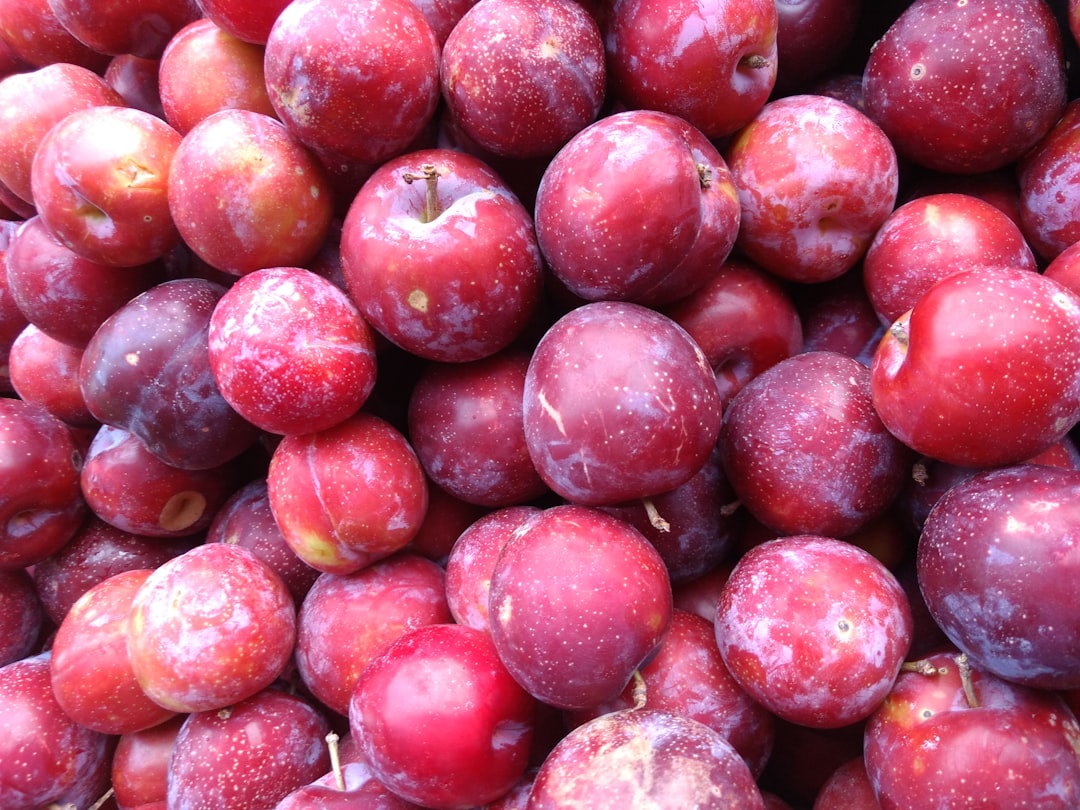
The diets react (see scores below)
Diet Ratings
One medium plum contains approximately 7g net carbs. While smaller than melons, plums are still too carb-dense for regular keto consumption and provide minimal nutritional advantage over low-carb vegetables.
Whole plant fruit with no animal products or derivatives. Nutrient-rich and unprocessed.
Whole stone fruit available to Paleolithic humans. Contains fiber, vitamin C, and antioxidants. Unprocessed natural food.
Stone fruit with antioxidants, fiber, and vitamins. Fits Mediterranean daily fruit consumption pattern. Whole fruit with no processing or added ingredients.
Plums are stone fruits composed of plant carbohydrates and sugars. Excluded from carnivore diet as plant foods.
Whole fruit with no added ingredients. Naturally compliant as a fruit.
Monash University rates plums as low-FODMAP only at restricted portions (approximately 1 plum or 66g). Higher polyol content (sorbitol) limits serving size.
Good DASH fruit. Low sodium, moderate potassium, contains fiber and polyphenols. Supports digestive and cardiovascular health.
Moderate glycemic index; one medium plum (~7g carbs) is manageable. Lower sugar than cantaloupe but higher than berries. Acceptable as part of 2 fruit servings/day but not preferred over lower-glycemic options.
Contains anthocyanins and phenolic compounds with antioxidant and anti-inflammatory properties. Moderate fiber, natural sugars balanced by polyphenols.
Moderate fiber (1.5g per medium plum) and water content support digestion and hydration. Low protein (0.7g). Natural sugars (7g per plum) are moderate. Easy to digest and portion-friendly, but nutrient density is low relative to caloric needs on GLP-1. Best as a small snack, not a meal component.
Nutritional profile
Six traits that cut across every diet.
Fiber & Plants
How much whole-plant food and fiber it delivers.
Healthy Fats
The quality of its fats (unsaturated, omega-3).
Whole / Unprocessed
How close it is to its natural, unprocessed form.
Gut Gentle
How easy it is on digestion (low FODMAP, few irritants).
Low Glycemic
How little it spikes your blood sugar.
Protein Density
How much protein it packs per calorie.
Controversy Index
Score range: 1–9/10. Higher controversy = more disagreement between diets.
Diet-Specific Tips for Plum
 Vegan — 9/10
- 100% plant-based
- Whole food
- No processing required
 Paleo — 8/10
- Whole fruit
- Fiber-rich
- Antioxidants
- Natural sugars
 Mediterranean — 8/10
- whole fruit
- antioxidant-rich
- fiber content
- minimal processing
 Whole30 — 9/10
- Whole fruit
- No added sugar
- Natural carbohydrates
 Low-FODMAP — 5/10
- High sorbitol content
- Portion-dependent FODMAP status
- Monash limit: 1 plum (66g)
 DASH — 8/10
- Low sodium
- Moderate potassium
- Good fiber content
- Antioxidant polyphenols
- Low glycemic impact
 Zone — 6/10
- moderate glycemic load
- reasonable portion size
- acceptable within fruit limit
- some fiber content
 Anti-Inflammatory — 7/10
- Anthocyanins
- Phenolic compounds
- Dietary fiber
- Moderate natural sugars
 GLP-1 Friendly — 5/10
- moderate fiber
- low protein
- moderate natural sugar
- easy to digest
- portion-friendly