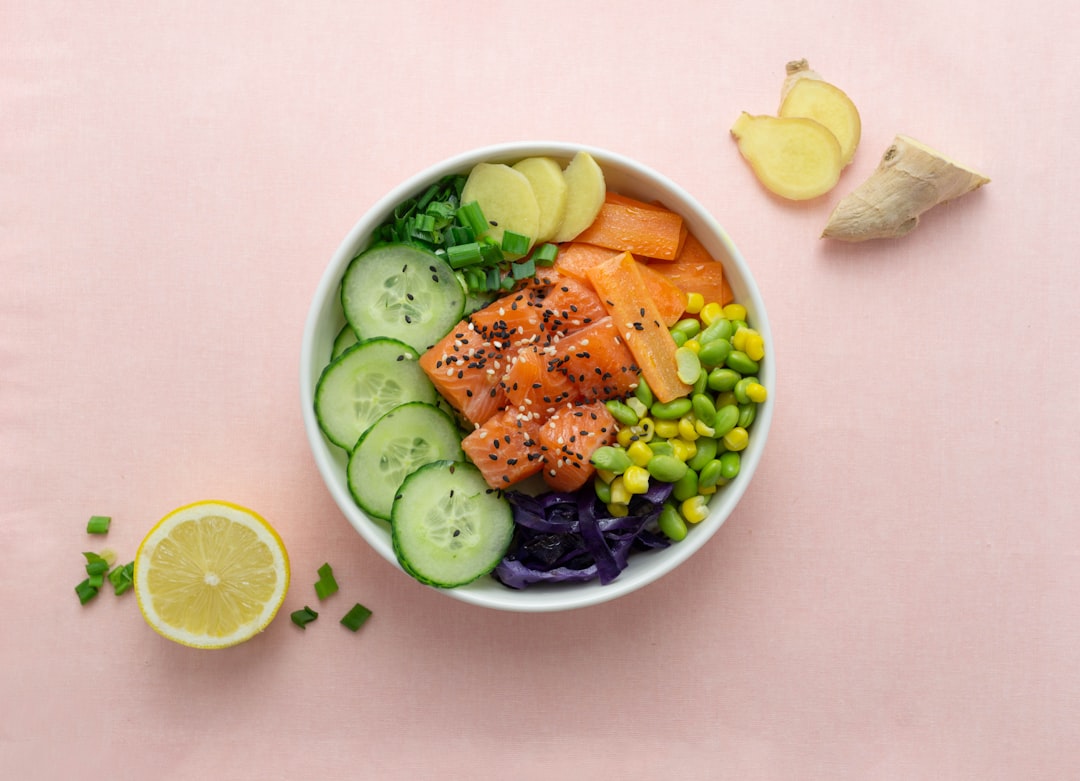
How the diets react
Diet Ratings
Raw fish and toppings are keto-ideal, but rice base contains 35-45g net carbs. Viable if rice is replaced with cauliflower rice or greens. Standard version is incompatible.
Strict keto practitioners avoid poke bowls entirely due to rice; flexible keto users request cauliflower rice substitution and consume modified versions.
Poke bowls are centered on raw fish (typically ahi tuna or salmon), making them explicitly non-vegan. Fish is an animal product regardless of preparation method.
Raw fish and vegetables are paleo-compliant. However, typically served over white rice (grain) and sauce may contain soy (legume) or added sugars. Acceptable if rice is replaced and sauce is verified.
Some paleo practitioners accept white rice as a safe starch (Perfect Health Diet approach), making poke bowl acceptable with soy-free sauce. Strict paleo excludes both rice and soy.
Raw fish (excellent omega-3 source), vegetables, whole grains (if brown rice used). Minimal processing, nutrient-dense. Aligns with Mediterranean emphasis on fish 2-3 times weekly and whole foods. Soy sauce acceptable in moderation.
Raw fish (poke) is carnivore-approved and excellent. However, traditional poke bowls are served over rice (plant grain) with soy sauce, sesame seeds, and vegetables. The fish component is ideal, but the bowl structure includes significant plant components.
Strict carnivores would avoid the rice and vegetable components entirely. However, some practitioners might consume only the poke portion and discard the rice and vegetables, making it conditionally acceptable if modified.
Traditional poke bowl contains rice (excluded grain). If made with cauliflower rice or served over vegetables, the raw fish, vegetables, and compliant sauce are acceptable. However, the bowl format may recreate a grain-based meal.
Official Whole30 excludes rice. If substituted with compliant vegetables, the dish is technically acceptable. Community debate exists on whether recreating rice-bowl formats violates the spirit.
Raw fish and rice are low-FODMAP. Main concerns: soy sauce may contain wheat (fructans), sesame oil is low-FODMAP, but toppings often include garlic, onion, or high-FODMAP vegetables. Depends on specific preparation and sauce.
Monash rates fish and rice as low-FODMAP, but soy sauce formulation and vegetable toppings vary. Practitioners recommend checking sauce ingredients and avoiding garlic/onion toppings; some poke bowls can be modified to be low-FODMAP.
Raw fish (salmon/tuna) provides excellent omega-3 fatty acids, protein, and minimal sodium. Served with vegetables and whole grains (brown rice). Soy sauce-based marinade adds sodium but typically in moderate amounts. Aligns with DASH emphasis on fish, vegetables, and whole grains.
Raw fish (excellent lean protein, omega-3 rich), vegetables (low glycemic), soy-based sauce (minimal calories). If served over brown rice or cauliflower rice with controlled portions, achieves Zone balance easily. Anti-inflammatory profile strong.
Raw fatty fish (salmon, tuna) provides excellent omega-3s, vegetables and seaweed offer antioxidants and minerals, sesame oil and seeds add anti-inflammatory fats. Minimal processing, nutrient-dense. Excellent anti-inflammatory meal.
Raw fish (salmon, tuna) provides excellent protein (25-30g), omega-3 fatty acids, and is easy to digest. Typically served with rice (refined carb, but often in moderate portion), vegetables, and soy-based sauce (high sodium but minimal fat). Nutrient-dense per calorie, small portion satisfying, minimal preparation required. Soy sauce is high in sodium but not problematic for GLP-1 patients. One of the most GLP-1-friendly prepared meals available.
Controversy Index
Score range: 1–8/10. Higher controversy = more disagreement between diets.