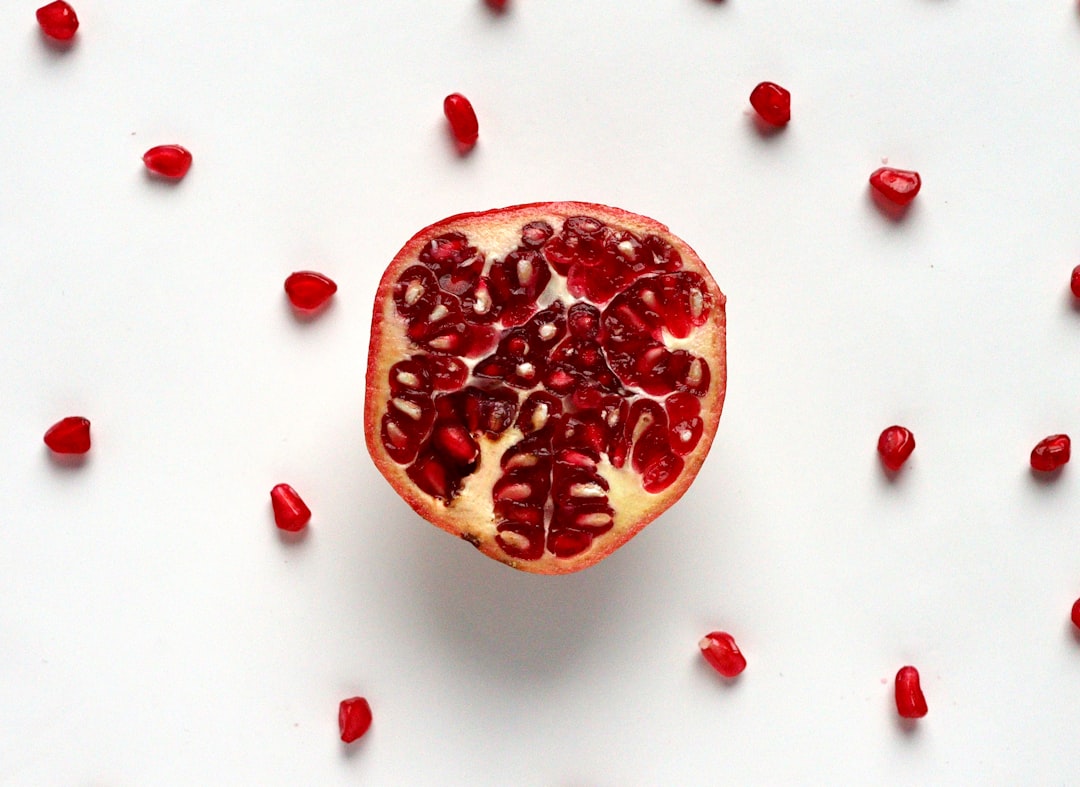
The diets react (see scores below)
Diet Ratings
1 cup arils (~174g) contains ~32g net carbs and ~24g sugar. Very high carb and sugar density; incompatible with ketosis. Zero tolerance.
Whole plant food, naturally vegan, nutrient-dense with powerful antioxidants. No animal-derived ingredients or processing.
Unprocessed fruit with exceptional paleo credentials. Rich in antioxidants, polyphenols, and vitamin C. Moderate natural sugar content acceptable. Whole fruit form preferred over juice.
Pomegranates are nutrient-dense fruits with exceptional polyphenol and antioxidant content. They are traditional to Mediterranean regions and strongly encouraged for their health benefits.
Plant-derived fruit with high sugar and carbohydrate content. Excluded from carnivore diet as a plant food.
Whole fruit with no added ingredients. Explicitly compliant as a natural fruit allowed on Whole30.
Monash University testing on pomegranate is limited. Available data suggests it may be borderline or high-FODMAP due to fructose content. Portion control is recommended, and individual tolerance varies.
Monash University has limited specific testing for pomegranate. Clinical practitioners suggest caution with portions (1/2 cup seeds max) due to potential excess fructose, though some individuals may tolerate small amounts.
Excellent DASH fruit. Rich in antioxidants (punicalagins, anthocyanins), good potassium source, high fiber, low sodium. Strong cardiovascular benefits.
High polyphenol and antioxidant content supports anti-inflammatory goals, but moderate-to-high natural sugar density. Dr. Sears acknowledges polyphenol benefits but recommends limited portions.
Some Zone practitioners emphasize pomegranate's exceptional polyphenol profile and suggest modest portions (1/4 cup arils) are acceptable. Dr. Sears' primary concern is sugar density relative to typical fruit servings.
Exceptionally high in punicalagins and other polyphenols with potent anti-inflammatory and antioxidant effects. Extensively researched for reducing inflammatory markers and supporting cardiovascular health.
Good fiber (4g per 100g), moderate natural sugar (14g per 100g), high water content (78%), antioxidant-rich. Acceptable but requires portion control due to sugar content and seeds may cause digestive discomfort in some GLP-1 patients.
Nutritional profile
Six traits that cut across every diet.
Fiber & Plants
How much whole-plant food and fiber it delivers.
Healthy Fats
The quality of its fats (unsaturated, omega-3).
Whole / Unprocessed
How close it is to its natural, unprocessed form.
Gut Gentle
How easy it is on digestion (low FODMAP, few irritants).
Low Glycemic
How little it spikes your blood sugar.
Protein Density
How much protein it packs per calorie.
Controversy Index
Score range: 1–10/10. Higher controversy = more disagreement between diets.
Diet-Specific Tips for Pomegranate
 Vegan — 9/10
- whole food
- no processing
- high nutritional value
- no animal products
 Paleo — 9/10
- Unprocessed whole food
- Moderate natural sugar
- Exceptional antioxidant profile
- Available to some hunter-gatherer populations
 Mediterranean — 9/10
- Exceptional polyphenol content
- High antioxidant properties
- Traditional Mediterranean fruit
- Whole food form
 Whole30 — 10/10
- Whole fruit
- No added sugar
- No processing
 Low-FODMAP — 4/10
- Limited Monash testing data
- Potential excess fructose content
- Individual tolerance varies
 DASH — 9/10
- Potent antioxidants
- Good potassium content
- High fiber
- Low sodium
- Blood pressure support
 Zone — 5/10
- Exceptional polyphenol content
- High antioxidant profile
- Moderate-high sugar density
- Anti-inflammatory benefits
- Portion control essential
 Anti-Inflammatory — 9/10
- Punicalagins
- High polyphenol content
- Powerful antioxidants
- Cardiovascular support
 GLP-1 Friendly — 6/10
- good fiber
- moderate natural sugars
- high water content
- antioxidants
- portion-dependent