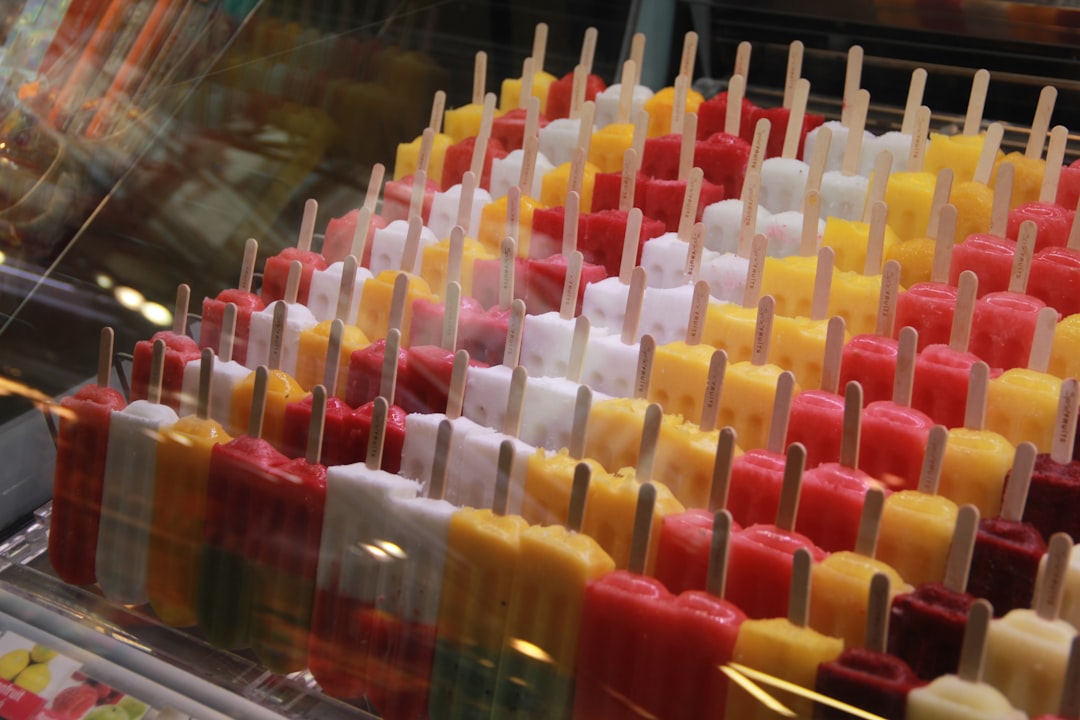
The diets react (see scores below)
Diet Ratings
Fruit popsicles contain 15-20g net carbs per serving from fruit juice and added sugars. Designed as a sugar delivery mechanism; completely incompatible with ketosis.
Fruit-based frozen treat with water, sugar, and fruit juice. No animal products. Minimally processed whole-food option. Some brands may add artificial colors but base product is vegan.
Frozen fruit product, but typically contains added sugars, artificial colors, and additives. If made from 100% fruit juice with no added sugars or additives, would be acceptable. Most commercial versions violate paleo through added sugars and processing.
Some paleo practitioners accept homemade fruit popsicles made from whole fruit juice or puree without added sugars as occasional treats. However, commercial versions almost universally contain refined sugars and additives.
Frozen fruit product, but often contains added sugars and lacks fiber of whole fruit. Better than candy but inferior to fresh or freeze-dried fruit. Acceptable occasionally but whole fruit preferred for daily consumption.
Some Mediterranean practitioners accept fruit popsicles made with minimal added sugar as convenient fruit option, particularly in hot Mediterranean climates.
Made from fruit (plant-derived), sugar, and additives. Plant-derived fruit and high sugar content explicitly violate carnivore diet.
A popsicle made from 100% fruit juice is technically compliant (fruit juice is allowed per 2024 Whole30 rules). However, it recreates a dessert/treat format that tests the program's spirit of avoiding junk food recreation.
Official Whole30 guidelines state that 100% fruit juice is compliant, but the program discourages recreating desserts and treats. A homemade fruit juice popsicle is technically allowed but may violate the spirit of avoiding junk food recreation.
Fruit popsicles are made with fruit juice concentrates, high-fructose corn syrup, or excess fructose. These create a high-FODMAP product. Even if made with low-FODMAP fruits, the concentration of sugars and added sweeteners exceeds low-FODMAP limits.
Frozen fruit-based treat with added sugars (typically 8-12g per popsicle). Minimal fiber compared to whole fruit. Sodium content usually low. Better than candy but inferior to whole fruit. Acceptable occasionally as frozen fruit alternative.
Typically 15-20g sugar with minimal fiber and no protein/fat. High-glycemic carbs in liquid form cause rapid insulin spike. No nutritional advantage over whole fruit.
High added sugar content (15-20g per serving) with minimal actual fruit. High glycemic load promotes inflammation. Lacks fiber from whole fruit. Often contains artificial colors and flavors. No antioxidants or polyphenols in meaningful amounts.
High sugar (15-20g per serving), no protein, minimal fiber, empty calories. Frozen format may worsen reflux or nausea. No nutritional density. Better alternatives exist for hydration (water, herbal tea, electrolyte drinks).
Nutritional profile
Six traits that cut across every diet.
Fiber & Plants
How much whole-plant food and fiber it delivers.
Healthy Fats
The quality of its fats (unsaturated, omega-3).
Whole / Unprocessed
How close it is to its natural, unprocessed form.
Gut Gentle
How easy it is on digestion (low FODMAP, few irritants).
Low Glycemic
How little it spikes your blood sugar.
Protein Density
How much protein it packs per calorie.
Controversy Index
Score range: 1–8/10. Higher controversy = more disagreement between diets.
Diet-Specific Tips for Popsicle (fruit)
 Vegan — 8/10
- Plant-based ingredients
- Minimal processing
- No animal products
- May contain artificial colors
 Paleo — 4/10
- fruit base
- typically contains added sugar
- artificial colors and additives common
- processing method critical
 Mediterranean — 5/10
- fruit-based
- often contains added sugar
- lacks fiber of whole fruit
- processed form
 Whole30 — 6/10
- 100% fruit juice compliant
- recreates dessert format
- spirit violation
 DASH — 5/10
- Added sugars: 8-12g per serving
- Minimal fiber
- Low sodium
- Inferior to whole fruit