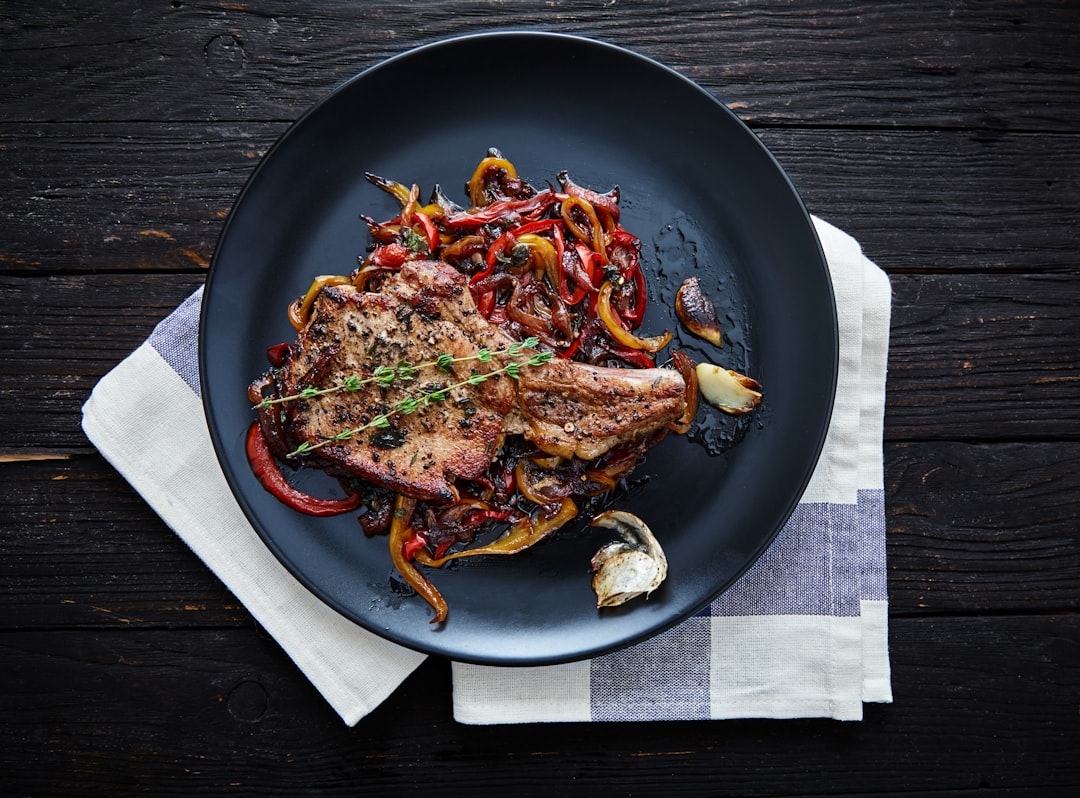
The diets react (see scores below)
Diet Ratings
Pork chops are zero-carb with good fat content (varies by cut: 10-20g fat per 100g) and solid protein (~25g per 100g). Excellent keto-compatible protein source.
Pork chop is pork meat, explicitly excluded from all vegan diets. It is an animal product with no plant-based alternative consideration.
Pork chops are unprocessed pork meat available to hunter-gatherers. They provide protein, fat, and essential nutrients. Pasture-raised pork is preferred to minimize omega-6 content.
Pork chops vary significantly in fat content depending on cut and preparation. Lean pork cuts can fit Mediterranean diets occasionally, but pork is not a traditional Mediterranean staple. When consumed, lean cuts prepared with minimal added fat are preferable.
Some Mediterranean regions, particularly Spain and parts of Italy, have traditional pork dishes. However, modern Mediterranean diet guidelines emphasize fish and poultry over pork as primary proteins.
Pork chops are animal-derived meat that is widely accepted on carnivore diets. They provide good fat content, especially when selecting fattier cuts. Universally approved across carnivore protocols.
Pork chops are unprocessed, whole meat with no added ingredients. Meat is a core Whole30 compliant food group.
Pork chop is a protein with no FODMAPs. Monash University confirms all plain pork as low-FODMAP at any reasonable serving size.
Lean pork chops contain moderate saturated fat (3-5g per 3oz). While better than fatty cuts, DASH prioritizes poultry and fish. Acceptable occasionally if trimmed of visible fat.
Pork chops vary widely in fat content (10-20% depending on cut and trimming). Lean, trimmed pork chops can work with careful portioning. A 3.5 oz lean chop provides ~25g protein with ~8-10g fat. Requires selecting lean cuts and trimming visible fat.
Pork chops contain moderate saturated fat depending on cut and trimming. Inflammatory potential intermediate between lean poultry and fatty beef. Acceptable occasionally in moderation, particularly if trimmed of visible fat. Lean cuts preferable to fatty cuts.
Pork chops vary significantly by cut and preparation. Lean cuts (loin) provide good protein (26g per 3.5 oz) with moderate fat (9g per 3.5 oz), making them acceptable. Fattier cuts (shoulder, belly) are high in fat and should be avoided. Grilled or baked lean pork chops can work, but fried or heavily marbled versions worsen GLP-1 side effects.
Some GLP-1 RDs recommend pork loin chops as a viable lean protein alternative to chicken, while others prefer to reserve pork for occasional use due to higher fat variability compared to poultry. Clinical guidance is less settled on pork than on chicken breast.
Nutritional profile
Six traits that cut across every diet.
Fiber & Plants
How much whole-plant food and fiber it delivers.
Healthy Fats
The quality of its fats (unsaturated, omega-3).
Whole / Unprocessed
How close it is to its natural, unprocessed form.
Gut Gentle
How easy it is on digestion (low FODMAP, few irritants).
Low Glycemic
How little it spikes your blood sugar.
Protein Density
How much protein it packs per calorie.
Controversy Index
Score range: 1–10/10. Higher controversy = more disagreement between diets.
Diet-Specific Tips for Pork chop
 Keto — 9/10
- Zero net carbs
- 10-20g fat per 100g depending on cut
- 25g protein per 100g
- Affordable and versatile
 Paleo — 9/10
- Unprocessed meat
- High protein
- Good fat content
- Nutrient-dense
- Pasture-raised preferred
 Mediterranean — 5/10
- Variable fat content by cut
- Not traditional Mediterranean protein
- Preparation method matters
- Occasional consumption acceptable
 Carnivore — 8/10
- animal-derived meat
- good fat content
- minimally processed
- widely accepted
 Whole30 — 10/10
- whole meat
- unprocessed
- no additives
- core compliant food
 Low-FODMAP — 9/10
- Pure protein and fat, no carbohydrates
- No fermentable components
- Safe at any portion
 DASH — 4/10
- Moderate saturated fat
- Lean cuts preferable
- Trimming fat reduces saturated fat
- Preparation method important
 Zone — 5/10
- Variable fat content (10-20%)
- Lean cuts preferable
- Requires trimming visible fat
- Portion control essential
 Anti-Inflammatory — 5/10
- moderate saturated fat
- moderate omega-6
- red meat
- cut-dependent
- trimming important
 GLP-1 Friendly — 5/10
- Protein content varies by cut
- Fat content highly variable
- Lean cuts (loin) acceptable
- Fattier cuts problematic
- Preparation method critical
Editor's Picks
As an Amazon Associate, FoodRef.ai earns from qualifying purchases. This does not affect our ratings.