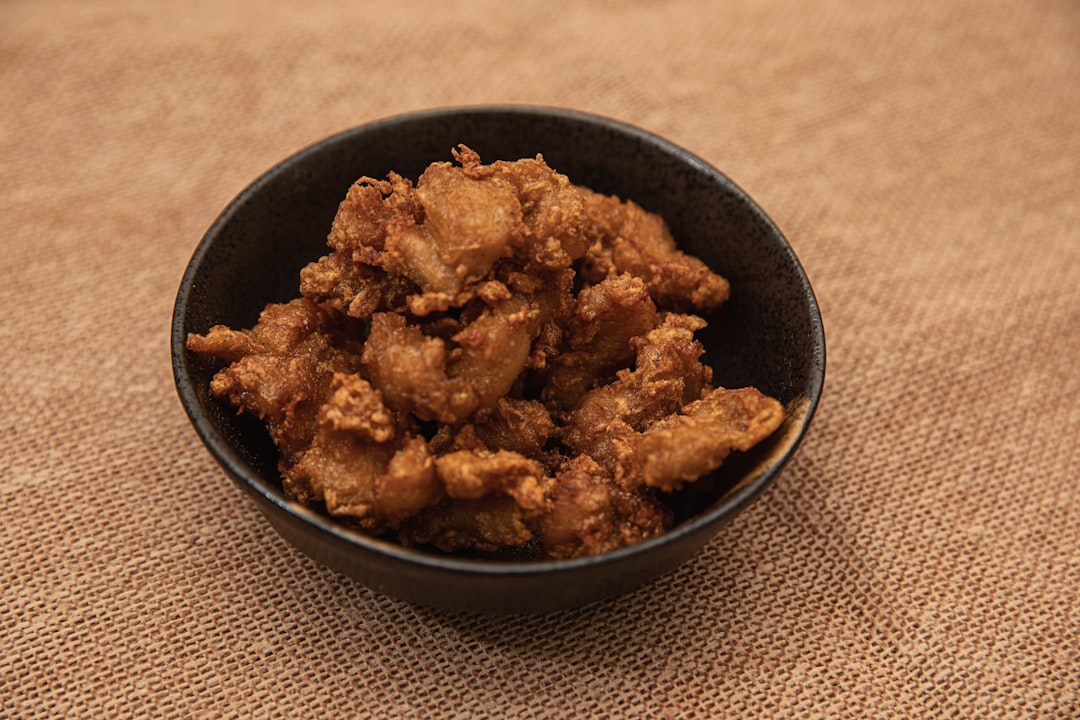
The diets react (see scores below)
Diet Ratings
Pork cracklings are nearly pure fat and protein with <1g net carbs per ounce. Ideal keto snack: high fat, zero carbs, whole food.
Pork is animal meat. Contains no plant-based components. Completely incompatible with vegan diet.
Rendered pork skin with no additives is a whole food product consisting of animal fat and protein. Paleo-approved meat product. Minimal processing (rendering/frying in own fat). Nutrient-dense and compliant.
High in saturated fat and sodium, processed meat product. Pork consumption should be limited in Mediterranean diet, and cracklings form is particularly high in unhealthy fats. Contradicts emphasis on plant-based foods and minimal processed meats.
Pure pork skin fried in its own fat. Animal-derived, minimal processing, high fat content. Excellent carnivore food if no additives or plant oils used.
Pork cracklings are rendered pork skin—a whole, unprocessed animal product with no excluded ingredients. Compliant as a protein-rich snack.
Pork cracklings are pure pork skin, fried. They contain no carbohydrates or FODMAP ingredients. Plain pork cracklings are low-FODMAP at any reasonable serving. Verify no high-FODMAP seasonings (garlic, onion powder).
Extremely high in saturated fat (8-10g per ounce), sodium (300-500mg per ounce), and cholesterol. Processed pork product with no fiber, potassium, or DASH-aligned nutrients. Directly contradicts DASH limits on saturated fat and sodium.
Pure fat and protein with zero carbs. Useful as fat/protein blocks but lacks carbohydrate component. Must be paired with low-glycemic carbs to achieve 40/30/30 ratio. High in saturated fat.
Fried pork skin is extremely high in saturated fat and cholesterol. Often contains inflammatory seed oils. No fiber, antioxidants, or polyphenols. Processed format with potential trans fats from frying. Promotes inflammation through saturated fat and omega-6 content.
Extremely high fat (10-15g per ounce), fried, minimal fiber, moderate protein (6-8g per ounce) but fat content far outweighs protein benefit. Triggers nausea, bloating, and reflux in GLP-1 patients. Saturated fat-heavy.
Nutritional profile
Six traits that cut across every diet.
Fiber & Plants
How much whole-plant food and fiber it delivers.
Healthy Fats
The quality of its fats (unsaturated, omega-3).
Whole / Unprocessed
How close it is to its natural, unprocessed form.
Gut Gentle
How easy it is on digestion (low FODMAP, few irritants).
Low Glycemic
How little it spikes your blood sugar.
Protein Density
How much protein it packs per calorie.
Controversy Index
Score range: 1–9/10. Higher controversy = more disagreement between diets.
Diet-Specific Tips for Pork cracklings
 Keto — 9/10
- Zero net carbs
- High fat content (70%+ calories)
- Whole food, minimally processed
- Excellent satiety
 Paleo — 9/10
- whole animal product
- no additives or seed oils
- rendered in own fat
- high protein and fat
 Carnivore — 8/10
- Pure animal product
- High fat content
- Minimal processing
- Must verify no plant oil or additives
 Whole30 — 8/10
- whole animal product
- no excluded ingredients
- unprocessed
 Low-FODMAP — 9/10
- Pure protein and fat source
- No carbohydrates or FODMAPs
- Seasoning must be verified
- Suitable for elimination phase
 Zone — 5/10
- no carbohydrates
- high saturated fat
- requires carb pairing
- processed pork product