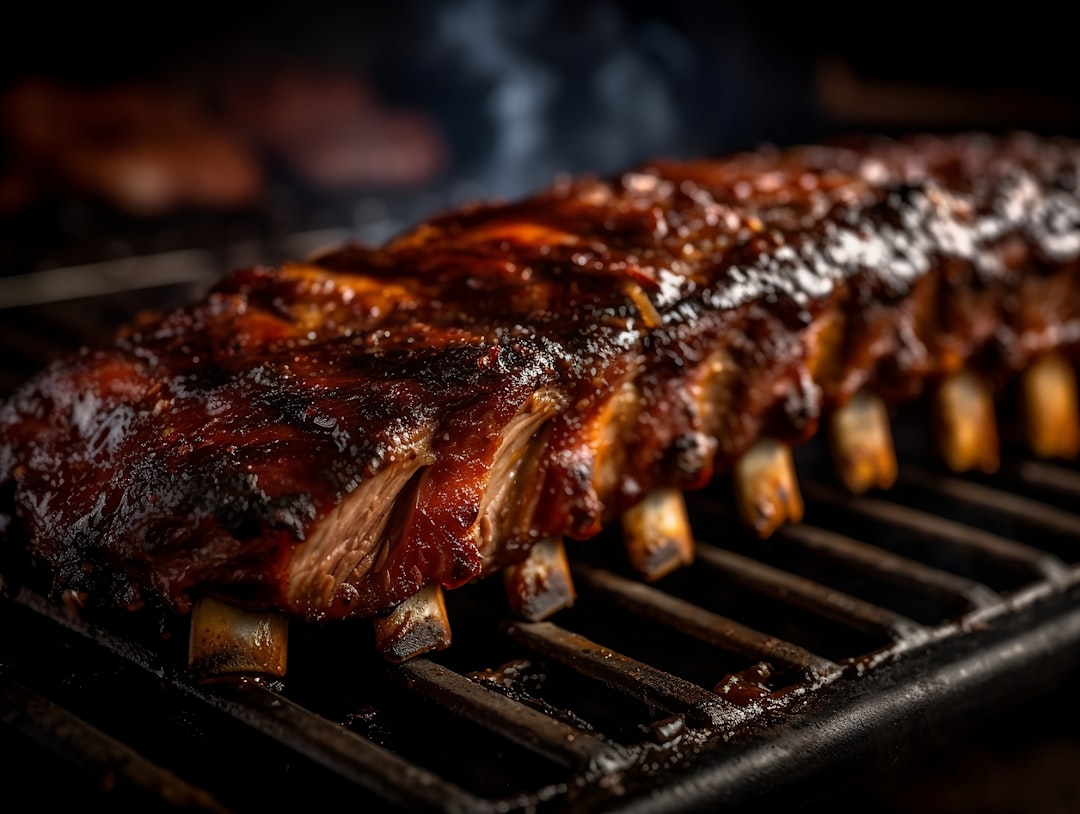
The diets react (see scores below)
Diet Ratings
Pork ribs are an excellent keto food with zero carbohydrates and high fat content (especially with skin/fat intact). They provide ideal macronutrient ratios and are a whole, unprocessed food.
Pork ribs are animal flesh. Explicitly excluded from vegan diet. Non-negotiable animal product.
Pork ribs are unprocessed meat from a paleo-approved animal source. They provide protein, fat, and nutrients available to hunter-gatherers. Ideally from pasture-raised pigs.
Pork ribs are high in saturated fat and calories. While unprocessed, they exceed Mediterranean recommendations for red/processed meat frequency. Acceptable only occasionally (few times monthly) in small portions.
Whole cut of pork meat with high fat content. Unprocessed, animal-derived, and provides complete nutrition. Fatty cuts are preferred in carnivore diet. No additives or plant-based ingredients.
Pork ribs are unprocessed meat, which is explicitly allowed on Whole30. They are a whole food with no excluded ingredients when prepared without added sugar or non-compliant sauces.
Plain pork ribs are low-FODMAP. Meat is protein-based with no fermentable carbohydrates. Avoid marinades or sauces containing garlic, onion, honey, or high-fructose ingredients.
High in saturated fat and cholesterol. DASH recommends limiting red/processed meats. Typically prepared with high-sodium sauces. Lean poultry preferred.
Pork ribs are protein-rich (~25g per 100g) but high in saturated fat (~20g per 100g). Usable if trimmed of visible fat and portioned carefully. One 3-oz serving = 2.5 protein blocks + 2 fat blocks (mostly saturated). Zone allows but leans toward leaner proteins; ribs are acceptable occasionally if fat is minimized.
Pork ribs are high in saturated fat and omega-6 fatty acids, promoting inflammation. However, they contain some B vitamins, zinc, and selenium. Occasional consumption in small portions may be acceptable, but regular consumption is not recommended for anti-inflammatory diet.
Some paleo and ancestral diet advocates view pork ribs more favorably, emphasizing micronutrient density. Dr. Weil recommends limiting red and processed meats, with pork falling into this category due to saturated fat content.
Pork ribs are very high in saturated fat (20-30g per 3 oz cooked) and calories (300-400 per 3 oz), with moderate protein (25-30g per 3 oz). The extremely high fat content significantly worsens GLP-1 side effects (nausea, bloating, reflux, delayed gastric emptying). They are difficult to digest and provide poor nutrient density relative to calories. Lean pork cuts (tenderloin) or other lean proteins are far superior.
Nutritional profile
Six traits that cut across every diet.
Fiber & Plants
How much whole-plant food and fiber it delivers.
Healthy Fats
The quality of its fats (unsaturated, omega-3).
Whole / Unprocessed
How close it is to its natural, unprocessed form.
Gut Gentle
How easy it is on digestion (low FODMAP, few irritants).
Low Glycemic
How little it spikes your blood sugar.
Protein Density
How much protein it packs per calorie.
Controversy Index
Score range: 1–9/10. Higher controversy = more disagreement between diets.
Diet-Specific Tips for Pork ribs
 Keto — 9/10
- 0g net carbs
- High fat content
- High protein
- Whole, unprocessed food
 Paleo — 9/10
- Unprocessed meat
- High protein and fat
- Nutrient-dense
- Ancestral food source
 Mediterranean — 4/10
- high saturated fat
- high calorie density
- unprocessed but fatty cut
- red meat category
- occasional use only
 Carnivore — 8/10
- whole meat cut
- high fat content
- unprocessed
- complete amino acid profile
- micronutrient-rich
 Whole30 — 9/10
- Unprocessed meat
- Explicitly allowed
- Whole food
- No excluded ingredients
 Low-FODMAP — 9/10
- Protein-based with no fermentable carbs
- Plain preparation is safe
- Avoid garlic/onion-based marinades
- Check sauce ingredients if used
 Zone — 5/10
- Good protein content (~25g per 100g)
- High saturated fat (~20g per 100g)
- Requires trimming visible fat
- Occasional use acceptable
- Lean proteins (chicken, fish) preferred
 Anti-Inflammatory — 4/10
- high saturated fat
- high omega-6
- micronutrients present
- processed preparation common
- portion control critical