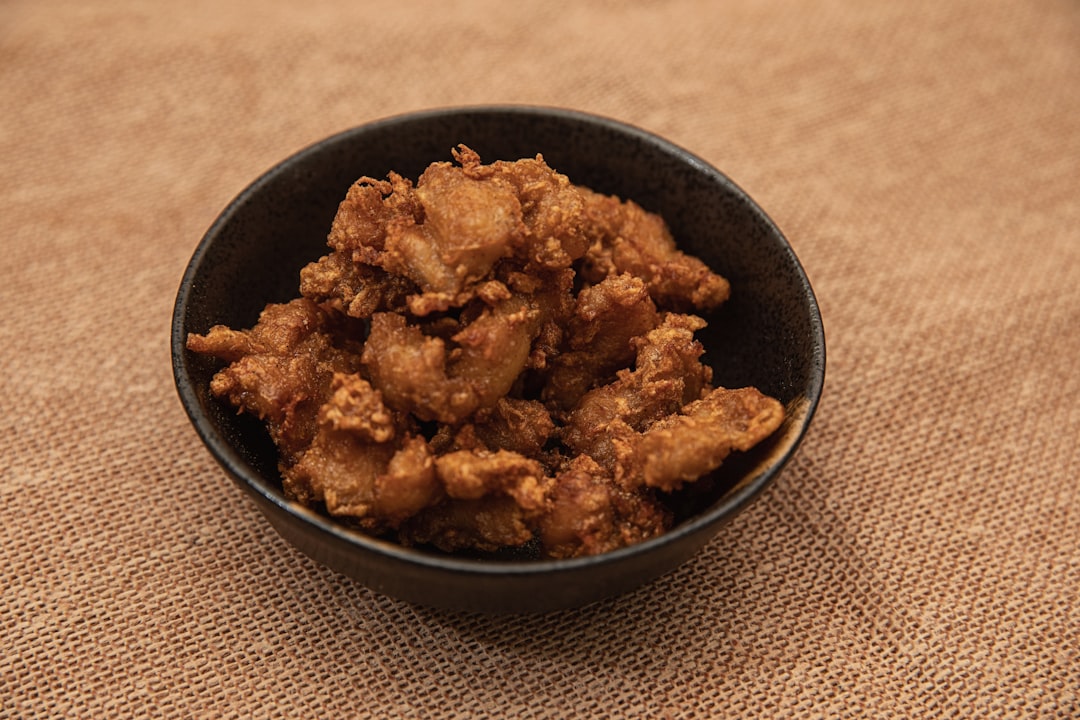
The diets react (see scores below)
Diet Ratings
Pork rinds contain 0g net carbs with high fat and protein. Excellent keto snack and can substitute for breadcrumbs. Widely endorsed in keto community.
Pork rinds are made from pork skin, a direct animal product. Non-vegan by all standards.
Pork rinds are made from pork skin (paleo-approved protein source) but typically contain added salt and are fried in seed oils. Ingredient quality varies by brand.
Some paleo practitioners accept pork rinds as a convenient protein snack if fried in animal fat rather than seed oils.
Highly processed pork product, extremely high in saturated fat and sodium. No nutritional value alignment with Mediterranean principles.
Pork skin (animal-derived fat and collagen). Minimally processed, pure animal product. Excellent source of fat and collagen. If made with salt only, this is an ideal carnivore snack. Some commercial versions contain additives, but pure pork rinds are approved.
Pork rinds are a whole food product (fried pork skin) with no excluded ingredients when unseasoned or seasoned with compliant spices. They are explicitly approved by Whole30 as a compliant snack option.
Pork rinds are fried pork skin with minimal carbohydrates. Monash University confirms pork rinds are low-FODMAP. No FODMAPs present. No portion restriction for typical consumption.
Pork rinds are extremely high in saturated fat, sodium, and cholesterol. Minimal nutritional value. Directly contradicts DASH guidelines on saturated fat and sodium.
Pork rinds are pure protein and fat with zero carbs. While they fit the macronutrient ratio, they are high in saturated fat and lack the anti-inflammatory polyphenols and fiber Zone emphasizes. Better as occasional snack than staple.
High in saturated fat and inflammatory compounds from processed pork. No fiber, polyphenols, or antioxidants. Pro-inflammatory profile with no nutritional anti-inflammatory benefit.
Pork rinds are fried, extremely high in fat (9-10g per 1oz), high in saturated fat, high in sodium (300-400mg), and contain zero fiber and minimal protein (9g per oz). Fried foods worsen GLP-1 nausea and bloating. Empty calories with no nutritional density relative to fat content.
Nutritional profile
Six traits that cut across every diet.
Fiber & Plants
How much whole-plant food and fiber it delivers.
Healthy Fats
The quality of its fats (unsaturated, omega-3).
Whole / Unprocessed
How close it is to its natural, unprocessed form.
Gut Gentle
How easy it is on digestion (low FODMAP, few irritants).
Low Glycemic
How little it spikes your blood sugar.
Protein Density
How much protein it packs per calorie.
Controversy Index
Score range: 1–9/10. Higher controversy = more disagreement between diets.
Diet-Specific Tips for Pork rinds
 Keto — 9/10
- 0g net carbs
- High fat and protein
- Whole food (pork skin)
- Versatile culinary use
 Paleo — 6/10
- Pork is paleo-approved
- Usually fried in seed oils
- High added salt content
- Processing method matters
- Brand-dependent quality
 Carnivore — 9/10
- Pork-derived (animal product)
- High fat content
- Collagen-rich
- Minimally processed
- Check for additives in commercial versions
 Whole30 — 8/10
- Whole food (pork skin)
- No excluded ingredients
- Officially approved by Whole30
 Low-FODMAP — 9/10
- Primarily fat and protein
- Negligible carbohydrate content
- No fermentable components
 Zone — 4/10
- High protein, zero carbs
- High saturated fat
- No polyphenols or fiber
- Processed meat
- Lacks nutritional density