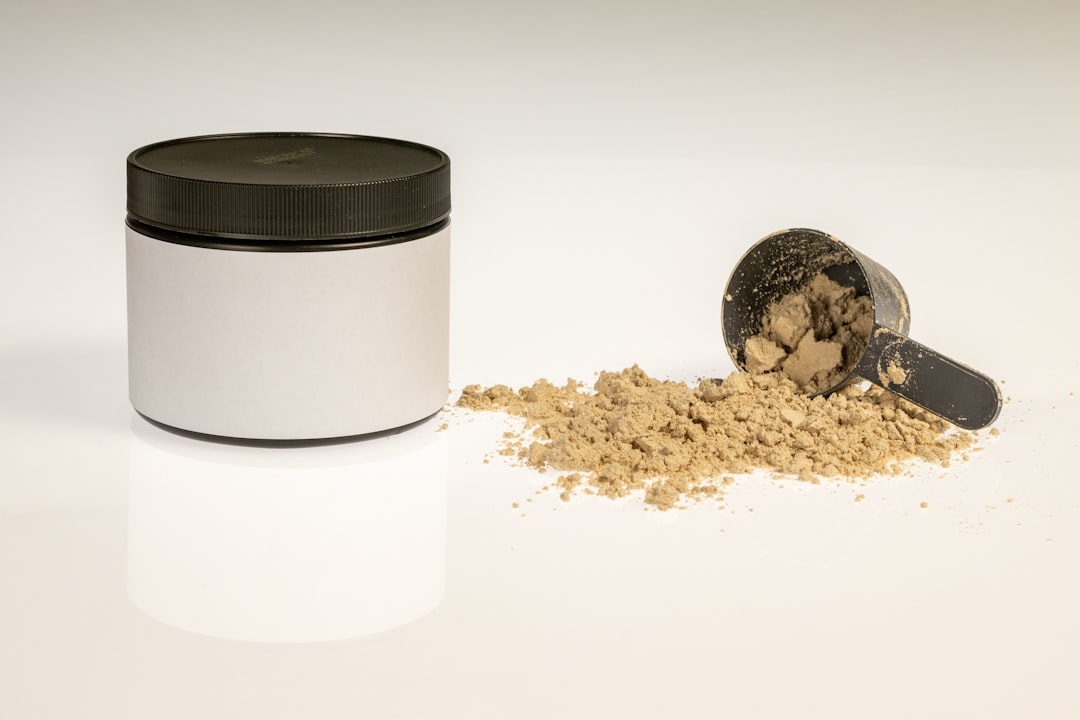
Pre-workout supplement
Rated by 11 diets
The diets react (see scores below)
Diet Ratings
Most pre-workout supplements contain 5-15g carbs from dextrose, maltodextrin, or sugar for energy and taste. Incompatible with keto carb limits. Keto-specific pre-workouts exist but are rare.
Highly processed and often contains animal-derived ingredients (beta-alanine from animal sources, gelatin capsules, or whey). Must verify vegan certification; many are not vegan.
Some vegans accept vegan-certified pre-workout supplements as necessary for athletic performance, despite processing concerns.
Pre-workout supplements are heavily processed with synthetic ingredients, artificial sweeteners, caffeine additives, and chemicals not available to hunter-gatherers. Violates core paleo principles.
Highly processed supplement with artificial ingredients, added sugars, and stimulants. Directly contradicts Mediterranean emphasis on whole, minimally processed foods. Not a food but a manufactured product.
Pre-workout supplements universally contain plant-derived ingredients (caffeine from plants, amino acids synthesized from plant sources), added sugars, artificial sweeteners, and non-carnivore additives. Incompatible with carnivore diet.
Pre-workout supplements typically contain excluded ingredients such as added sugar, artificial sweeteners, or other additives not aligned with Whole30. Even if some versions claim compliance, the category is inherently problematic.
Pre-workout supplements are highly variable and typically contain multiple problematic ingredients: artificial sweeteners (sorbitol, xylitol, sugar alcohols), high-fructose additives, caffeine in excess, and proprietary blends with unknown FODMAP content.
Without specific product analysis, pre-workout supplements cannot be safely rated. Some brands may use stevia or monk fruit (low-FODMAP sweeteners), but most use polyols. Clinical practitioners recommend avoiding category entirely during elimination phase.
Typically high in added sugars, caffeine, artificial additives, and sodium. Not a whole food. Contradicts DASH emphasis on minimally processed foods and sodium restriction.
Typically loaded with high-glycemic carbs (dextrose, maltodextrin), added sugars, and stimulants. Designed to spike insulin and blood glucose—antithetical to Zone's anti-inflammatory goal. Impossible to balance within macro targets.
Typically contains artificial additives, excessive caffeine, artificial sweeteners, and inflammatory ingredients. Contradicts anti-inflammatory principles which emphasize whole foods and natural sources.
Typically contains high caffeine (150-300mg), which worsens nausea and anxiety on GLP-1. Often contains added sugars or artificial sweeteners that may trigger GI distress. Stimulants unnecessary given GLP-1 appetite suppression. May cause palpitations or jitteriness. Dehydrating.
Nutritional profile
Six traits that cut across every diet.
Fiber & Plants
How much whole-plant food and fiber it delivers.
Healthy Fats
The quality of its fats (unsaturated, omega-3).
Whole / Unprocessed
How close it is to its natural, unprocessed form.
Gut Gentle
How easy it is on digestion (low FODMAP, few irritants).
Low Glycemic
How little it spikes your blood sugar.
Protein Density
How much protein it packs per calorie.
Controversy Index
Score range: 1–4/10. Higher controversy = more disagreement between diets.
Diet-Specific Tips for Pre-workout supplement
 Vegan — 4/10
- Often contains animal-derived ingredients
- Highly processed
- Verify vegan certification essential
- Check for gelatin capsules