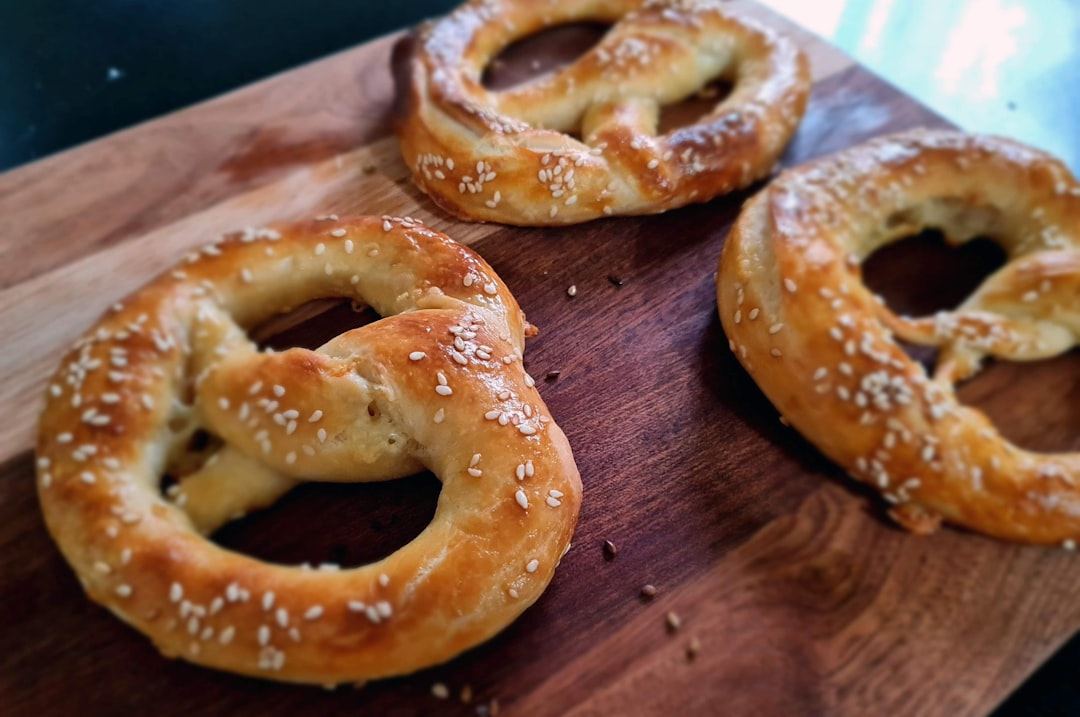
The diets react (see scores below)
Diet Ratings
Refined grain product with 20g+ net carbs per serving. Directly incompatible with ketosis and daily carb limits.
Most pretzels are plant-based, but some contain whey, milk powder, or honey. Plain salted pretzels are typically vegan, but flavored varieties require verification.
Some vegans approve most commercial pretzels as reliably vegan, noting that dairy-containing varieties are less common than in other snacks.
Pretzels are made from wheat flour (a grain), salt, and often seed oils. Grains are explicitly excluded from paleo diet due to anti-nutrients, lectins, and gluten. Pretzels are a processed grain product with added salt.
Processed refined grain snack, typically high in sodium and made with unhealthy oils. Lacks fiber and whole grain benefits. Contradicts Mediterranean principles.
Baked wheat product (grain). Plant-derived, processed, and contains gluten. Explicitly excluded from carnivore diet as a grain-based carbohydrate food.
Pretzels are made from grains (wheat) which are explicitly excluded. Additionally, they fall under the prohibited 'recreating junk food' category.
Pretzels are made from wheat flour, which contains fructans (high-FODMAP). Monash rates wheat-based products as high-FODMAP during elimination phase.
Very high sodium (400–600mg per 1oz serving). Low fiber, low protein, minimal nutrients. Refined carbohydrates. Exceeds DASH sodium limits rapidly. Better alternatives exist.
High-glycemic refined carbohydrate (white flour base). Minimal protein, minimal fat. No fiber. Causes rapid insulin spike. Incompatible with Zone's low-glycemic carb requirement.
Pretzels are refined carbohydrates with high glycemic index, minimal fiber, and often contain added sugars and salt. Many are made with inflammatory seed oils. They lack polyphenols, antioxidants, and meaningful nutrients. Cause rapid glucose spikes and inflammatory responses.
Low fat (1-2g per 1oz), but minimal protein (3g per 1oz), minimal fiber, and refined carbohydrates. 110 cal per 1oz with poor nutrient density. Better than chips (not fried, lower fat) but still empty calories. Only acceptable as an occasional, small-portion snack if truly needed for texture/crunch.
Nutritional profile
Six traits that cut across every diet.
Fiber & Plants
How much whole-plant food and fiber it delivers.
Healthy Fats
The quality of its fats (unsaturated, omega-3).
Whole / Unprocessed
How close it is to its natural, unprocessed form.
Gut Gentle
How easy it is on digestion (low FODMAP, few irritants).
Low Glycemic
How little it spikes your blood sugar.
Protein Density
How much protein it packs per calorie.
Controversy Index
Score range: 1–5/10. Higher controversy = more disagreement between diets.
Diet-Specific Tips for Pretzels
 Vegan — 5/10
- Plain varieties usually vegan
- Flavored varieties may contain dairy
- Honey sometimes used
- Label verification recommended
 GLP-1 Friendly — 4/10
- low fat
- minimal protein
- minimal fiber
- refined carbohydrates
- empty calories
- better than chips but not ideal