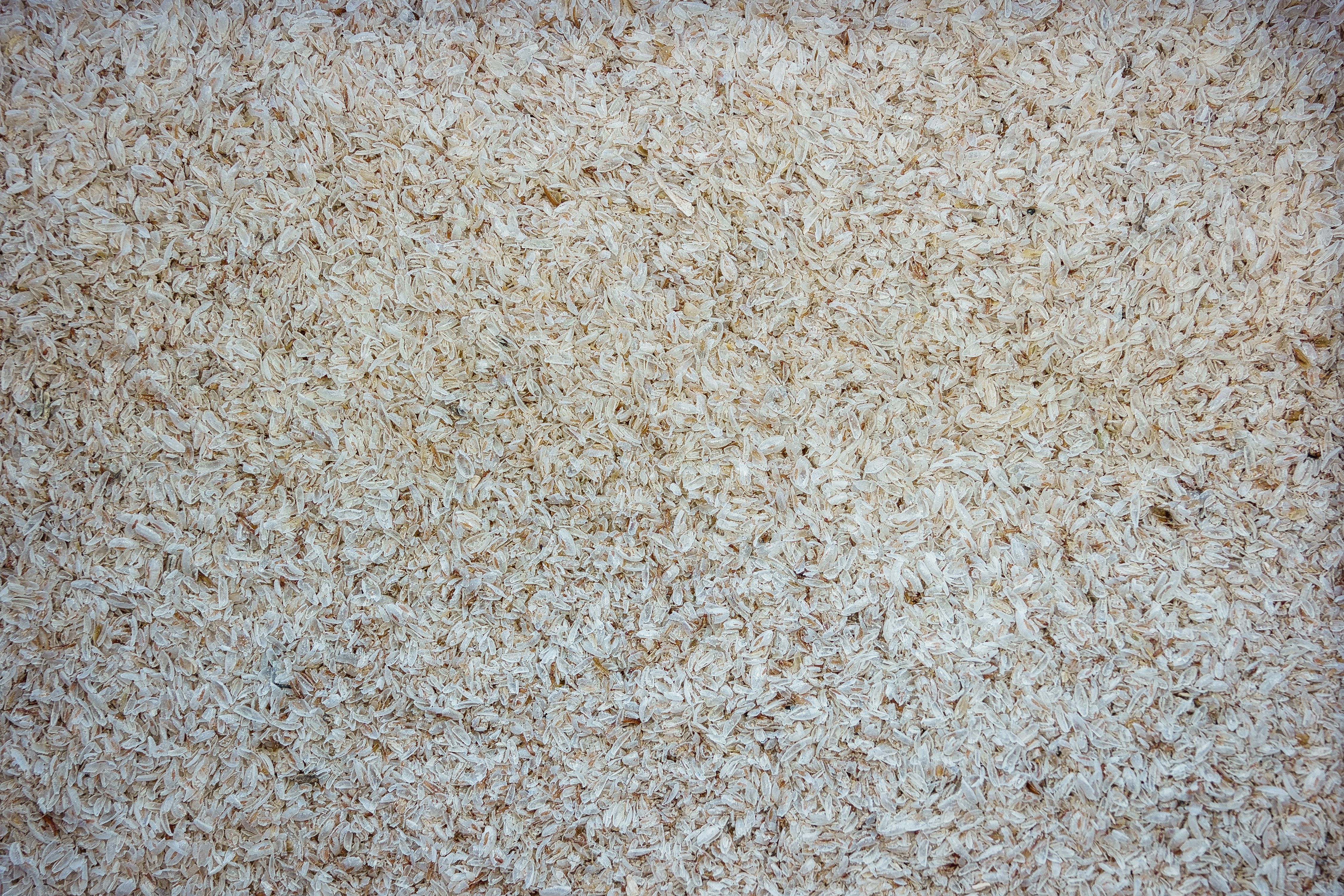
The diets react (see scores below)
Diet Ratings
Psyllium husk is ~95% fiber with minimal net carbs (~0.7g per tablespoon). Supports digestive health and satiety. Universally approved in keto for fiber supplementation.
Plant-derived fiber from psyllium seeds. Whole plant food with no animal products or derivatives. Nutritionally beneficial.
Psyllium husk is a soluble fiber derived from plantago seeds. It's not a grain or legume, and it's minimally processed. However, it's a supplement/isolated ingredient rather than a whole food, which conflicts with paleo philosophy. Some paleo practitioners use it for digestive health.
Strict paleo followers avoid isolated supplements and recommend whole-food fiber sources (vegetables, fruits, nuts). However, some paleo practitioners accept psyllium husk as a therapeutic tool for digestive issues, arguing it's a plant-derived fiber with no anti-nutrients.
Soluble fiber supplement with health benefits, but Mediterranean diet achieves fiber through whole grains, legumes, and vegetables. Acceptable as occasional supplement but not necessary with proper whole food intake.
Some Mediterranean diet practitioners view psyllium husk as acceptable functional food for digestive health, particularly when whole food fiber intake is insufficient.
Psyllium husk is plant-derived fiber from the Plantago plant. Directly violates carnivore exclusion of all plant foods, regardless of fiber benefits.
Psyllium husk is a soluble fiber derived from plantago seeds. It contains no excluded ingredients (not a grain, legume, or dairy product). It is a whole food supplement that is Whole30 compliant. Verify the product contains only psyllium husk with no added sugar or other additives.
Psyllium husk is a soluble fiber with minimal fermentable carbohydrates at standard doses (5-10g). Monash University rates it as low-FODMAP.
Soluble fiber source strongly supported by DASH guidelines. Reduces LDL cholesterol and supports blood pressure control. Minimal sodium and calories. Enhances satiety and digestive health. Excellent supplement to whole grain intake. Evidence-based cardiovascular benefit.
Soluble fiber with minimal net carbs (fiber subtracts from total carbs). Supports satiety and digestive health. Non-caloric for practical Zone purposes. Enhances low-glycemic carb profile.
Soluble fiber supports gut health and microbiome diversity, which reduces systemic inflammation. Prebiotic properties promote beneficial bacteria. No inflammatory compounds. Supports anti-inflammatory mechanisms.
Soluble fiber (7g per tablespoon), directly addresses GLP-1 constipation (major side effect), supports digestive health, minimal calories, no protein but essential for GI function. Commonly recommended by obesity medicine physicians. Must be taken with adequate water.
Nutritional profile
Six traits that cut across every diet.
Fiber & Plants
How much whole-plant food and fiber it delivers.
Healthy Fats
The quality of its fats (unsaturated, omega-3).
Whole / Unprocessed
How close it is to its natural, unprocessed form.
Gut Gentle
How easy it is on digestion (low FODMAP, few irritants).
Low Glycemic
How little it spikes your blood sugar.
Protein Density
How much protein it packs per calorie.
Controversy Index
Score range: 1–9/10. Higher controversy = more disagreement between diets.
Diet-Specific Tips for Psyllium husk
 Keto — 9/10
- ~95% fiber
- Minimal net carbs
- Supports digestion
- Increases satiety
- No keto conflicts
 Vegan — 9/10
- Plant-derived from psyllium seeds
- Whole food supplement
- No animal products or additives
 Paleo — 5/10
- isolated supplement
- not a whole food
- no anti-nutrients
- plant-derived fiber
- minimal processing
 Mediterranean — 5/10
- Isolated fiber source
- Whole foods preferred
- Health benefits documented
- Supplement vs. food distinction
 Whole30 — 8/10
- No excluded ingredients
- Whole food fiber source
- Not a grain or legume
- Verify no added sugar
 Low-FODMAP — 8/10
- Low-FODMAP at standard doses
- Soluble fiber, minimal fermentation
- Dose-dependent (high doses may cause symptoms)
 DASH — 9/10
- High soluble fiber
- LDL-lowering effect
- Low sodium
- Evidence-based benefit
 Zone — 8/10
- High fiber, low net carbs
- Minimal caloric impact
- Supports satiety
- Anti-inflammatory benefit
 Anti-Inflammatory — 7/10
- Soluble fiber content
- Prebiotic properties
- Supports healthy microbiome
- Reduces systemic inflammation
- No inflammatory compounds
 GLP-1 Friendly — 9/10
- high soluble fiber
- addresses constipation
- supports digestion
- minimal calories
- commonly recommended
- requires hydration