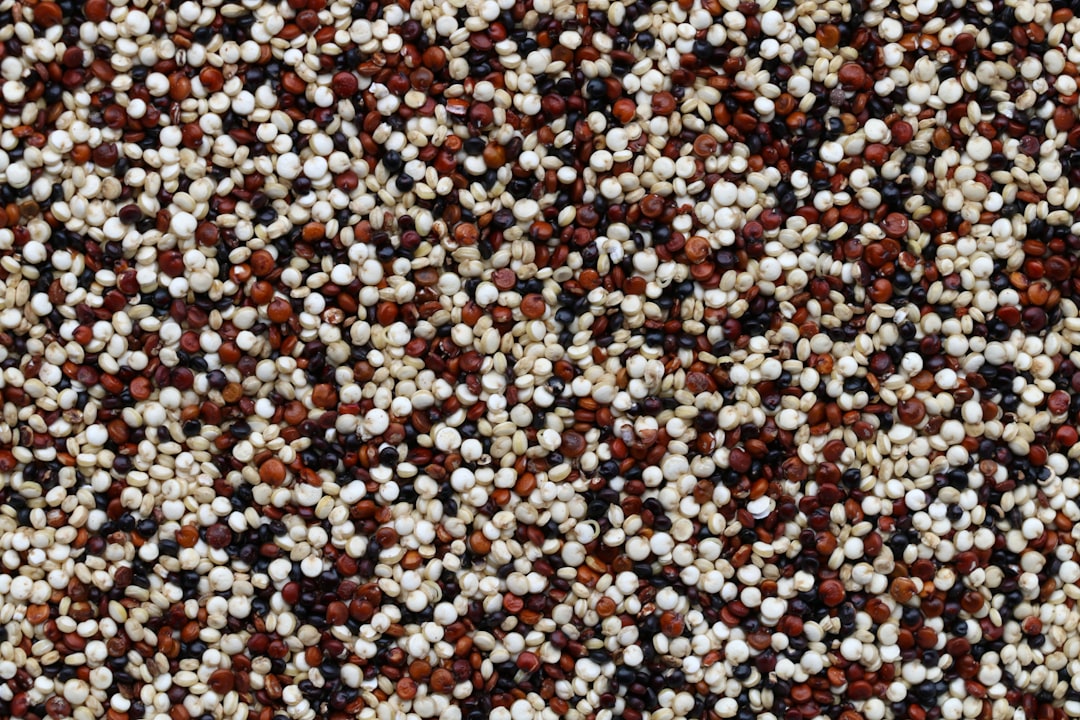
The diets react (see scores below)
Diet Ratings
Quinoa contains 34.4g net carbs per 100g and is a grain product. Even small portions (50g) provide 17.2g net carbs. Fundamentally incompatible with ketogenic diet macros.
Whole plant food, complete protein grain with all nine essential amino acids. Minimally processed and highly nutrient-dense.
Pseudo-grain excluded from paleo diet. Contains saponins and other anti-nutrients that can damage gut lining. High carbohydrate content and processed nature contradict paleo principles.
Complete plant-based protein source with all essential amino acids. Whole grain with good fiber content and low glycemic index. While not traditionally Mediterranean, aligns well with modern Mediterranean diet principles emphasizing whole grains and plant-based proteins.
Traditional Mediterranean diet purists note quinoa is not indigenous to Mediterranean regions and prefer traditional whole grains like farro, barley, and bulgur. However, modern interpretations accept quinoa as a compatible whole grain alternative.
Pseudocereal derived from plants. Contains plant proteins, carbohydrates, and plant compounds. Explicitly excluded from carnivore diet.
Quinoa is explicitly excluded from Whole30 as a grain. It is not permitted in any form during the 30-day elimination period.
Quinoa is low-FODMAP at standard serving sizes per Monash University. Pseudo-grain with acceptable FODMAP profile for low-FODMAP diet.
Whole grain with complete protein, high fiber, and good potassium and magnesium content. Low sodium. Excellent DASH grain choice supporting nutrient density and satiety.
Whole grain with moderate net carbs (~14g per 100g) and moderate glycemic index (~53). Contains complete protein (8g per 100g). Zone allows 0-1 whole grain servings/day; quinoa is more acceptable than refined grains but still requires careful portioning. Some Zone practitioners favor it for protein content.
Dr. Sears' early Zone writings emphasize minimizing whole grains even when low-glycemic. Later adaptations acknowledge quinoa's complete amino acid profile as potentially useful for vegetarian Zone meals, though vegetables remain preferred carb sources.
Complete plant-based protein with all essential amino acids. Whole grain with fiber, polyphenols, and antioxidants. Low glycemic index. Supports anti-inflammatory diet principles. Excellent alternative to refined grains.
Complete plant-based protein source with all nine essential amino acids and decent fiber. However, higher in carbohydrates and calories than non-starchy vegetables. Acceptable in small portions as part of a balanced meal, but portion control is critical for calorie management on GLP-1.
Some GLP-1 nutrition experts recommend quinoa as a superior grain choice due to complete protein profile and fiber content, while others prioritize non-starchy vegetables and legumes over any grain to maximize nutrient density per calorie in the context of severely reduced appetite.
Nutritional profile
Six traits that cut across every diet.
Fiber & Plants
How much whole-plant food and fiber it delivers.
Healthy Fats
The quality of its fats (unsaturated, omega-3).
Whole / Unprocessed
How close it is to its natural, unprocessed form.
Gut Gentle
How easy it is on digestion (low FODMAP, few irritants).
Low Glycemic
How little it spikes your blood sugar.
Protein Density
How much protein it packs per calorie.
Controversy Index
Score range: 1–9/10. Higher controversy = more disagreement between diets.
Diet-Specific Tips for Quinoa
 Vegan — 9/10
- 100% plant-based
- Whole food
- Complete protein
- High micronutrient density
 Mediterranean — 8/10
- complete plant-based protein
- whole grain
- low glycemic index
- not traditional but compatible
 Low-FODMAP — 8/10
- Low fructans
- Low GOS
- Low polyols
- Pseudo-grain
 DASH — 8/10
- Complete protein
- High fiber
- Good potassium and magnesium
- Low sodium
 Zone — 6/10
- Complete protein profile
- Moderate glycemic index
- Whole grain (less refined)
- Requires portion control
- Better than white rice but not ideal
 Anti-Inflammatory — 8/10
- Complete protein
- Whole grain
- Low glycemic index
- Polyphenols
- Fiber and antioxidants
 GLP-1 Friendly — 6/10
- complete plant protein
- good fiber
- higher carbohydrate content
- higher calorie density than vegetables
- portion-sensitive