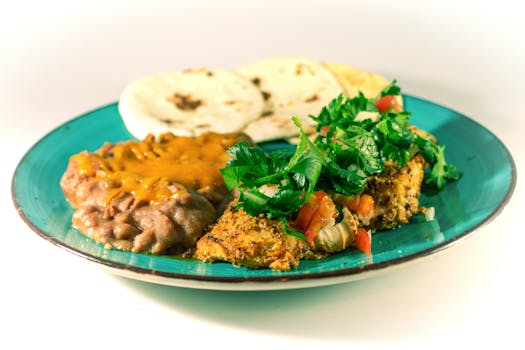
The diets react (see scores below)
Diet Ratings
Refried beans contain ~15-20g net carbs per 100g plus often added sugars and vegetable oils. Processed legume product incompatible with keto. Often contains added carbs and poor fat quality.
Often made with lard or bacon fat in traditional recipes. Many canned versions use vegetable oil and are vegan, but require label checking. Whole bean base is good, but processing and fat content vary significantly.
Some vegans avoid all refried beans due to traditional preparation with animal fats, while others accept verified vegan versions as compliant.
Refried beans are legume-based and typically prepared with seed oils and added salt. Multiple paleo violations including legume base, processing, and additives.
While beans are Mediterranean staples, traditional refried beans are often made with lard or excessive oil and salt. Homemade versions with olive oil are acceptable; commercial versions often contain added fats and sodium.
Some Mediterranean practitioners accept refried beans made with extra virgin olive oil and minimal salt as compatible, particularly when homemade.
Refried beans are legume-based (plant-derived) and typically contain added plant oils and processed ingredients. Explicitly excluded from carnivore diet.
Beans are legumes, which are explicitly excluded from Whole30. Refried beans may also contain added oils, spices, or other additives that could be problematic.
Refried beans are typically made from pinto or kidney beans, both high in GOS and fructans. Added ingredients (garlic, onion) further increase FODMAP load. High-FODMAP at any reasonable serving.
While beans are DASH-approved, commercial refried beans are often high in sodium (400-600mg per half cup) and saturated fat from lard or added oils. Homemade low-sodium versions are acceptable.
Refried beans are typically prepared with lard or vegetable oil, adding inflammatory fats and calories. Often high in sodium and may contain added sugars. The processing and fat content make them incompatible with Zone anti-inflammatory principles.
Depends heavily on preparation. Traditional recipes use lard or seed oils, adding inflammatory fats. Canned versions often contain added sodium and preservatives. Homemade with olive oil would be approvable.
Some sources consider refried beans acceptable if prepared with minimal oil and no trans fats. However, commercial versions typically contain problematic ingredients.
Good protein (12g per cup) and fiber (7g per cup), but typically prepared with added fat (lard, oil) and salt. Fat content can trigger nausea and bloating in GLP-1 patients. Acceptable if made with minimal fat or homemade with lean preparation.
Some RDs recommend refried beans as a convenient protein source if the low-fat variety is chosen; others avoid them due to traditional high-fat preparation and sodium content that may worsen GI symptoms in GLP-1 patients.
Nutritional profile
Six traits that cut across every diet.
Fiber & Plants
How much whole-plant food and fiber it delivers.
Healthy Fats
The quality of its fats (unsaturated, omega-3).
Whole / Unprocessed
How close it is to its natural, unprocessed form.
Gut Gentle
How easy it is on digestion (low FODMAP, few irritants).
Low Glycemic
How little it spikes your blood sugar.
Protein Density
How much protein it packs per calorie.
Controversy Index
Score range: 1–6/10. Higher controversy = more disagreement between diets.
Diet-Specific Tips for Refried beans
 Vegan — 6/10
- Often contains lard or bacon
- Requires label verification
- High sodium in canned versions
- Vegan versions available
 Mediterranean — 4/10
- preparation method
- added fats
- sodium content
- processing level
 DASH — 4/10
- High sodium in commercial versions (400-600mg per serving)
- Often contain lard or added saturated fat
- Homemade low-sodium versions are DASH-compliant
- Check label for sodium content
 Anti-Inflammatory — 5/10
- preparation-dependent
- often high in sodium
- often made with lard or seed oils
- processed versions contain additives
- homemade versions can be anti-inflammatory
 GLP-1 Friendly — 5/10
- good protein
- good fiber
- high fat (typically)
- high sodium
- preparation-dependent