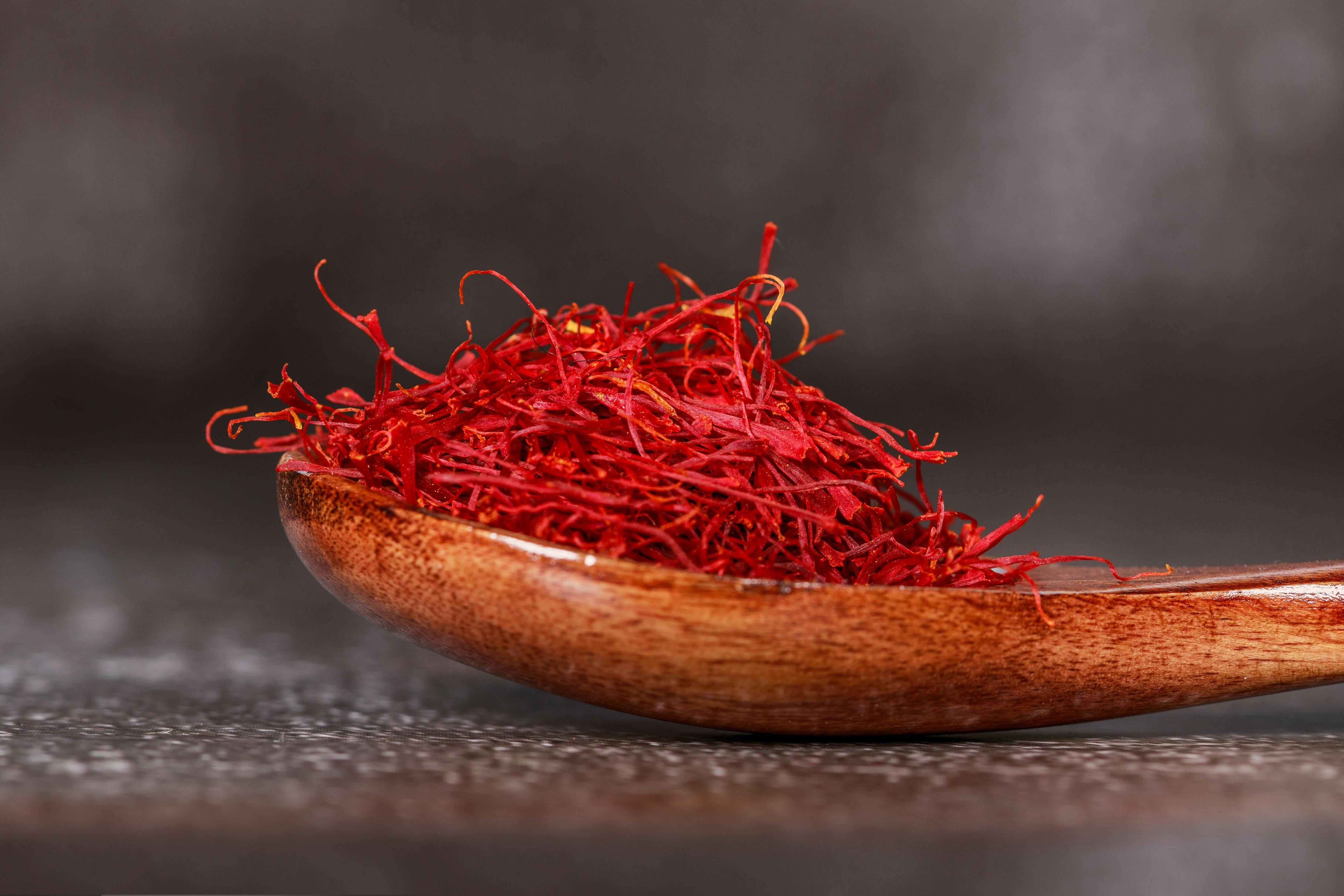
The diets react (see scores below)
Diet Ratings
Saffron is a spice with negligible carbs (0.5g net carbs per teaspoon) and no sugar. Used in extremely small quantities for flavor and color. Fully compatible with ketogenic diet.
Dried stigmas from the saffron crocus flower. Pure plant product with no animal-derived ingredients.
Saffron is dried stigmas from crocus flowers, unprocessed, and available through ancestral trade routes. No additives, grains, legumes, or seed oils. Fully paleo-compliant.
Saffron is a premium traditional Mediterranean spice, especially prominent in Spanish, Italian, and Greek cuisines. It is whole, unprocessed, adds distinctive flavor without salt or sugar, and is a cornerstone of Mediterranean cooking.
Dried stigmas from the saffron crocus flower. Plant-derived spice with no animal origin, excluded from carnivore protocol.
Saffron is a pure spice derived from the crocus flower. It contains no excluded ingredients and is a whole, unprocessed ingredient.
Saffron is a dried spice stigma with no significant FODMAP content. Used in very small quantities (pinch to 1/4 teaspoon), making it low-FODMAP regardless of portion.
Saffron is a sodium-free spice with no added sugars or fats. Provides distinctive flavor to reduce reliance on salt. Contains crocin and safranal with potential cardiovascular benefits.
Expensive spice used in trace amounts. Minimal macronutrient contribution; contains bioactive compounds (crocin, safranal) with potential anti-inflammatory effects. Zero glycemic impact.
Saffron contains crocin and safranal, compounds with documented anti-inflammatory and antioxidant properties. Research supports benefits for inflammation markers. No inflammatory additives. Expensive but potent in small quantities.
Saffron is a dry spice with negligible calories, fat, and sugar. Adds distinctive, subtle flavor to lean proteins and vegetables without any GI irritation. Supports nutrient-dense meal preparation. No portion restrictions or side effect risk.
Nutritional profile
Six traits that cut across every diet.
Fiber & Plants
How much whole-plant food and fiber it delivers.
Healthy Fats
The quality of its fats (unsaturated, omega-3).
Whole / Unprocessed
How close it is to its natural, unprocessed form.
Gut Gentle
How easy it is on digestion (low FODMAP, few irritants).
Low Glycemic
How little it spikes your blood sugar.
Protein Density
How much protein it packs per calorie.
Controversy Index
Score range: 1–10/10. Higher controversy = more disagreement between diets.
Diet-Specific Tips for Saffron
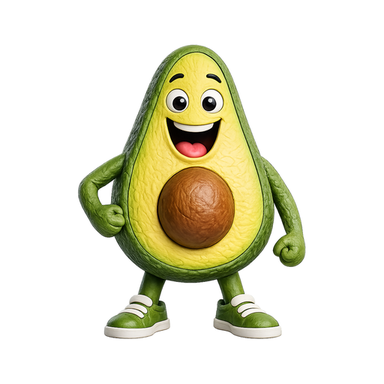 Keto — 9/10
- Negligible net carbs
- No added sugars
- Used in minimal portions
- Flavor-only contribution
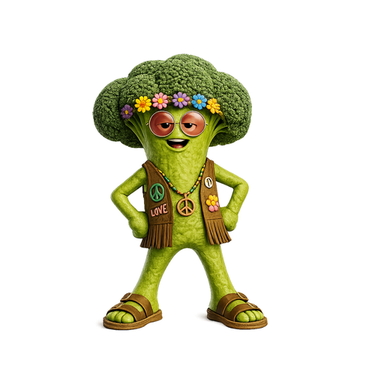 Vegan — 9/10
- plant-based
- whole food
- no additives
 Paleo — 10/10
- Unprocessed dried spice
- Ancestral availability through trade
- No additives
- Bioactive compounds
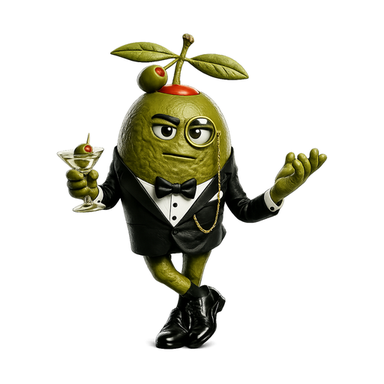 Mediterranean — 9/10
- Traditional Mediterranean spice
- Whole, unprocessed
- No additives
- Central to Mediterranean dishes (paella, risotto)
 Whole30 — 10/10
- Pure spice
- Whole ingredient
- No additives
 Low-FODMAP — 9/10
- Dried spice
- Minimal carbohydrate content
- Extremely small serving sizes typical
 DASH — 9/10
- Zero sodium
- No added sugars
- Flavor enhancement
- Bioactive compounds
 Zone — 8/10
- Negligible macronutrient impact
- Bioactive compounds
- Flavor enhancement
- Zero glycemic load
 Anti-Inflammatory — 8/10
- crocin and safranal compounds
- documented anti-inflammatory research
- potent antioxidant activity
- no additives in pure form
 GLP-1 Friendly — 9/10
- Zero fat, sugar, calories
- Enhances flavor without irritation
- Supports nutrient-dense meals
- No GLP-1 side effect risk