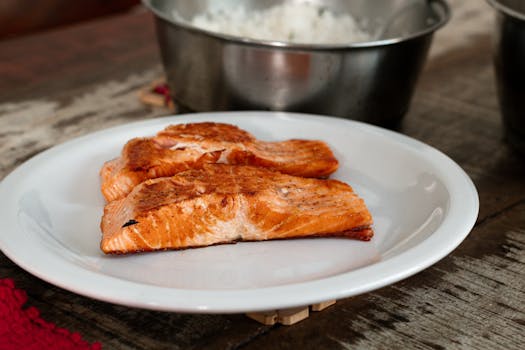
The diets react (see scores below)
Diet Ratings
Salmon jerky is high in protein and fat, but many commercial brands add sugar, soy sauce, or honey for flavor and preservation. Net carbs range from 0-3g per serving depending on brand. Check labels carefully for added sugars.
Some keto practitioners avoid all jerky products due to processing and potential hidden sugars, preferring whole salmon or unprocessed fish.
Salmon is fish, an animal product. Explicitly non-vegan regardless of processing method.
Salmon jerky is a processed meat product. While the base (salmon) is paleo-approved, commercial jerky often contains added salt, sugar, preservatives, or seed oils. Homemade jerky with salt only would be higher-rated; commercial versions require ingredient scrutiny.
Some paleo practitioners accept commercial salmon jerky if it contains only salt and smoke as preservatives, viewing it as a practical preserved protein similar to ancestral curing methods. Others reject all processed meats.
Salmon is excellent Mediterranean protein (2-3x weekly), but jerky is heavily processed with added sodium and often preservatives. Fresh or minimally processed salmon preferred. Jerky acceptable occasionally but contradicts whole-food emphasis.
Some practitioners view salmon jerky as convenient protein source acceptable for busy lifestyles, though traditional Mediterranean diet emphasizes fresh preparation.
Salmon jerky is fish-derived (approved animal product) but typically contains added sugars, spices, and preservatives. Quality varies significantly. Pure salmon jerky with salt only would score 8-9; most commercial versions contain plant-based additives or sugar.
Strict carnivore practitioners prefer fresh or minimally processed salmon over jerky due to added ingredients and processing. However, most carnivore practitioners accept high-quality jerky with minimal additives as a convenient animal-based option.
Salmon jerky is technically compliant if made with only salmon and salt, but many commercial versions contain added sugar, soy sauce, or other excluded ingredients. Homemade or verified compliant versions are acceptable; most store-bought versions are not.
Melissa Urban emphasizes checking ingredient labels carefully. Many salmon jerky products contain added sugar or soy, making them non-compliant. Only truly whole-food jerky with salt alone qualifies.
Plain salmon jerky (protein-only) is low-FODMAP, but commercial products often contain garlic powder, onion powder, honey, or high-fructose marinades. FODMAP status depends entirely on added ingredients and processing.
Monash University has not tested 'salmon jerky' specifically. Clinical practitioners advise checking labels for garlic, onion, honey, and excess sugar. Plain, unseasoned salmon jerky would be low-FODMAP; flavored varieties are high-risk.
Salmon provides omega-3 fatty acids and lean protein (DASH-approved). However, jerky processing adds 300-500mg sodium per ounce. High sodium content is primary concern. Acceptable occasionally in small portions but not for regular consumption.
Lean protein (salmon = omega-3s, anti-inflammatory). However, jerky processing often adds sodium and may include added sugars. Verify label for carbs and additives. Better than beef jerky but less ideal than fresh salmon.
Dr. Sears emphasizes whole foods; processed jerky conflicts with this philosophy. Some practitioners accept it as convenient protein if sugar-free and low-sodium.
Salmon is an excellent source of omega-3 fatty acids (EPA and DHA) with strong anti-inflammatory properties. Jerky format provides convenient protein. Quality matters: look for products without added sugars, nitrates, or inflammatory seed oils.
Salmon jerky is high in protein (8-12g per ounce), contains omega-3 fatty acids (anti-inflammatory), low in carbs, and requires minimal chewing/digestion. Portable, shelf-stable, and works well in small portions. Fat content is moderate but from beneficial omega-3 sources. Excellent nutrient density per calorie for GLP-1 patients.
Nutritional profile
Six traits that cut across every diet.
Fiber & Plants
How much whole-plant food and fiber it delivers.
Healthy Fats
The quality of its fats (unsaturated, omega-3).
Whole / Unprocessed
How close it is to its natural, unprocessed form.
Gut Gentle
How easy it is on digestion (low FODMAP, few irritants).
Low Glycemic
How little it spikes your blood sugar.
Protein Density
How much protein it packs per calorie.
Controversy Index
Score range: 1–8/10. Higher controversy = more disagreement between diets.
Diet-Specific Tips for Salmon jerky
 Keto — 6/10
- Variable sugar content by brand
- High protein and fat
- Often contains added sweeteners
- Label-dependent
 Paleo — 6/10
- Processed format
- Often contains added sugars
- Preservatives (nitrates/nitrites possible)
- Added salt
- Seed oil risk
 Mediterranean — 5/10
- High sodium
- Processed
- Preservatives likely
- Good protein source
 Carnivore — 6/10
- Fish-derived (approved)
- Processing method
- Added ingredients critical
- Sugar content varies
- Check label for additives
 Whole30 — 6/10
- Ingredient-dependent
- Often contains hidden sugars
- Label verification essential
 Low-FODMAP — 6/10
- Plain salmon is low-FODMAP
- Seasonings often include garlic and onion
- Marinades may contain honey or high-fructose syrups
- Brand-dependent
 DASH — 4/10
- Excellent omega-3 content
- Lean protein source
- High sodium from processing
- Portion control essential
 Zone — 6/10
- Excellent omega-3 profile
- Lean protein source
- Processing and sodium concerns
- Potential hidden sugars
- Convenience vs. whole-food trade-off
 Anti-Inflammatory — 8/10
- high omega-3 fatty acids
- quality protein source
- requires checking for added sugars and additives
- processing method important
 GLP-1 Friendly — 8/10
- high protein density
- omega-3 fatty acids
- low carbohydrate
- easy to digest
- portion-friendly
- sodium content (check label)