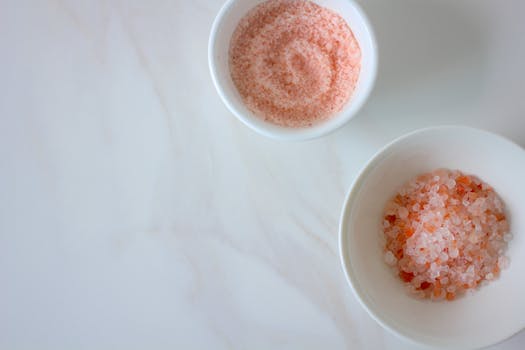
The diets react (see scores below)
Diet Ratings
Salt contains zero carbs, zero calories, and zero sugar. Essential for electrolyte balance on keto. No restrictions.
Mineral-derived seasoning with no animal products. Vegan-compliant regardless of source (sea salt or rock salt).
Added salt is explicitly excluded from paleo diet guidelines. Paleolithic humans obtained sodium from whole foods, not refined salt. Modern paleo emphasizes whole-food sodium sources.
Salt is acceptable in Mediterranean diet but should be used minimally. Mediterranean cuisine emphasizes herbs and spices for flavor rather than salt. Excessive sodium contradicts health principles of the diet.
Mineral salt (sodium chloride). Essential electrolyte for carnivore diet. Explicitly included in Lion Diet and all carnivore protocols. Universally approved and recommended.
Pure mineral with no excluded ingredients. Whole30 explicitly allows salt as a seasoning.
Salt (sodium chloride) contains no fermentable carbohydrates and is not a FODMAP. It is universally approved on the low-FODMAP diet.
Pure sodium chloride. DASH explicitly limits sodium to <2,300mg/day (standard) or <1,500mg/day (low-sodium). Salt is the primary dietary sodium source. Must be minimized or eliminated.
Salt has zero macronutrient impact. Zone diet does not restrict sodium for healthy individuals. Use to taste without concern for macronutrient ratios. Supports flavor and meal palatability.
Salt itself is neutral, but excessive sodium intake promotes inflammation and hypertension. Anti-inflammatory diet recommends moderate salt use. Acceptable in small amounts for flavor; problematic in excess.
Zero calories but high sodium can worsen water retention and bloating—common GLP-1 side effects. Excessive salt intake may increase nausea perception. Use in moderation; prioritize flavor from herbs and spices instead. Electrolyte balance is important during rapid weight loss.
Nutritional profile
Six traits that cut across every diet.
Fiber & Plants
How much whole-plant food and fiber it delivers.
Healthy Fats
The quality of its fats (unsaturated, omega-3).
Whole / Unprocessed
How close it is to its natural, unprocessed form.
Gut Gentle
How easy it is on digestion (low FODMAP, few irritants).
Low Glycemic
How little it spikes your blood sugar.
Protein Density
How much protein it packs per calorie.
Controversy Index
Score range: 1–10/10. Higher controversy = more disagreement between diets.
Diet-Specific Tips for Salt
 Keto — 10/10
- Zero carbs
- Zero calories
- Essential electrolyte on keto
- No additives in pure salt
 Vegan — 9/10
- No animal products
- Mineral source
- No processing concerns
 Mediterranean — 5/10
- Minimal use recommended
- Herbs preferred for flavoring
- Sodium concerns with excess
- Traditional Mediterranean uses herbs over salt
 Carnivore — 10/10
- Essential electrolyte
- Non-plant mineral
- Core carnivore staple
- Supports hydration and mineral balance
 Whole30 — 10/10
- Pure mineral
- No additives
- Explicitly allowed
 Low-FODMAP — 10/10
- Pure mineral with no carbohydrate content
- No FODMAPs present
- Unlimited use permitted
 Zone — 7/10
- Zero macronutrients
- No glycemic impact
- Flavor enhancement
 Anti-Inflammatory — 5/10
- Excessive sodium promotes inflammation
- Hypertension risk
- Neutral in moderation
- Limit to <2300mg daily
 GLP-1 Friendly — 5/10
- zero calories
- high sodium worsens bloating
- may worsen nausea
- electrolyte balance concern