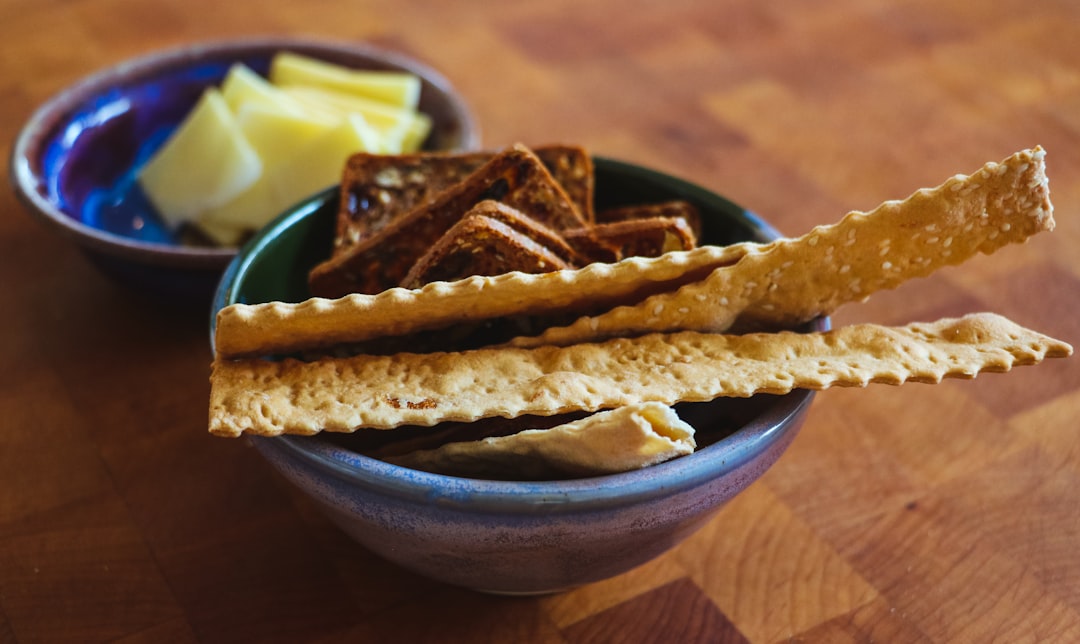
The diets react (see scores below)
Diet Ratings
Saltine crackers are refined grain products with ~4g net carbs per 5 crackers (a typical serving). They offer no nutritional benefit for keto and are highly processed. Even a small serving contributes significantly to daily carb limits.
Many brands are vegan (flour, water, salt, oil), but some contain dairy, whey, or animal-derived additives. Heavily processed but ingredient-simple. Label verification required.
Some whole-food vegans avoid all processed crackers including saltines, viewing them as ultra-processed foods lacking nutritional value.
Saltine crackers are grain-based (wheat flour), processed, contain added salt, and often include seed oils and additives. Clear violation of paleo principles: grains, processing, added salt, and refined carbohydrates.
Refined grain product lacking whole grains, fiber, and nutrients. Ultra-processed with added sodium. No vegetables or plant-based nutrition. Directly contradicts Mediterranean emphasis on whole grains and minimal processing.
Saltine crackers are grain-based (wheat flour) processed snacks. Grains and grain products are explicitly excluded from carnivore diet. The salt content does not change their plant-derived grain base.
Saltine crackers are grain-based and explicitly prohibited. Crackers are banned on Whole30 regardless of ingredients as they recreate processed snack foods.
Saltine crackers are made from wheat flour, which contains fructans. At very small portions (5-10 crackers), they may be tolerated; at larger servings, fructan load becomes significant. Monash has not specifically tested saltines but rates wheat as high-FODMAP.
Monash University rates wheat flour as high-FODMAP due to fructans. Clinical practitioners suggest that small portions of wheat crackers may be tolerated during the elimination phase, but portion control is essential. Larger servings exceed low-FODMAP limits.
Refined grain product with 150-200mg sodium per serving (6-9% of daily limit per small serving). Minimal fiber, no whole grains. Added sugars often present. High sodium and refined carbs conflict with DASH principles.
Refined white flour, high-glycemic carbs, minimal protein/fat. No nutritional density. Processed junk incompatible with Zone anti-inflammatory focus.
Saltine crackers are refined carbohydrates with minimal fiber, nutrients, or anti-inflammatory compounds. They lack the whole grains, antioxidants, and polyphenols emphasized in anti-inflammatory diets. Often contain inflammatory seed oils and provide rapid blood glucose elevation.
Saltine crackers are refined carbohydrates with minimal protein (1g per 5 crackers), minimal fiber, and no nutritional density. 5 crackers = 60 calories of empty carbs. Provides no satiety, no nutrient value, and contributes to blood sugar instability. Contradicts GLP-1 dietary priorities (protein, fiber, nutrient density). Better alternatives exist for every use case.
Nutritional profile
Six traits that cut across every diet.
Fiber & Plants
How much whole-plant food and fiber it delivers.
Healthy Fats
The quality of its fats (unsaturated, omega-3).
Whole / Unprocessed
How close it is to its natural, unprocessed form.
Gut Gentle
How easy it is on digestion (low FODMAP, few irritants).
Low Glycemic
How little it spikes your blood sugar.
Protein Density
How much protein it packs per calorie.
Controversy Index
Score range: 1–6/10. Higher controversy = more disagreement between diets.
Diet-Specific Tips for Saltine crackers
 Vegan — 6/10
- Often vegan but brand-dependent
- Heavily processed
- Label verification needed
- Simple ingredient base
 Low-FODMAP — 5/10
- Wheat flour contains fructans
- Portion size determines FODMAP load
- 5-10 crackers may be tolerated; larger servings exceed limits