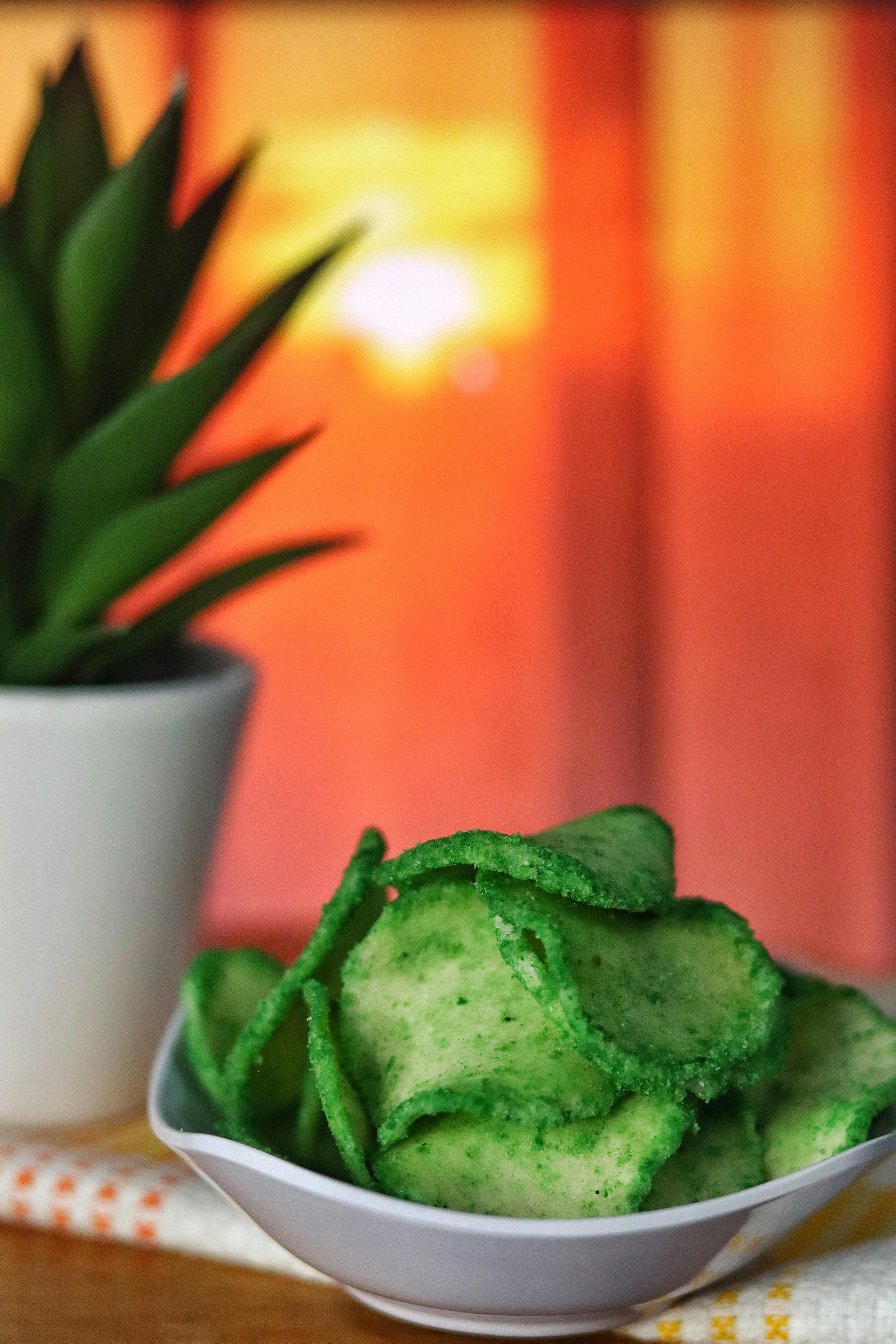
Seaweed snacks
Rated by 11 diets
The diets react (see scores below)
Diet Ratings
Minimal net carbs (1-2g per serving), high in minerals and iodine, satisfying crunch. Excellent keto snack with no blood sugar impact.
Seaweed is a plant-based whole food. Most seaweed snacks contain only seaweed and salt, with no animal products or derivatives.
Seaweed is a whole-food ocean plant available to coastal Paleolithic populations. It is nutrient-dense with iodine, minerals, and trace elements. Unseasoned or minimally seasoned seaweed snacks align with paleo principles. Check for added seed oils or excessive salt.
Seaweed is nutrient-dense and minimally processed, but not traditional to Mediterranean diet. Often roasted with oils and salt. Acceptable as occasional snack but not a core Mediterranean food.
Some Mediterranean diet experts note that while seaweed is not traditional, it aligns with principles of whole foods and minimal processing, making it acceptable for those seeking variety in plant-based snacks.
Dried seaweed sheets, often roasted with vegetable oil and salt. While seaweed is technically marine plant material, it is plant-derived and excluded from strict carnivore diet. Some practitioners consume small amounts for iodine, but this contradicts core principles.
Plain seaweed with salt is technically compliant, but many commercial seaweed snacks contain added sugar, soy sauce (soy is excluded), or other additives. Must verify ingredient label carefully.
Some Whole30 practitioners debate whether flavored seaweed snacks (even with compliant seasonings) align with the 'whole foods' spirit, though plain seaweed is generally accepted.
Seaweed (nori) is low-FODMAP. Plain seaweed snacks with minimal additives are FODMAP-free. Verify no garlic, onion, or high-FODMAP seasonings.
Low calorie, nutrient-dense (iodine, minerals), but sodium content is often high (300–500mg per serving). Some brands are lower sodium. Iodine excess may concern those with thyroid conditions. Verify sodium on label.
NIH DASH guidelines do not specifically address seaweed; updated clinical interpretation recognizes nutrient density but emphasizes sodium verification. Some practitioners recommend as acceptable if low-sodium; others caution on iodine intake.
Low-glycemic carbohydrate, minimal calories, rich in minerals (iodine, magnesium) and polyphenols. Minimal macronutrient impact. Excellent low-calorie vegetable-equivalent snack. Supports anti-inflammatory goals.
Seaweed is nutrient-dense with iodine, minerals, and polyphenols. Contains fucoidan and other bioactive compounds with antioxidant and anti-inflammatory properties. Low calorie, high in fiber, and typically minimally processed. Excellent source of umami flavor without inflammatory additives when unseasoned or lightly salted.
Low calorie (30 cal per sheet), minimal fat (1-2g), minimal protein (1g) but excellent micronutrient density (iodine, iron, calcium, vitamins). High in fiber relative to calories. Crispy texture satisfies snacking urge without triggering nausea. Easy to digest. Ideal GLP-1 snack for volume and satiety without caloric burden.
Nutritional profile
Six traits that cut across every diet.
Fiber & Plants
How much whole-plant food and fiber it delivers.
Healthy Fats
The quality of its fats (unsaturated, omega-3).
Whole / Unprocessed
How close it is to its natural, unprocessed form.
Gut Gentle
How easy it is on digestion (low FODMAP, few irritants).
Low Glycemic
How little it spikes your blood sugar.
Protein Density
How much protein it packs per calorie.
Controversy Index
Score range: 2–9/10. Higher controversy = more disagreement between diets.
Diet-Specific Tips for Seaweed snacks
 Keto — 8/10
- 1-2g net carbs per serving
- Mineral-rich (iodine, magnesium)
- Low calorie density
- Satisfying texture
 Vegan — 9/10
- 100% plant-based
- Whole food
- Minimal processing
- No animal ingredients
 Paleo — 8/10
- Whole ocean plant food
- Available to coastal hunter-gatherers
- Mineral and iodine-rich
- Minimal processing if unseasoned
 Mediterranean — 6/10
- Nutrient-dense
- Minimally processed
- Not traditional Mediterranean
- Often high in sodium
 Whole30 — 5/10
- Ingredient-dependent
- Often contains additives
- Must verify label
- Plain seaweed is compliant
 Low-FODMAP — 8/10
- Seaweed is low-FODMAP
- Minimal carbohydrate content
- Check for garlic or onion seasoning
 DASH — 4/10
- High sodium in most brands (300–500mg)
- Rich in iodine and minerals
- Low calorie
- Iodine may be excessive for some
 Zone — 8/10
- Low-glycemic
- Mineral-rich
- Polyphenol-rich
- Minimal caloric impact
- Anti-inflammatory
 Anti-Inflammatory — 8/10
- polyphenol content (fucoidan)
- mineral density
- iodine source
- low calorie
- high fiber
- minimal processing
 GLP-1 Friendly — 8/10
- low calorie
- low fat
- high micronutrient density
- high fiber relative to calories
- satisfying texture
- easy to digest