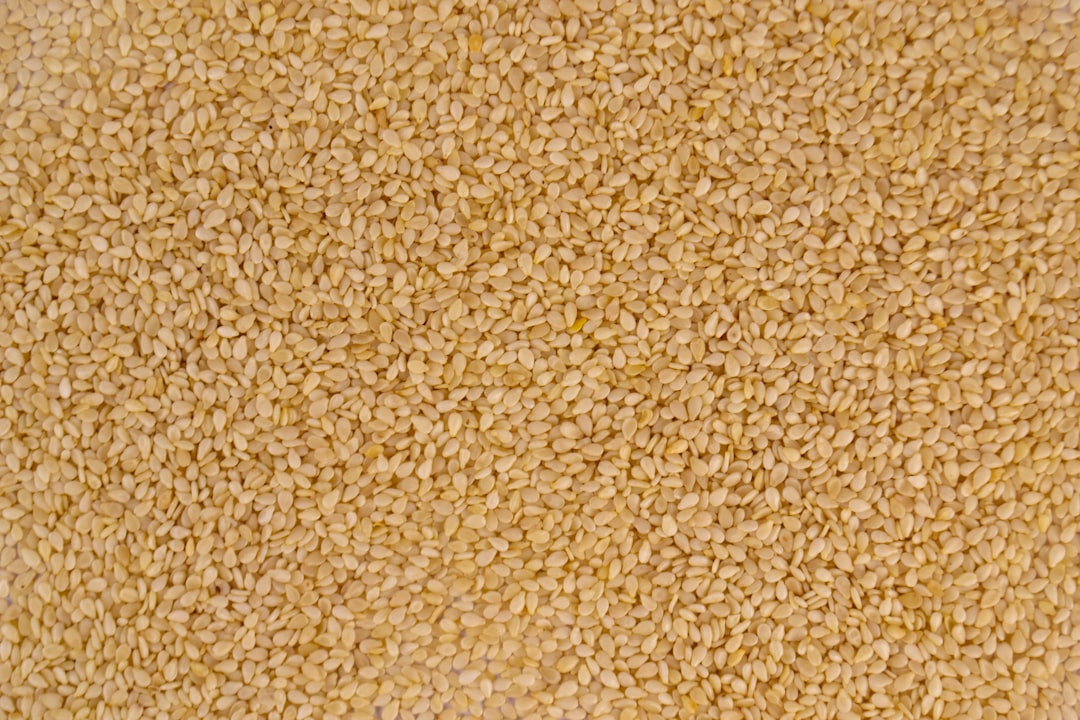
The diets react (see scores below)
Diet Ratings
Sesame seeds offer ~3g net carbs per ounce with 16g fat and 5g protein. Rich in calcium, magnesium, and lignans. Excellent keto ingredient for flavor and nutrition, particularly in Asian-inspired dishes.
Whole plant food, excellent source of calcium, minerals, healthy fats, and protein. Minimally processed. Highly nutritious and vegan-compliant.
Sesame seeds are whole seeds with nutritional value, but they are high in omega-6 polyunsaturated fats and contain phytic acid. While some paleo practitioners include them in moderation, others avoid them due to the inflammatory omega-6 profile and anti-nutrient content. The mainstream paleo position is cautious acceptance in small amounts.
Strict paleo followers exclude sesame seeds entirely due to their high omega-6 content and phytic acid, arguing they promote inflammatory responses. Conversely, some paleo practitioners accept them in moderation as ancestral foods with mineral benefits.
Traditional Mediterranean seed, particularly in Middle Eastern and Southern Mediterranean regions. Rich in healthy fats, calcium, and minerals. Used in traditional Mediterranean cuisines. Core staple food.
Plant-derived seeds. Explicitly excluded from carnivore diet as all seeds and plant foods are prohibited.
Sesame seeds are whole, unprocessed seeds explicitly allowed on Whole30. They provide calcium, healthy fats, and minerals. No excluded ingredients.
Sesame seeds are low in FODMAPs at standard serving sizes. Monash supports 28g (3 tablespoons) as low-FODMAP.
Good source of calcium, magnesium, fiber, and monounsaturated fats. Low sodium. Nutrient-dense and supports DASH principles. Beneficial for bone health and cardiovascular function.
Sesame seeds contain moderate fat (~9g per ounce) and protein (~5g per ounce), but are carb-dense (~7g per ounce). Elevated omega-6 linoleic acid. Macro profile is carb-skewed; approximately 1 ounce = 1 fat block + carb contribution. Acceptable as condiment but difficult to portion for Zone balance.
Contains lignans and some polyphenols with antioxidant properties, but higher in omega-6 relative to omega-3. Neutral inflammatory profile. Acceptable in moderation but not a primary anti-inflammatory choice. Tahini processing reduces benefits.
Some traditional medicine systems emphasize sesame's anti-inflammatory properties; however, modern anti-inflammatory diet guidance prioritizes seeds with better omega-3/omega-6 ratios.
Sesame seeds contain 5.1g protein and 3.3g fiber per ounce but are calorie-dense (160 cal/oz) with 15g fat per ounce. While mostly unsaturated, the high fat concentration may trigger GLP-1 side effects in sensitive patients. Better as a garnish than a staple. Some RDs recommend them for mineral content (calcium, iron); others limit them due to fat density.
Some RDs highlight sesame seeds' calcium content (88 mg per ounce) and mineral profile as beneficial for GLP-1 patients at risk of nutrient deficiency; others prioritize lower-fat seed options like chia or flax to minimize GI distress.
Nutritional profile
Six traits that cut across every diet.
Fiber & Plants
How much whole-plant food and fiber it delivers.
Healthy Fats
The quality of its fats (unsaturated, omega-3).
Whole / Unprocessed
How close it is to its natural, unprocessed form.
Gut Gentle
How easy it is on digestion (low FODMAP, few irritants).
Low Glycemic
How little it spikes your blood sugar.
Protein Density
How much protein it packs per calorie.
Controversy Index
Score range: 1–9/10. Higher controversy = more disagreement between diets.
Diet-Specific Tips for Sesame seeds
 Keto — 8/10
- 3g net carbs per ounce
- 16g fat per ounce
- Rich in calcium and magnesium
- Versatile culinary ingredient
 Vegan — 9/10
- Whole food
- Calcium-rich
- Mineral-dense
- Complete nutrient profile
 Paleo — 5/10
- whole unprocessed seed
- ancestral food
- high omega-6 content
- high phytic acid
 Mediterranean — 9/10
- Traditional Mediterranean seed
- High in calcium
- Healthy fat profile
- Used in traditional Mediterranean cooking
 Whole30 — 8/10
- Whole seed
- No excluded ingredients
- Good calcium source
 Low-FODMAP — 8/10
- Monash tested: 28g low-FODMAP
- Low fermentable carbohydrate content
- Good calcium and lignin source
 DASH — 8/10
- High calcium
- High magnesium
- Good fiber source
- Monounsaturated fats
- Low sodium
 Zone — 5/10
- Moderate protein content
- Elevated omega-6 linoleic acid
- Carb-dense relative to fat
- Contains lignans (anti-inflammatory)
- Better used as flavoring than primary fat
 Anti-Inflammatory — 6/10
- Lignans present
- Higher omega-6
- Low omega-3
- Antioxidants
- Neutral profile
 GLP-1 Friendly — 5/10
- Moderate protein
- Good fiber
- High fat density
- Mineral-rich
- May trigger nausea
- Better as garnish
- Individual tolerance varies