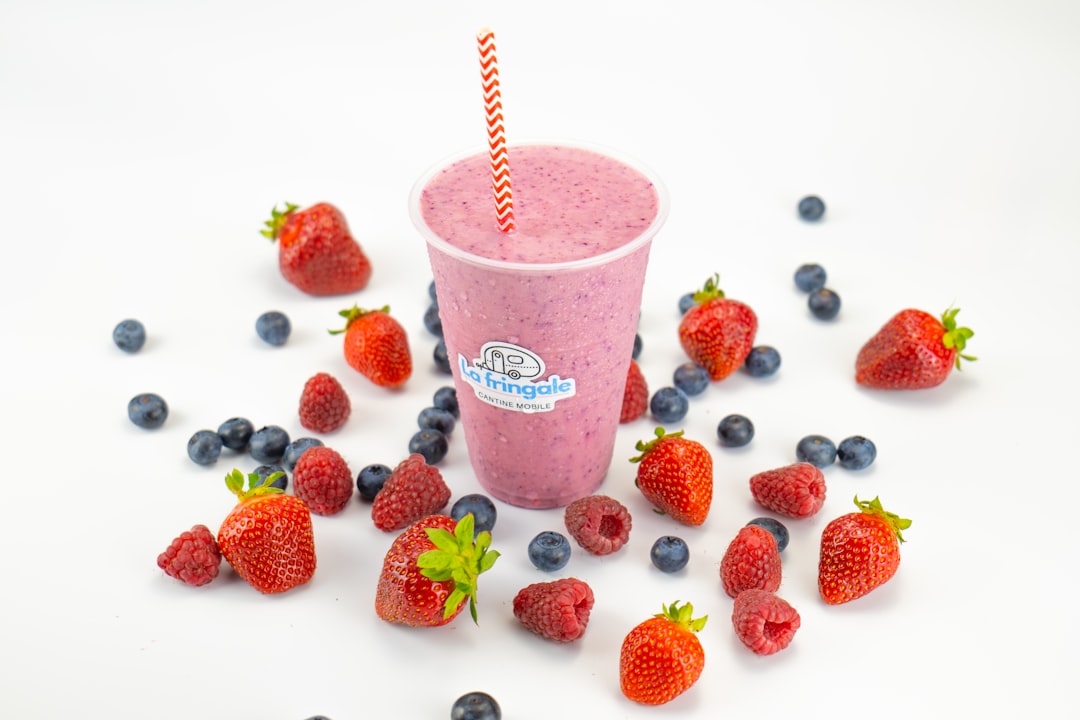
Smoothie (berry protein)
Rated by 11 diets
The diets react (see scores below)
Diet Ratings
Berry smoothies typically contain 20-40g net carbs from fruit alone, plus added sweeteners and milk. Even with protein powder, carb load exceeds keto limits. Whole berries in small portions are preferable to smoothies.
Berry smoothies with protein are vegan-compliant only if using plant-based protein powder and non-dairy milk. Many commercial versions contain whey or dairy.
Some vegans consider protein smoothies acceptable if made with vegan protein sources, while others view processed protein powders as overly processed regardless of source.
Smoothies depend entirely on ingredients. Berries and whole fruits are paleo-approved, but 'protein' powders often contain additives, sweeteners, or are whey-based (dairy). Quality varies significantly.
Some paleo practitioners accept whey protein isolate (minimal lactose/casein) as acceptable, while strict paleo excludes all dairy derivatives and prefers whole food protein sources.
Berry smoothies with protein can be Mediterranean-compatible if made with whole fruits, yogurt, and without added sugars or processed protein powders. However, many commercial or protein-powder-based smoothies contain added sugars and processed ingredients. Quality matters significantly; homemade versions with whole ingredients are preferable.
Some Mediterranean diet practitioners view smoothies as acceptable convenience foods when made with whole fruits and minimal processing. Others argue the diet emphasizes whole foods eaten in their natural form rather than blended preparations.
Berry smoothies contain fruit (plant-derived), and protein powder is typically plant-based or contains plant additives. Violates carnivore exclusion of all plant foods and processed ingredients.
Depends entirely on ingredients. If made with whole berries, eggs or compliant protein powder, and no added sugar, it's compliant. However, most commercial protein powders contain additives, and smoothies can become a meal-replacement junk food that violates program spirit.
Melissa Urban discourages smoothies as they can become a crutch for not eating whole foods and may violate the spirit of the program. However, homemade smoothies with whole ingredients and compliant protein are technically acceptable. Community debate centers on whether smoothies encourage unhealthy eating patterns.
Berry smoothie FODMAP status depends on specific berries and protein source. Strawberries and blueberries are low-FODMAP in moderation (1 cup), but blackberries and raspberries contain polyols. Protein powder type matters: whey isolate is low-FODMAP; plant-based may contain high-FODMAP legumes. Milk base and added sweeteners are critical.
Monash has tested individual berries but not comprehensive smoothie recipes. Practitioners note that smoothies concentrate fruit volume, increasing FODMAP load beyond single-fruit servings. Portion control and ingredient verification are essential.
Berry smoothies with protein can be DASH-compliant if made with low-fat yogurt, fresh berries, and unsweetened protein powder. However, many commercial smoothies contain added sugars (200-400mg per serving) and high sodium. Homemade versions are preferable; commercial versions require careful label review.
Macronutrient profile depends entirely on recipe. Typical berry smoothie (1 cup berries, 1 scoop whey protein, 1 cup unsweetened almond milk) = 20-25g carbs, 25g protein, 3g fat. Requires added fat (1 tbsp almond butter or olive oil ≈ 9g fat) to achieve 40/30/30 ratio. Berries are low-glycemic but portion-sensitive; whole fruits preferred over juice.
Dr. Sears prefers whole foods over blended beverages due to satiety and glycemic response differences. Smoothies may cause faster glucose spike than whole fruit despite identical macros. Some practitioners recommend limiting to 1 per week.
Berries are antioxidant-rich with anthocyanins and polyphenols. Protein supports satiety and muscle health. Assumes whole fruit base, minimal added sugar, and quality protein source (whey, plant-based without additives). Excellent anti-inflammatory beverage if prepared without refined sugars or high-fructose syrups.
A well-formulated berry protein smoothie (20-30g protein powder, 1 cup berries, unsweetened almond milk, optional Greek yogurt) delivers high protein density, fiber from berries, low fat, easy digestibility, and nutrient density. Berries are low-glycemic and rich in antioxidants. Ideal for small-portion meals. Avoid added sugars or high-fat ingredients.
Nutritional profile
Six traits that cut across every diet.
Fiber & Plants
How much whole-plant food and fiber it delivers.
Healthy Fats
The quality of its fats (unsaturated, omega-3).
Whole / Unprocessed
How close it is to its natural, unprocessed form.
Gut Gentle
How easy it is on digestion (low FODMAP, few irritants).
Low Glycemic
How little it spikes your blood sugar.
Protein Density
How much protein it packs per calorie.
Controversy Index
Score range: 1–8/10. Higher controversy = more disagreement between diets.
Diet-Specific Tips for Smoothie (berry protein)
 Vegan — 5/10
- Protein source must be plant-based (pea, hemp, soy)
- Milk must be non-dairy alternative
- Check for added honey or gelatin
- Verify no whey or casein
 Paleo — 5/10
- Protein powder source critical
- Added sugars/sweeteners likely
- Additives and fillers common
- Whole fruit base is paleo-friendly
 Mediterranean — 5/10
- depends on ingredients
- processed protein powders problematic
- added sugars common
- whole fruit base acceptable
 Whole30 — 5/10
- Depends on protein source
- Homemade vs commercial
- Risk of added sugar in protein powder
- Spirit of program concerns
 Low-FODMAP — 4/10
- Berry type determines FODMAP status
- Blackberries/raspberries contain polyols
- Protein powder source critical
- Milk type and lactose content
- Added sweeteners and honey problematic
- Concentrated fruit increases FODMAP load
 DASH — 6/10
- depends on ingredients and preparation
- added sugar risk in commercial versions
- protein supports satiety
- berries provide antioxidants and fiber
 Zone — 5/10
- Recipe-dependent macros
- Requires fat addition
- Glycemic response faster than whole fruit
- Portion-sensitive carbs
 Anti-Inflammatory — 8/10
- berry anthocyanins and polyphenols
- protein content
- whole fruit base
- minimal added sugar
 GLP-1 Friendly — 5/10
- high protein density
- fiber from berries
- low glycemic impact
- easy to digest
- portion-friendly