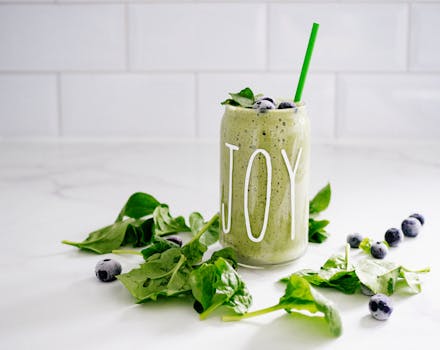
The diets react (see scores below)
Diet Ratings
Typical green smoothies contain 20-40g net carbs from fruits (banana, mango, berries) and yogurt. Even 'healthy' versions with spinach cannot offset the carb load from blended fruits.
Green smoothies made from vegetables, fruits, and plant-based liquids are fully vegan. Score depends on ingredients; whole-food versions score highest.
A green smoothie typically contains leafy greens (approved) but blending removes fiber structure and concentrates sugars from fruits. Paleo practitioners prefer whole vegetables and fruits to maintain satiety and stable blood sugar.
Some paleo practitioners accept green smoothies as convenient nutrient delivery, particularly if made with low-sugar vegetables and minimal fruit. However, the mainstream paleo position favors whole foods.
Depends heavily on ingredients and preparation. Whole vegetables/fruits blended with water acceptable, but commercial smoothies often contain added sugars, yogurt, or sweeteners. Homemade versions with whole ingredients preferred.
Some Mediterranean diet practitioners view smoothies as convenient ways to consume multiple servings of vegetables and fruits, particularly when made with whole ingredients and no added sugars.
Blended plant foods (leafy greens, fruits, vegetables). Completely plant-based with no animal products. Directly contradicts all carnivore principles.
A green smoothie made from whole fruits and vegetables is technically compliant, but Whole30 discourages blended foods as they can bypass satiety signals. The spirit of the program emphasizes whole foods. If made with only compliant ingredients and no added sugar, it is technically allowed but not ideal.
Melissa Urban has stated that smoothies, while technically compliant if made with whole foods, test the spirit of Whole30 because blending can reduce satiety and encourage overconsumption. Some community members argue whole-food smoothies are acceptable; others align with the program's preference for eating whole foods.
Green smoothies typically contain high-FODMAP ingredients: spinach (moderate fructans), fruit (excess fructose/polyols), and often honey, yogurt, or milk. Combination creates significant FODMAP load.
Some low-FODMAP practitioners suggest a carefully constructed green smoothie with spinach, banana, and low-FODMAP fruit (blueberries) in small portions may be tolerated, but standard commercial/homemade versions exceed safe limits.
Whole fruits and vegetables provide fiber, potassium, magnesium, and antioxidants. Core DASH food when made without added sugars or full-fat dairy. Excellent nutrient density.
Highly variable depending on ingredients. Typical green smoothie contains spinach/kale (low-glycemic), but often includes fruit (banana, mango) pushing carbs high. Lacks sufficient protein and fat unless specifically formulated. Requires careful ingredient selection and portion control to achieve 40/30/30 balance. Whole vegetables preferred over blended.
Some Zone practitioners accept green smoothies if formulated with protein powder, monounsaturated fat (almond butter), and minimal fruit. Dr. Sears generally prefers whole vegetables for satiety and fiber.
Green smoothies with leafy greens (spinach, kale), antioxidant fruits, and omega-3 sources (flax, hemp, chia) are anti-inflammatory powerhouses. High in polyphenols, fiber, and micronutrients. Quality depends on ingredients and added sugars.
Depends heavily on ingredients. A green smoothie with spinach, protein powder, and low-sugar fruit can provide 20-30g protein and fiber — excellent. But typical commercial or homemade versions often contain added sugar, yogurt, fruit juice, or nut butters that push fat/sugar too high. Liquid calories are less satiating than whole foods. Portion-sensitive: 8-12oz max. Blending removes fiber structure, reducing satiety compared to eating whole vegetables.
Some RDs recommend green smoothies as convenient protein delivery for patients struggling with solid food intake early on GLP-1. Others argue whole foods (eggs, Greek yogurt, vegetables) are superior because they require chewing and provide better satiety signals.
Nutritional profile
Six traits that cut across every diet.
Fiber & Plants
How much whole-plant food and fiber it delivers.
Healthy Fats
The quality of its fats (unsaturated, omega-3).
Whole / Unprocessed
How close it is to its natural, unprocessed form.
Gut Gentle
How easy it is on digestion (low FODMAP, few irritants).
Low Glycemic
How little it spikes your blood sugar.
Protein Density
How much protein it packs per calorie.
Controversy Index
Score range: 1–8/10. Higher controversy = more disagreement between diets.
Diet-Specific Tips for Smoothie (green)
 Vegan — 8/10
- Plant-based ingredients
- Whole foods preferred
- No animal products
- Ingredient-dependent quality
 Paleo — 5/10
- Fiber removed
- Sugar concentration
- Nutrient-dense
- Satiety reduced
 Mediterranean — 6/10
- Ingredient-dependent
- Fiber retention variable
- Added sugar risk
- Homemade vs. commercial difference
- Portion control important
 Whole30 — 5/10
- Blended food format
- Technically compliant if no added sugar
- Tests satiety principle
- Depends on ingredients
 DASH — 8/10
- High fiber
- Rich in potassium
- Whole food base
- Antioxidant content
 Zone — 5/10
- Ingredient-dependent macros
- Often fruit-heavy
- Lacks satiety of whole foods
- Requires protein/fat addition
- Glycemic load variable
 Anti-Inflammatory — 8/10
- leafy greens (high polyphenols)
- antioxidant fruits
- potential omega-3 sources
- fiber content
- avoid added sugars and sweeteners
 GLP-1 Friendly — 5/10
- ingredient-dependent
- liquid calories
- reduced satiety vs. whole foods
- potential hidden sugar
- protein delivery convenience