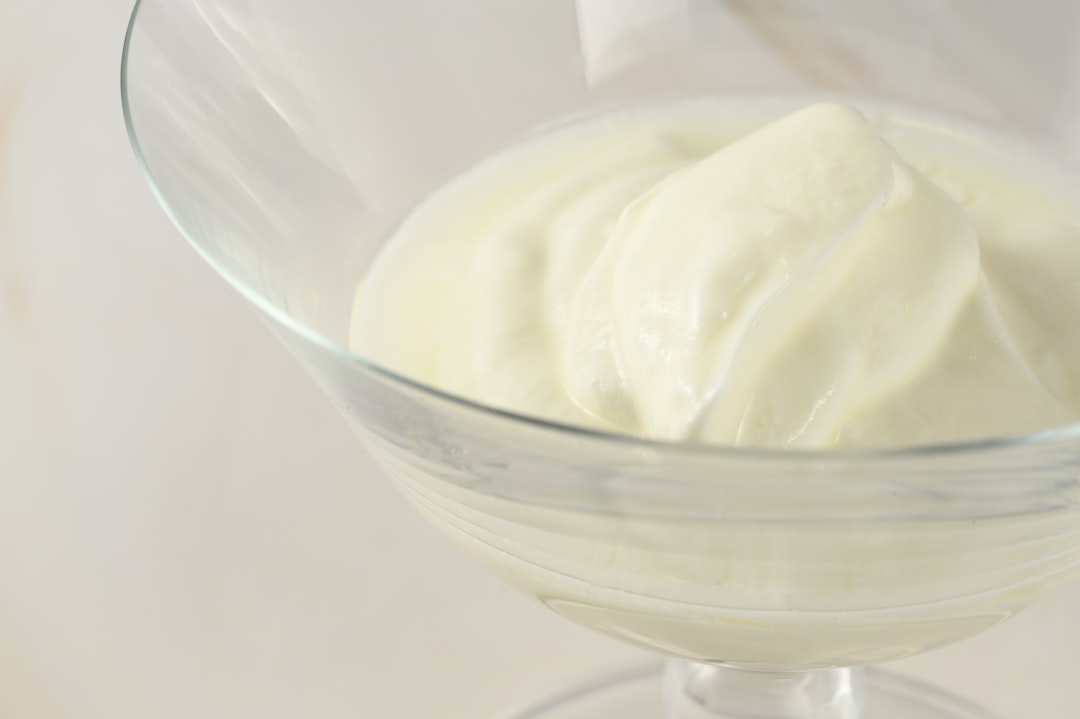
The diets react (see scores below)
Diet Ratings
Sour cream is excellent for keto with only 1-2g net carbs per 2 tablespoons and high fat content (5g per 2 tbsp). Minimal lactose due to fermentation. Ideal for adding fat and flavor to meals.
Dairy product made from cream fermented with lactic acid bacteria. Contains casein and whey proteins from animal sources.
Dairy product. Fermentation does not eliminate casein or make it paleo-compliant. Paleo excludes all dairy.
High in saturated fat with minimal nutritional benefit beyond fat content. Not a traditional Mediterranean ingredient. Better alternatives exist for dairy servings.
Full-fat dairy product with lower lactose than milk, but contains additives in most commercial versions. Accepted by many carnivore practitioners but excluded by strict dairy-free adherents.
Strict meat-only carnivores exclude sour cream as dairy. Some practitioners prefer it over milk due to lower lactose, but Lion Diet followers exclude all dairy products.
Sour cream is a dairy product explicitly excluded during the 30-day Whole30 elimination phase. All forms of dairy are not permitted.
Sour cream contains lactose but in lower amounts than milk due to fermentation. Monash University rates it as low-FODMAP at restricted portions (2 tablespoons/30g), with higher amounts becoming high-FODMAP.
Clinical practitioners may recommend stricter avoidance during elimination; Monash University permits 2 tablespoons as low-FODMAP, but ¼ cup exceeds limits.
High in saturated fat (2.8g per tablespoon) and calories. Full-fat dairy product. Minimal nutritional benefit beyond fat content. DASH guidelines recommend limiting full-fat dairy products.
High saturated fat (3g per tablespoon) with minimal protein (0.4g per tablespoon). Functions as a fat block only, not a protein source. Low-fat varieties slightly better but still limited utility in Zone meal construction.
High in saturated fat with minimal nutritional benefit. Full-fat dairy product without the probiotic advantages of fermented foods. Should be avoided in anti-inflammatory diet; Greek yogurt or kefir are superior alternatives.
Sour cream is 90% fat by calories with minimal protein (1g per tbsp) and no fiber. High fat content directly triggers nausea, bloating, and reflux. Minimal nutritional value. Not suitable for GLP-1 patients.
Nutritional profile
Six traits that cut across every diet.
Fiber & Plants
How much whole-plant food and fiber it delivers.
Healthy Fats
The quality of its fats (unsaturated, omega-3).
Whole / Unprocessed
How close it is to its natural, unprocessed form.
Gut Gentle
How easy it is on digestion (low FODMAP, few irritants).
Low Glycemic
How little it spikes your blood sugar.
Protein Density
How much protein it packs per calorie.
 DASH+3
 Anti-Inflammatory+3
 GLP-1 Friendly+2
 Keto−4
Similar on the other 7 diets
Swaps into 64 dishes
Controversy Index
Score range: 1–9/10. Higher controversy = more disagreement between diets.
Diet-Specific Tips for Sour cream
Keto — 9/10- 1-2g net carbs per 2 tablespoons
- High fat content
- Fermentation reduces lactose
- Versatile keto ingredient
 Carnivore — 5/10
- Full-fat animal product
- Lower lactose than milk
- Often contains additives and stabilizers
- Casein and whey proteins present
 Low-FODMAP — 5/10
- Fermented dairy with residual lactose
- Portion cutoff at 2 tablespoons
- Lactose content significant above limit
 Zone — 5/10
- High saturated fat
- Negligible protein
- Minimal carbohydrates
- Best used as condiment in small amounts