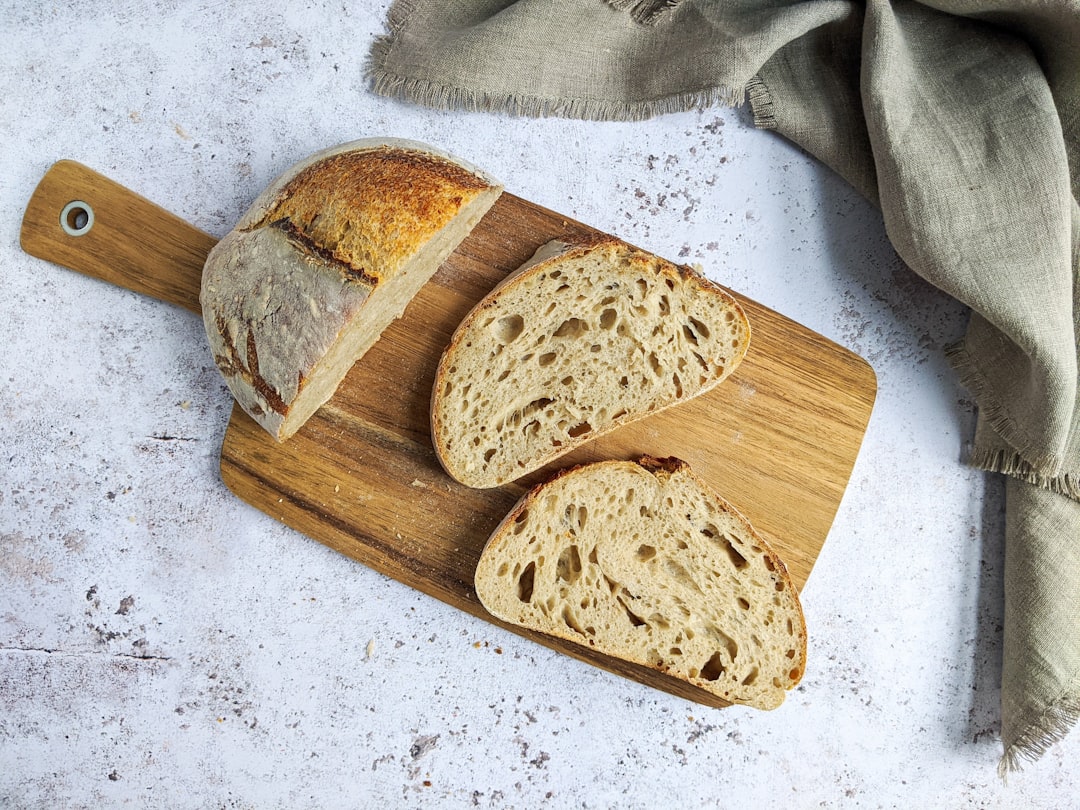
The diets react (see scores below)
Diet Ratings
Sourdough contains ~35-40g net carbs per 100g. While fermentation reduces some antinutrients, net carb content remains too high for ketosis. Grain-based incompatibility overrides fermentation benefits.
Plant-based fermented bread made from flour, water, salt, and sourdough starter (wild yeast and bacteria). Fermentation improves digestibility. Verify no dairy or honey additions.
Despite fermentation reducing some anti-nutrients, sourdough is still a grain-based bread product made from wheat. Grains are fundamentally excluded from paleo diet regardless of preparation method.
Whole grain sourdough offers fermentation benefits that improve digestibility and nutrient bioavailability. Lower glycemic impact than standard bread. Aligns with Mediterranean whole grain principles.
Despite fermentation, sourdough is still a grain-based bread product derived from plants. Fermentation does not change its plant origin or make it compatible with carnivore diet.
Sourdough bread contains grains (wheat) and is a baked good. The fermentation process does not make it Whole30-compliant. Bread-making violates the program's spirit.
Sourdough fermentation reduces fructan content compared to regular wheat bread, but Monash testing shows variable results depending on fermentation duration. Generally low-FODMAP at 1-2 slices but portion-dependent.
Monash University data shows sourdough can be low-FODMAP at restricted portions (1-2 slices), but clinical practitioners note fermentation duration and starter culture significantly affect FODMAP content. Long fermentation (>24 hours) reduces fructans more effectively.
Fermentation may improve bioavailability and reduce glycemic impact compared to standard white bread. However, typically still refined grain unless whole grain sourdough. Sodium content variable by brand. NIH DASH guidelines do not specifically endorse sourdough; updated clinical interpretation suggests modest benefits from fermentation.
NIH DASH guidelines emphasize whole grains without specific sourdough distinction. Updated clinical interpretation recognizes fermentation may improve mineral absorption and glycemic response, but whole grain sourdough is preferable to refined sourdough.
Fermentation lowers glycemic index compared to standard bread. Some Zone practitioners view sourdough more favorably due to reduced gluten and improved digestibility. Still a grain-based carb requiring portion control (1 slice ≈ 1 carb block).
Dr. Sears' core writings emphasize vegetables over all grains. Later discussions acknowledge sourdough's lower glycemic impact, but it remains secondary to vegetable carbs in Zone protocol.
Fermentation process reduces phytic acid and improves nutrient bioavailability, plus lower glycemic impact than standard white bread. However, if made from refined flour, still lacks fiber and polyphenols of whole grain. Whole grain sourdough is superior.
Dr. Weil acknowledges sourdough's fermentation benefits, but emphasizes that whole grain sourdough is preferable. Some gut health experts prioritize the fermentation benefits for microbiome support.
Fermentation lowers glycemic index and may improve digestibility compared to standard white bread. Contains 2-3g fiber and 4-5g protein per slice. However, still a refined grain product with moderate carb load. Some GLP-1 patients tolerate sourdough better due to reduced FODMAP content and easier digestion.
Some RDs recommend sourdough as acceptable in moderation due to fermentation benefits and lower glycemic response, while others view it as still too carb-heavy and low-protein for GLP-1 patients with reduced appetite capacity.
Nutritional profile
Six traits that cut across every diet.
Fiber & Plants
How much whole-plant food and fiber it delivers.
Healthy Fats
The quality of its fats (unsaturated, omega-3).
Whole / Unprocessed
How close it is to its natural, unprocessed form.
Gut Gentle
How easy it is on digestion (low FODMAP, few irritants).
Low Glycemic
How little it spikes your blood sugar.
Protein Density
How much protein it packs per calorie.
Controversy Index
Score range: 1–8/10. Higher controversy = more disagreement between diets.
Diet-Specific Tips for Sourdough bread
 Vegan — 8/10
- Fermented grain
- Plant-based
- Improved bioavailability
- Check for additives
 Mediterranean — 8/10
- fermented
- improved digestibility
- lower glycemic response
- whole grain option available
 Low-FODMAP — 6/10
- Fermentation reduces fructans
- Fermentation duration critical
- 1-2 slices typically safe
- Variable by bakery/method
 DASH — 6/10
- Fermentation may improve bioavailability
- Often refined grain
- Variable sodium by brand
- Whole grain sourdough preferred
 Zone — 6/10
- Fermentation reduces glycemic load
- Lower gluten content
- Improved digestibility
- Still grain-based
 Anti-Inflammatory — 5/10
- fermentation reduces antinutrients
- lower glycemic index than white bread
- quality depends on grain type
- whole grain version preferred
 GLP-1 Friendly — 5/10
- fermented grain
- lower glycemic index than white bread
- improved digestibility
- moderate fiber
- low protein density