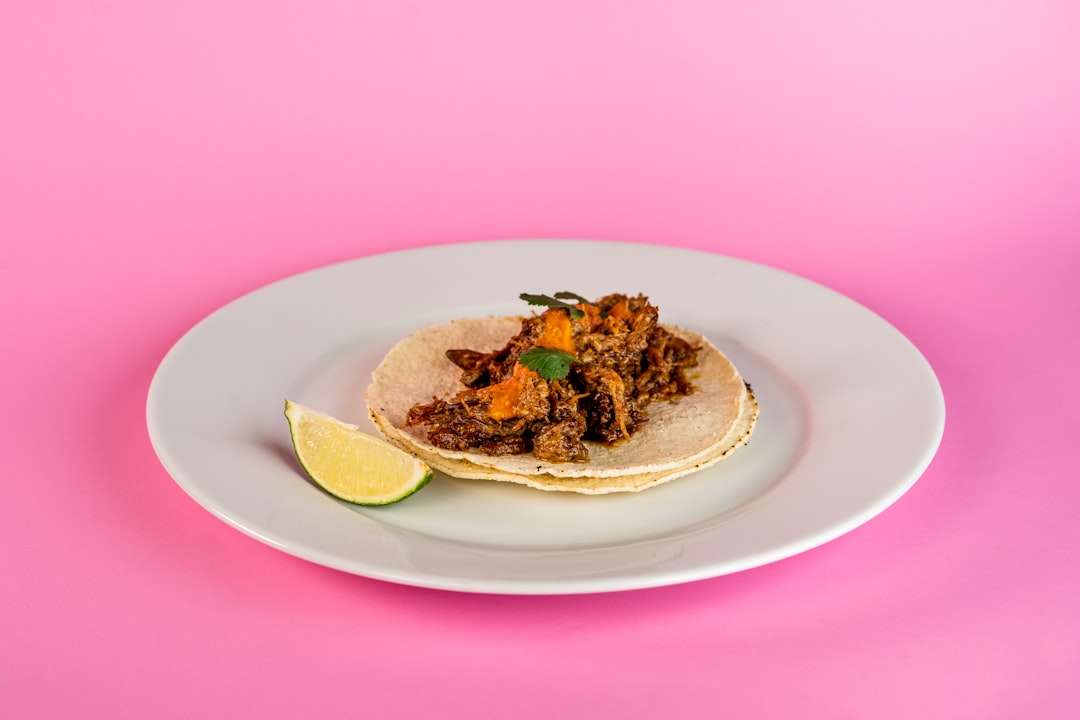
The diets react (see scores below)
Diet Ratings
Soy chorizo typically contains 2-4g net carbs per 55g serving due to soy protein isolate, spices, and binders. Lower carb than traditional chorizo but requires portion control. Meat-based chorizo is preferred for keto.
Some keto practitioners avoid soy products entirely due to concerns about phytoestrogens and processing, while mainstream keto allows soy chorizo as a low-carb alternative within carb limits.
Plant-based but heavily processed with added oils, spices, and binders. Vegan-compliant but lacks whole-food integrity. Verify no animal-derived additives.
Soy chorizo is made from soy (legume, excluded) and is heavily processed with additives, spices, and binders. Meat-based chorizo is the paleo alternative.
Processed plant-based meat substitute. While plant-based aligns with Mediterranean emphasis, processing and added ingredients reduce whole-food status. Traditional Mediterranean uses minimal processed meats; whole legumes preferred.
Modern Mediterranean diet practitioners may accept soy chorizo as sustainable alternative to processed meat; traditionalists prefer whole legumes or minimal processed chorizo in small quantities.
Soy chorizo is soy-based (plant legume) with plant-derived ingredients and additives. Despite mimicking meat, it is entirely plant-derived and explicitly excluded from carnivore diet.
Soy chorizo is made from soy (legume, excluded). Additionally, it is a processed meat product that may contain other excluded ingredients such as added sugar or non-compliant additives.
Soy protein base is low-FODMAP, but chorizo seasonings typically include garlic and onion powder—both high-FODMAP. Spice blends and additives vary by brand; ingredient verification is essential.
Monash University rates soy as low-FODMAP, but commercial soy chorizo products contain garlic and onion powder as primary seasonings. Clinical practitioners recommend checking ingredient labels; some brands may use garlic-infused oil (low-FODMAP) instead of garlic powder, making them safer.
Plant-based alternative to processed meat. Lower saturated fat than pork chorizo, but often high in sodium and spices. Processed nature and sodium content require moderation.
Updated clinical interpretation views soy chorizo as acceptable occasional substitute for red/processed meat; however, NIH DASH guidelines recommend whole plant proteins (legumes, tofu) over processed meat alternatives.
Processed soy product with added spices, oils, and often hidden carbs (2-4g per 2oz serving). Protein content ~12g per serving but fat often from seed oils (omega-6 heavy). Requires label verification and careful portioning.
Dr. Sears emphasizes whole-food proteins and warns against processed meat alternatives. Soy chorizo's processing and omega-6 profile conflict with anti-inflammatory Zone goals.
Processed soy product with added spices (potentially anti-inflammatory) but often contains added oils, sodium, and preservatives. Whole soy foods (tofu, tempeh, edamame) are preferred. Processing reduces whole food benefits.
Some practitioners accept soy chorizo as convenient plant-based alternative to inflammatory red meat chorizo. However, processing and sodium content remain concerns versus whole soy foods.
Good protein (12-14g per serving), plant-based, low saturated fat compared to meat chorizo. However, often contains added oils and spices that may trigger reflux or nausea in sensitive patients. Sodium content is typically high. Works as occasional flavoring component but shouldn't be primary protein source due to fat and spice content.
Some GLP-1 practitioners view soy chorizo as an acceptable occasional protein source with better fat profile than meat alternatives. Others caution that the spice blend and added oils make it problematic for patients with active GI side effects, recommending it only after tolerance improves.
Nutritional profile
Six traits that cut across every diet.
Fiber & Plants
How much whole-plant food and fiber it delivers.
Healthy Fats
The quality of its fats (unsaturated, omega-3).
Whole / Unprocessed
How close it is to its natural, unprocessed form.
Gut Gentle
How easy it is on digestion (low FODMAP, few irritants).
Low Glycemic
How little it spikes your blood sugar.
Protein Density
How much protein it packs per calorie.
Controversy Index
Score range: 1–6/10. Higher controversy = more disagreement between diets.
Diet-Specific Tips for Soy chorizo
 Keto — 4/10
- 2-4g net carbs per 55g serving
- Soy-based (processed protein isolate)
- Added spices and binders increase carbs
- Meat-based chorizo is lower-carb alternative
 Vegan — 5/10
- Plant-based base
- Highly processed
- Added oils and preservatives
- Verify vegan certification
 Mediterranean — 5/10
- processed product
- plant-based
- added ingredients
- whole legumes traditionally preferred
 Low-FODMAP — 5/10
- Soy protein base is low-FODMAP
- Garlic powder is high-FODMAP
- Onion powder is high-FODMAP
- Brand-specific ingredient variation
 DASH — 5/10
- High sodium
- Processed food
- Plant-based protein
- Spice content variable
 Zone — 4/10
- Processed soy product
- Hidden carbs
- Omega-6 seed oils
- Label verification critical
 Anti-Inflammatory — 5/10
- processed soy product
- added sodium
- preservatives
- added oils
 GLP-1 Friendly — 6/10
- good protein
- plant-based
- lower saturated fat than meat
- added oils
- spiced (reflux risk)
- high sodium
- occasional use only