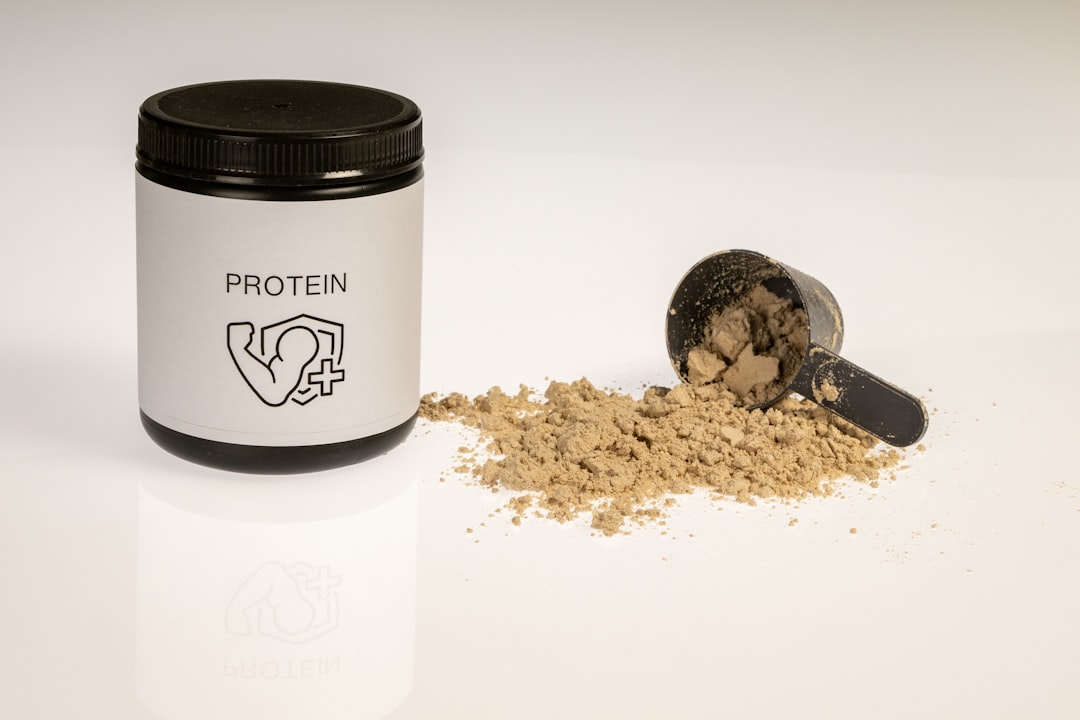
The diets react (see scores below)
Diet Ratings
Very low carbs (1-2g per serving) and high protein, but soy is processed and some keto practitioners avoid it due to phytoestrogen content and potential insulin response. Acceptable for most but debated.
Strict paleo-keto and some clinical keto protocols avoid soy entirely due to concerns about phytoestrogens and processing, preferring animal-based protein sources.
Pure soy protein powder is plant-based, minimally processed relative to other protein powders, and provides complete amino acids. Whole-food advocates prefer it over synthetic alternatives.
Soy is a legume, explicitly excluded from paleo diet. Soy protein powder is a processed legume product with anti-nutrients and phytoestrogens. No paleo authority approves soy consumption.
Soy is not traditional to Mediterranean cuisine, and the powdered form is highly processed. However, soy provides plant-based protein and some Mediterranean regions have adopted it. Whole soy foods (tofu, tempeh) are preferable to isolates.
Modern Mediterranean diet adaptations in diverse populations increasingly incorporate soy protein as a sustainable plant-based alternative, though traditional Mediterranean regions rarely use soy products.
Soy is a plant legume and completely excluded from carnivore diet. Protein powder form does not change its plant origin. Violates core carnivore principle of animal-only foods.
Soy is explicitly excluded on Whole30. Soy protein powder is derived from soybeans, a legume, and is non-compliant regardless of processing.
Soy protein isolate is low-FODMAP per Monash University testing. The isolation process removes oligosaccharides (GOS), making it suitable for low-FODMAP diet at standard serving sizes (1-2 scoops).
Excellent plant-based protein source aligned with DASH emphasis on legumes and plant proteins. Low sodium, no saturated fat, rich in potassium and magnesium. Supports cardiovascular health and blood pressure reduction. Minimal processing when unflavored.
Provides complete protein (~20-25g per serving) with low carbs. However, soy is high in omega-6 and phytoestrogens. Zone diet doesn't exclude soy but emphasizes omega-3 balance. Works in moderation but not ideal primary protein.
Some Zone practitioners prefer animal-based proteins to minimize omega-6 load. Dr. Sears' later writings acknowledge soy as usable but secondary to fish/poultry.
Whole soy foods are emphasized in anti-inflammatory diet. Soy protein powder retains isoflavones and polyphenols with anti-inflammatory properties. Complete protein with favorable omega-3 to omega-6 ratio. Choose minimally processed versions.
Complete plant-based protein with all essential amino acids (20-25g per serving). Low fat, nutrient-dense, easy to digest, mixes well into shakes or oatmeal. Supports muscle preservation during weight loss. No GI side effects reported in GLP-1 population.
Nutritional profile
Six traits that cut across every diet.
Fiber & Plants
How much whole-plant food and fiber it delivers.
Healthy Fats
The quality of its fats (unsaturated, omega-3).
Whole / Unprocessed
How close it is to its natural, unprocessed form.
Gut Gentle
How easy it is on digestion (low FODMAP, few irritants).
Low Glycemic
How little it spikes your blood sugar.
Protein Density
How much protein it packs per calorie.
Controversy Index
Score range: 1–9/10. Higher controversy = more disagreement between diets.
Diet-Specific Tips for Soy protein powder
 Keto — 5/10
- 1-2g net carbs per serving
- High protein content
- Processed food
- Phytoestrogen content debated
 Vegan — 9/10
- 100% plant-derived
- Complete protein
- Minimal processing for protein powder category
- Widely accepted by all vegan organizations
 Mediterranean — 5/10
- Non-traditional ingredient
- Highly processed isolate
- Plant-based protein source
- Whole soy foods preferred
 Low-FODMAP — 8/10
- Soy protein isolate removes GOS
- Standard serving 25-30g is low-FODMAP
- Monash-tested ingredient
 DASH — 8/10
- complete plant protein
- low sodium
- potassium and magnesium rich
- supports legume intake goals
- no saturated fat
 Zone — 5/10
- Complete protein
- High omega-6 content
- Phytoestrogen concerns
- Omega-3/6 imbalance
 Anti-Inflammatory — 8/10
- Contains isoflavones with anti-inflammatory effects
- Complete amino acid profile
- Polyphenol content
- Choose non-GMO, minimally processed
 GLP-1 Friendly — 8/10
- complete protein
- all essential amino acids
- low fat
- easy to digest
- nutrient-dense