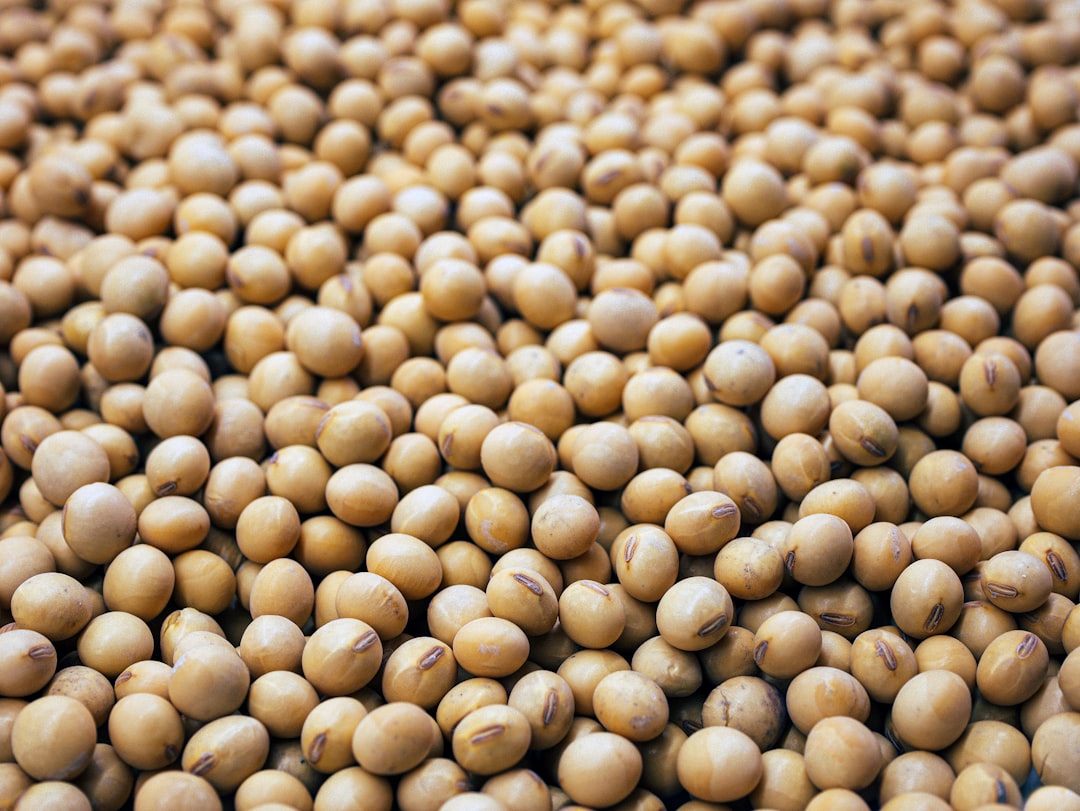
The diets react (see scores below)
Diet Ratings
Cooked soybeans contain ~7g net carbs per 100g cooked serving. Technically low-carb but higher than other keto vegetables. High in plant-based protein and fat. Portion control required.
Strict keto practitioners avoid soybeans due to phytoestrogen content and concerns about processed soy products; some also question the insulin response despite low carbs.
Whole plant legume, complete protein source, minimally processed. Excellent nutritional profile with all essential amino acids. Staple in plant-based diets.
Soybeans are legumes, explicitly excluded from paleo diet. Additionally, they contain high levels of phytic acid and anti-nutrients, and most are genetically modified.
Legume staple rich in plant-based protein, fiber, and micronutrients. Aligns with Mediterranean emphasis on plant-based foods eaten multiple times daily. Whole soybean form preferred over processed derivatives.
Soybeans are legumes (plant-derived) and explicitly excluded from carnivore diet. High in plant compounds and antinutrients incompatible with carnivore principles.
Soy is explicitly excluded from Whole30. Soybeans are legumes and contain soy, which is prohibited for the full 30 days.
Monash rates cooked soybeans as low-FODMAP at 75g (½ cup) serving. Larger portions exceed GOS threshold. Soy products vary: tofu and tempeh are lower-FODMAP alternatives.
Excellent plant-based protein, rich in potassium, magnesium, fiber, and phytonutrients. Low sodium when prepared without added salt. Core DASH legume.
Soybeans provide complete protein and low-glycemic carbs, but are high in omega-6 polyunsaturated fat. Zone diet prefers monounsaturated fats. Usable in moderation with careful fat portioning, but not ideal compared to other legumes.
Whole soy foods are emphasized in anti-inflammatory diet. Rich in plant protein, fiber, isoflavones (polyphenols), and omega-3 fatty acids. Fermented forms (tempeh, miso) offer additional benefits.
Excellent protein density (18g per cooked cup), high fiber (10g per cup), low fat relative to protein, nutrient-dense. Easy to digest when cooked soft. Small portions provide substantial satiety. Ideal GLP-1 companion food.
Nutritional profile
Six traits that cut across every diet.
Fiber & Plants
How much whole-plant food and fiber it delivers.
Healthy Fats
The quality of its fats (unsaturated, omega-3).
Whole / Unprocessed
How close it is to its natural, unprocessed form.
Gut Gentle
How easy it is on digestion (low FODMAP, few irritants).
Low Glycemic
How little it spikes your blood sugar.
Protein Density
How much protein it packs per calorie.
Controversy Index
Score range: 1–9/10. Higher controversy = more disagreement between diets.
Diet-Specific Tips for Soybeans
 Keto — 5/10
- 7g net carbs per 100g cooked
- High plant-based protein
- Moderate fat content
- Phytoestrogen concerns in some protocols
 Vegan — 9/10
- Complete protein
- Whole food
- High in fiber
- Versatile preparation
 Mediterranean — 8/10
- plant-based protein
- legume category
- fiber content
- whole food form
 Low-FODMAP — 5/10
- GOS (galacto-oligosaccharides) present
- Strict portion limit: 75g cooked
- Processing affects FODMAP content
 DASH — 9/10
- High protein (18g per cooked cup)
- Rich in potassium and magnesium
- High fiber (10g per cooked cup)
- Low sodium when unsalted
- Contains isoflavones with potential cardiovascular benefits
 Zone — 6/10
- Complete protein source
- Low glycemic index
- High omega-6 content
- Requires fat portion adjustment
 Anti-Inflammatory — 8/10
- complete plant protein
- isoflavones (polyphenols)
- omega-3 fatty acids
- fiber
- whole food form
 GLP-1 Friendly — 8/10
- high protein density
- high fiber
- low fat relative to protein
- nutrient-dense
- easy to digest when cooked