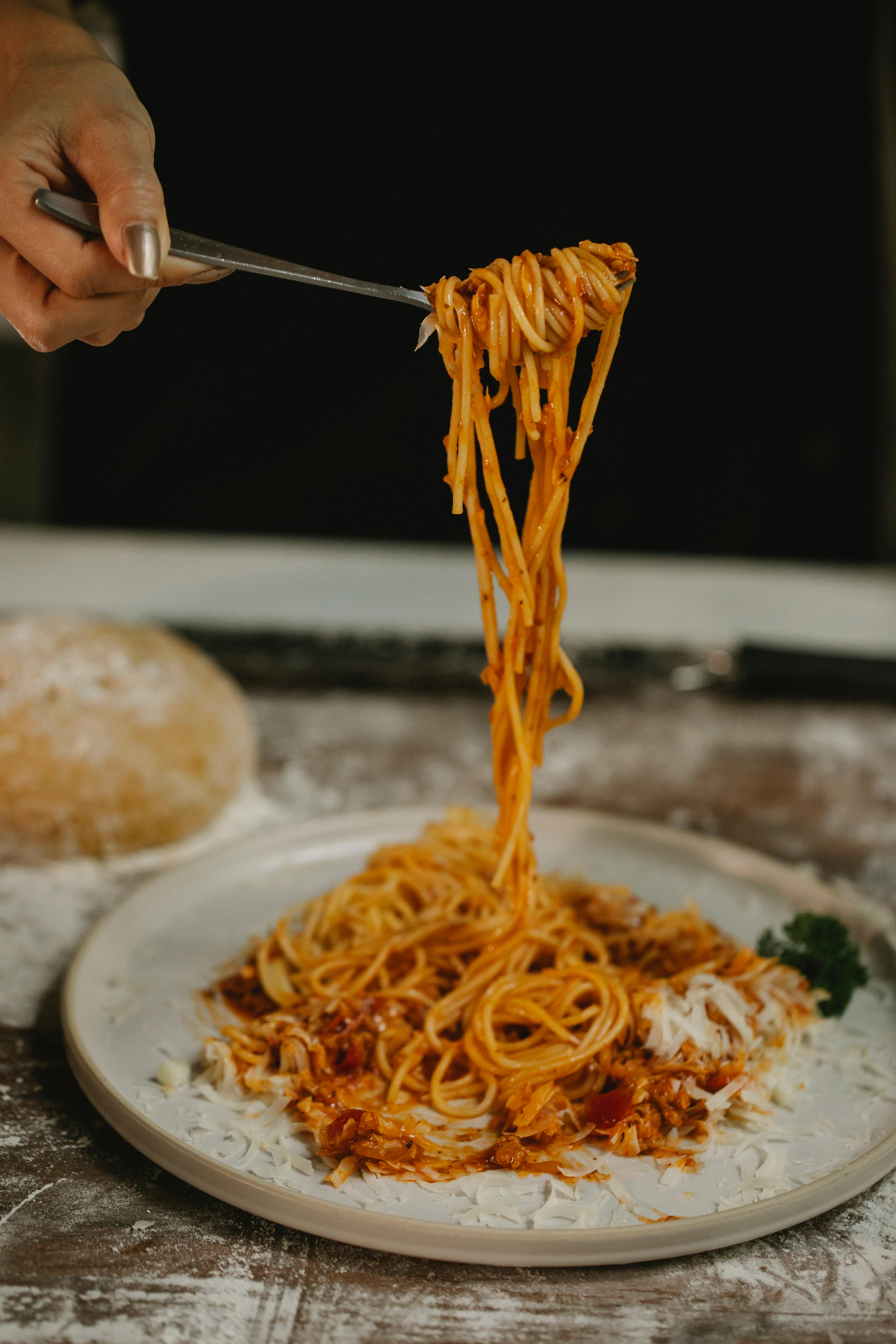
The diets react (see scores below)
Diet Ratings
Spaghetti squash contains only 5.5g net carbs per 100g cooked. Its low carb density, high water content, and fiber make it an excellent pasta substitute for keto. Widely embraced as a staple vegetable.
Whole plant food, unprocessed, no animal products or derivatives. Excellent whole-food vegan staple.
Non-starchy winter squash available to hunter-gatherers. Low carbohydrate, nutrient-dense, unprocessed. Excellent paleo vegetable with minimal anti-nutrients.
Low-calorie, nutrient-dense vegetable rich in vitamins and minerals. Excellent pasta substitute aligns with Mediterranean emphasis on whole vegetables. Minimal processing, no added ingredients.
Squash is a plant food and excluded on carnivore diet. Despite lower carb reputation in low-carb communities, it remains plant-derived and incompatible with carnivore principles.
Whole, unprocessed vegetable with no excluded ingredients. Commonly recommended as a pasta substitute on Whole30.
Monash University rates spaghetti squash as low-FODMAP at 150g cooked serving. Contains minimal fructans and polyols.
Low-calorie, low-sodium vegetable rich in fiber, potassium, and vitamin C. Minimal processing, no added ingredients. Excellent DASH-compliant pasta substitute.
Excellent low-glycemic vegetable with minimal net carbs (~4g per cup cooked). High fiber, low calorie density. Ideal for Zone vegetable servings. Neutral flavor profile works well as pasta substitute without spiking insulin.
Low-calorie, nutrient-dense vegetable rich in vitamin C, B vitamins, and fiber. Excellent anti-inflammatory properties with minimal inflammatory compounds. Good source of antioxidants and polyphenols. Supports healthy gut microbiome through fiber content.
Excellent low-calorie, high-water-content vegetable (31 calories per 100g, 92% water). Provides 2.2g fiber per cup with minimal carbs (7g per cup). Easy to digest, gentle on the stomach, and works as a pasta substitute to reduce overall calorie intake while maintaining meal satisfaction. Nutrient-dense per calorie.
Nutritional profile
Six traits that cut across every diet.
Fiber & Plants
How much whole-plant food and fiber it delivers.
Healthy Fats
The quality of its fats (unsaturated, omega-3).
Whole / Unprocessed
How close it is to its natural, unprocessed form.
Gut Gentle
How easy it is on digestion (low FODMAP, few irritants).
Low Glycemic
How little it spikes your blood sugar.
Protein Density
How much protein it packs per calorie.
Controversy Index
Score range: 1–9/10. Higher controversy = more disagreement between diets.
Diet-Specific Tips for Spaghetti squash
 Keto — 8/10
- 5.5g net carbs per 100g
- High water and fiber content
- Excellent pasta alternative
- Minimal impact on ketosis
 Vegan — 9/10
- Whole plant food
- Unprocessed
- No animal products
- Nutrient-dense
 Paleo — 9/10
- Winter squash variety
- Low anti-nutrients
- Nutrient-dense
- Unprocessed
 Mediterranean — 8/10
- whole plant food
- low glycemic index
- nutrient-dense
- versatile preparation
 Whole30 — 9/10
- Whole vegetable
- No excluded ingredients
- Popular Whole30 staple
 Low-FODMAP — 8/10
- Low fructan content
- Low polyol content
- Tested by Monash at standard serving
 DASH — 9/10
- very low sodium
- high fiber content
- rich in potassium
- minimal processing
- low glycemic index
 Zone — 8/10
- Low net carbs
- High fiber
- Low glycemic index
- Versatile preparation
 Anti-Inflammatory — 8/10
- High in vitamin C and antioxidants
- Excellent fiber content
- Low glycemic index
- Rich in polyphenols
- Supports gut health
 GLP-1 Friendly — 8/10
- Very low calorie density
- High water content supports hydration
- Good fiber-to-carb ratio
- Easy to digest
- Versatile pasta substitute