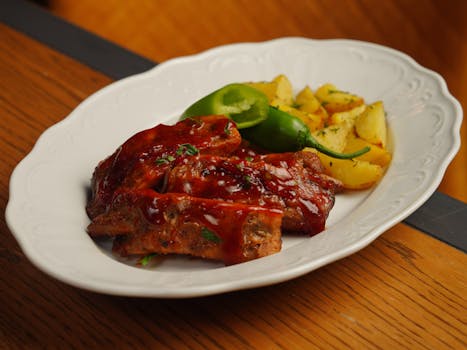
The diets react (see scores below)
Diet Ratings
Sugar-free BBQ sauce varies dramatically by brand and sweetener type. Most contain 1-3g net carbs per 2 tablespoons when using sugar alcohols (erythritol, xylitol). However, some brands use higher-carb sweeteners or contain hidden carbs from tomato base. Effectiveness depends entirely on sweetener choice and individual carb tolerance.
Strict keto practitioners avoid all sugar-free sauces due to concerns about artificial sweeteners triggering insulin response or carb cravings; mainstream keto accepts verified low-carb brands with erythritol or monk fruit as compatible with portion control.
Plant-based condiment base, but sugar-free versions often contain honey as sweetener or anchovies for umami. Ingredient verification essential; many brands are vegan but not all.
Some vegans avoid all commercial BBQ sauces due to frequent use of honey, Worcestershire sauce (anchovies), or other animal-derived ingredients in sugar-free formulations.
Sugar-free BBQ sauce typically contains artificial sweeteners, thickeners, and additives. While it avoids refined sugar, the synthetic ingredients and processing contradict paleo philosophy. Homemade versions with compliant ingredients would score higher.
Some paleo practitioners accept sugar-free sauces with approved sweeteners (monk fruit, stevia) as acceptable in moderation. However, strict paleo avoids artificial additives and processed condiments entirely.
Sugar-free BBQ sauce avoids added sugars but typically contains processed ingredients, artificial sweeteners, and additives. While better than regular BBQ sauce, it remains a processed condiment not aligned with whole-food Mediterranean principles.
Some modern Mediterranean diet practitioners accept sugar-free BBQ sauce as an occasional condiment when made with minimal additives, though whole-food alternatives like fresh tomato-based sauces are preferred.
BBQ sauce typically contains plant-derived ingredients (tomatoes, spices, vinegar) and artificial sweeteners. Even sugar-free versions contain plant-based components explicitly excluded from carnivore diet.
Sugar-free BBQ sauces typically use artificial sweeteners (sucralose, erythritol, etc.). Per 2024 Whole30 rule change, artificial sweeteners are NO LONGER excluded, making this technically compliant. However, it remains a processed condiment that may test the spirit of whole foods.
While artificial sweeteners are now officially allowed per 2024 Whole30 updates, some community members still avoid them as inconsistent with whole-food philosophy. Official Whole30 now permits them.
Sugar-free BBQ sauces typically contain polyol sweeteners (sorbitol, xylitol, maltitol) and often garlic or onion. Polyols are high-FODMAP. Even if sweetener is not polyol-based, most BBQ sauces contain garlic or onion. Monash rates polyols as high-FODMAP.
Monash University rates polyol sweeteners as high-FODMAP. However, some sugar-free sauces use stevia or erythritol (lower-FODMAP alternatives). Clinical practitioners recommend checking both sweetener type and garlic/onion content. Ingredient verification is essential.
Sodium content typically moderate to high (300-500mg per 2 tablespoons). Sugar-free formulation reduces added sugar concern, but sodium remains problematic. Artificial sweeteners present. Acceptable in small portions with sodium accounting.
NIH DASH guidelines emphasize sodium reduction; however, updated clinical interpretation acknowledges that sugar-free formulations may be preferable to regular BBQ sauce for some patients. Sodium content still requires monitoring.
Depends entirely on sweetener used and carb content. Sugar alcohols (erythritol, xylitol) have minimal glycemic impact; aspartame/sucralose are non-caloric. Most sugar-free BBQ sauces contain ~1-2g net carbs per 2 tbsp. Acceptable in moderation if sweetener is non-glycemic. Verify label; some contain hidden carbs or seed oils.
Dr. Sears' published materials predate widespread sugar-free products. His stance emphasizes whole foods over artificial sweeteners. However, sugar-free options align with Zone carb goals if net carbs are genuinely low.
Avoids added sugars but typically contains seed oils, artificial sweeteners, and additives. Quality varies significantly by brand. Some versions use inflammatory oils; others may contain questionable sweeteners. Check labels carefully. Homemade versions with tomato base and spices preferable.
Some nutritionists accept sugar-free BBQ sauces if made with acceptable oils and sweeteners. However, most commercial versions contain seed oils or artificial additives that conflict with anti-inflammatory principles.
Eliminates sugar but typically contains sugar alcohols (sorbitol, xylitol) which can worsen GI distress in GLP-1 patients (bloating, diarrhea). Minimal nutritional value. Acceptable in very small amounts (1-2 tsp) for flavor; problematic in larger quantities.
Some GLP-1 RDs accept sugar-free sauces with sugar alcohols as occasional condiments, citing the calorie savings; others recommend avoiding them entirely due to documented GI distress from sugar alcohols in GLP-1 patients, preferring mustard or vinegar-based alternatives.
Nutritional profile
Six traits that cut across every diet.
Fiber & Plants
How much whole-plant food and fiber it delivers.
Healthy Fats
The quality of its fats (unsaturated, omega-3).
Whole / Unprocessed
How close it is to its natural, unprocessed form.
Gut Gentle
How easy it is on digestion (low FODMAP, few irritants).
Low Glycemic
How little it spikes your blood sugar.
Protein Density
How much protein it packs per calorie.
Controversy Index
Score range: 2–6/10. Higher controversy = more disagreement between diets.
Diet-Specific Tips for Sugar-free BBQ sauce
 Keto — 5/10
- 1-3g net carbs per 2 tbsp (variable)
- Sweetener type critical
- Tomato base contributes carbs
- Individual sweetener tolerance varies
 Vegan — 5/10
- Plant-based base ingredients
- Risk of honey in sugar-free versions
- Risk of anchovies in Worcestershire
- Brand-dependent
- Ingredient list verification critical
 Paleo — 4/10
- Artificial sweeteners (typically)
- Processed ingredients and additives
- Thickeners and preservatives common
- Homemade alternative preferable
 Mediterranean — 5/10
- processed ingredients
- artificial sweeteners
- not whole food
- no added sugar positive
 Whole30 — 4/10
- Artificial sweetener used
- 2024 rule change permits sweeteners
- Processed condiment format
 DASH — 5/10
- Moderate to high sodium
- Artificial sweeteners
- Processed condiment
- Low added sugar
- Portion control needed
 Zone — 6/10
- Sweetener type determines glycemic impact
- Net carbs typically 1-2g per serving
- May contain seed oils; check label
- Artificial sweeteners acceptable if carbs are low
 Anti-Inflammatory — 5/10
- no added sugars (positive)
- often contains seed oils
- artificial sweeteners common
- additives and preservatives typical
- label-dependent quality
 GLP-1 Friendly — 5/10
- sugar alcohol content
- may worsen bloating/diarrhea
- minimal nutritional value
- portion-dependent tolerance
- individual GI sensitivity varies