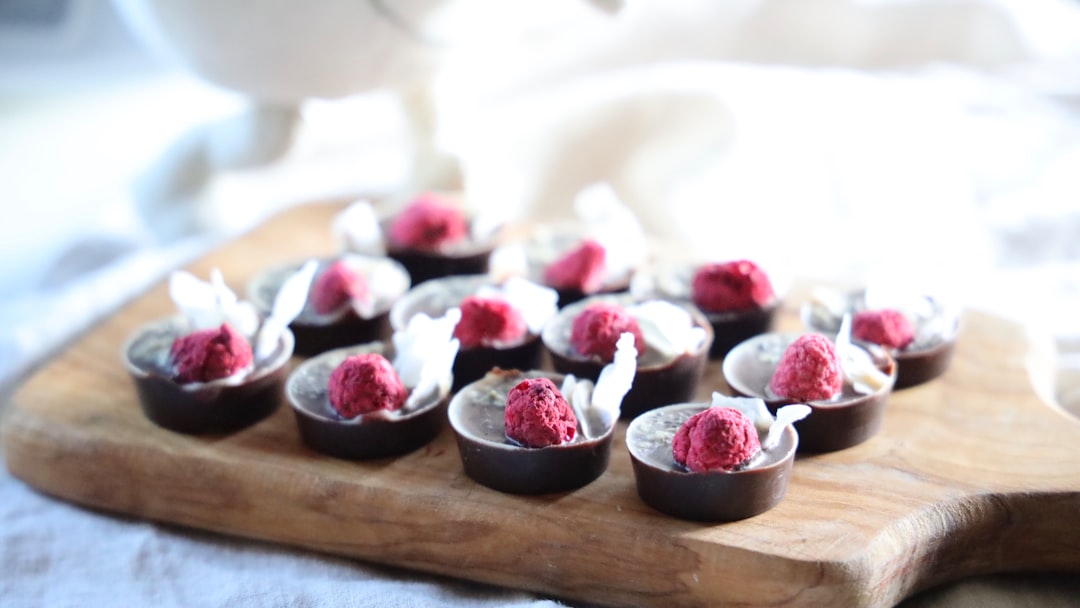
Sugar-free chocolate
Rated by 11 diets
The diets react (see scores below)
Diet Ratings
Sugar-free chocolate (85%+ cacao or sweetened with erythritol/stevia) typically contains 1-3g net carbs per serving and fits keto macros. However, some brands use sugar alcohols that may trigger cravings or digestive issues. Quality and sweetener type vary significantly.
Strict keto practitioners avoid all chocolate, even sugar-free, due to concerns that sweeteners trigger insulin response or cravings. Some also question the processed nature and potential for overconsumption.
Depends entirely on brand and formulation. Many contain dairy milk or whey. Some use artificial sweeteners (aspartame, sucralose) which are vegan but processed. Dark chocolate varieties more likely to be vegan. Label verification essential.
Some vegans avoid all sugar-free chocolate due to artificial sweetener concerns unrelated to veganism, while others accept any dairy-free formulation as fully vegan.
Sugar-free chocolate is a processed product containing artificial or sugar alcohol sweeteners (erythritol, xylitol, stevia). While the cacao itself is debated in paleo, the processing and sweetener additives make this a gray area. Strict paleo avoids processed foods and artificial sweeteners.
Many paleo practitioners accept dark chocolate (>70% cacao) with minimal processing and natural sweeteners like stevia or monk fruit. Some accept sugar alcohols like erythritol as non-caloric alternatives. Strict Cordain-school paleo excludes all processed cacao products.
Ultra-processed product with artificial sweeteners. Mediterranean diet emphasizes whole foods and minimal processing. While sugar-free addresses added sugar concern, artificial sweeteners contradict whole-food philosophy. Occasional indulgence acceptable.
Some modern Mediterranean diet interpretations accept sugar-free products as harm-reduction alternatives to regular chocolate, particularly for those managing blood sugar.
Sugar-free chocolate is derived from cacao (plant-based). Even without sugar, the cacao itself is plant-derived. Carnivore diet excludes all plant-derived foods, including chocolate, regardless of sweetener type.
Sugar-free chocolate typically contains artificial sweeteners (sugar alcohols like xylitol, erythritol, or aspartame), which are excluded on Whole30. Additionally, chocolate is a processed junk food that violates the spirit of the program.
Most sugar-free chocolate is sweetened with polyol sugar alcohols (sorbitol, xylitol, maltitol), which are high-FODMAP. Even small amounts can trigger symptoms. Monash testing confirms polyols are restricted in the elimination phase.
Eliminates added sugar but typically contains sugar alcohols (sorbitol, xylitol) and saturated fat from cocoa butter. Most brands contain 3-5g saturated fat per serving. Artificial sweeteners may have metabolic effects. Occasional consumption acceptable; not a core DASH food.
NIH DASH guidelines avoid added sugars and limit saturated fat. Updated clinical interpretation shows sugar alcohols have minimal glycemic impact but may affect gut microbiome. Cocoa's polyphenols offer cardiovascular benefits, but saturated fat remains concern.
Depends on sweetener and fat source. If made with monounsaturated fats and sugar alcohols (erythritol), acceptable in small portions. If made with seed oils or maltitol, problematic. Processed format less ideal than whole cacao.
Dr. Sears does not explicitly endorse artificial sweeteners; whole foods preferred. However, modern Zone practitioners accept sugar-free options if macros align and sweetener is non-inflammatory.
Sugar-free chocolate depends heavily on sweetener type and cacao percentage. Dark chocolate (>70% cacao) has anti-inflammatory polyphenols, but artificial sweeteners (aspartame, sucralose) may trigger inflammatory responses in some individuals. Sugar alcohols can cause digestive issues.
Some researchers argue that sugar-free chocolate with sugar alcohols is acceptable for anti-inflammatory diets if cacao content is high (>70%) and sweetener is well-tolerated individually. Others emphasize avoiding artificial additives entirely per Dr. Weil's framework.
Sugar-free chocolate varies widely in composition. Dark chocolate (70%+) with sugar alcohols = 150-170 calories, 10-12g fat, minimal protein, but tolerable in small amounts. Milk chocolate alternatives often higher in fat and additives. Sugar alcohols (sorbitol, xylitol, erythritol) can worsen GI side effects (bloating, diarrhea) in some GLP-1 patients, while others tolerate them well. Individual tolerance is highly variable.
Some GLP-1 RDs recommend sugar-free chocolate as an acceptable occasional treat for satiety and morale, while others advise against it due to sugar alcohol GI effects and argue that the calorie expenditure is better spent on protein or nutrient-dense foods. Some patients report that artificial sweeteners worsen cravings or cause nausea on empty stomach.
Nutritional profile
Six traits that cut across every diet.
Fiber & Plants
How much whole-plant food and fiber it delivers.
Healthy Fats
The quality of its fats (unsaturated, omega-3).
Whole / Unprocessed
How close it is to its natural, unprocessed form.
Gut Gentle
How easy it is on digestion (low FODMAP, few irritants).
Low Glycemic
How little it spikes your blood sugar.
Protein Density
How much protein it packs per calorie.
Controversy Index
Score range: 2–6/10. Higher controversy = more disagreement between diets.
Diet-Specific Tips for Sugar-free chocolate
 Keto — 6/10
- Sweetener type matters
- Variable net carbs by brand
- Potential for overconsumption
- May trigger cravings in some
 Vegan — 5/10
- Often contains dairy
- Artificial sweeteners common
- Brand-dependent
- Label verification critical
 Paleo — 4/10
- Processed product
- Artificial/sugar alcohol sweeteners
- Cacao processing debated
- Additives present
 Mediterranean — 4/10
- Artificial sweeteners
- Ultra-processed
- Not whole food
- Addresses sugar concern
 DASH — 4/10
- No added sugar
- Saturated fat from cocoa
- Sugar alcohol content
- Polyphenol antioxidants
 Zone — 5/10
- Sweetener type critical (erythritol vs. maltitol)
- Fat source matters (monounsaturated vs. seed oils)
- Processed vs. whole cacao
- Portion control essential
- Artificial sweetener concerns
 Anti-Inflammatory — 5/10
- cacao percentage critical
- sweetener type determines inflammatory profile
- artificial additives present
- individual sweetener tolerance varies
 GLP-1 Friendly — 5/10
- sugar alcohol content variable
- GI side effects unpredictable
- fat content moderate to high
- minimal protein
- individual tolerance highly variable
- dark vs. milk chocolate distinction