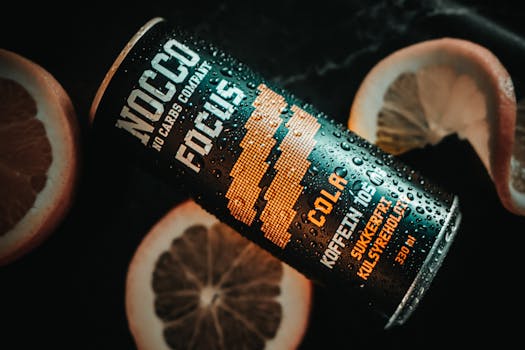
The diets react (see scores below)
Diet Ratings
Most sugar-free energy drinks contain 0-2g net carbs and use artificial sweeteners. However, some contain hidden carbs or sugar alcohols that may impact blood glucose. Acceptable in moderation for most keto practitioners, but quality varies significantly.
Strict keto advocates avoid all artificial sweeteners due to concerns about insulin response, appetite stimulation, and potential metabolic disruption, preferring zero-calorie beverages like water or black coffee.
Many sugar-free energy drinks use artificial sweeteners and additives. Some brands use carmine (cochineal insect dye) or other animal-derived ingredients. Requires label verification.
Some vegans accept all sugar-free energy drinks as compliant if they lack explicit animal products, prioritizing convenience over ingredient scrutiny.
Sugar-free energy drinks contain artificial sweeteners, chemical additives, and preservatives explicitly excluded from paleo. The processing and synthetic ingredients contradict paleo philosophy entirely.
Highly processed beverage with artificial sweeteners, additives, and caffeine. Contradicts Mediterranean diet's emphasis on whole, minimally processed foods. No nutritional value.
Most sugar-free energy drinks contain artificial sweeteners, plant-derived caffeine sources, taurine (often synthetic), and various plant-based additives. Even if taurine is animal-derived, the overall product violates carnivore principles due to processing and non-animal ingredients.
Sugar-free energy drinks contain artificial sweeteners (aspartame, sucralose, etc.), which are explicitly excluded during Whole30. Additionally, most contain additives and processed ingredients incompatible with the program.
Most sugar-free energy drinks contain polyol sweeteners (sorbitol, xylitol, maltitol) which are high-FODMAP. These are fermentable and cause bloating, gas, and diarrhea. Additionally, they often contain caffeine in high doses and artificial additives that may trigger symptoms.
Sugar-free formulations avoid added sugar but often contain high sodium (200-400mg per serving) and artificial sweeteners. NIH DASH guidelines do not explicitly endorse artificial sweeteners; updated clinical interpretation suggests occasional use is acceptable but not preferred.
NIH DASH guidelines focus on whole foods and limit processed beverages. Updated clinical interpretation permits sugar-free options as harm-reduction alternatives to sugary drinks, though water remains optimal.
Depends on sweetener type and electrolyte content. Artificial sweeteners are Zone-neutral but don't contribute macronutrients. Cannot be used as meal component; only as beverage accompaniment.
Dr. Sears emphasizes whole foods and minimal processing. While not explicitly forbidden, sugar-free drinks lack polyphenols and anti-inflammatory compounds central to Zone philosophy.
Contains artificial sweeteners (aspartame, sucralose, acesulfame-K) and artificial additives. While avoiding sugar, these synthetic compounds may disrupt gut microbiota and trigger inflammatory responses in sensitive individuals. High caffeine without anti-inflammatory benefit.
Some mainstream nutrition authorities consider sugar-free beverages acceptable as occasional alternatives to sugared drinks, though Dr. Weil emphasizes whole food sources and cautions against artificial additives.
Carbonation causes bloating and gas—a major GLP-1 side effect. High caffeine may worsen nausea on empty stomach. Artificial sweeteners are debated; some GLP-1 patients report worsened GI distress or cravings. No nutritional value.
Some GLP-1 clinicians view sugar-free energy drinks as acceptable for hydration and energy if carbonation is tolerated and caffeine doesn't trigger nausea; others recommend avoiding them entirely due to carbonation risk and artificial sweetener concerns.
Nutritional profile
Six traits that cut across every diet.
Fiber & Plants
How much whole-plant food and fiber it delivers.
Healthy Fats
The quality of its fats (unsaturated, omega-3).
Whole / Unprocessed
How close it is to its natural, unprocessed form.
Gut Gentle
How easy it is on digestion (low FODMAP, few irritants).
Low Glycemic
How little it spikes your blood sugar.
Protein Density
How much protein it packs per calorie.
Controversy Index
Score range: 1–5/10. Higher controversy = more disagreement between diets.
Diet-Specific Tips for Sugar-free energy drink
 Keto — 5/10
- Typically 0-2g net carbs
- Artificial sweeteners (aspartame, sucralose, etc.)
- Variable quality between brands
- Caffeine content
 Vegan — 5/10
- Artificial sweeteners
- Potential carmine dye
- Brand-dependent formulation
- Requires label checking
 DASH — 4/10
- High sodium content
- Artificial sweeteners (aspartame, sucralose, etc.)
- Minimal nutritional value
- Caffeine may affect some individuals
 Zone — 4/10
- Zero macronutrient contribution
- Artificial sweeteners (aspartame, sucralose, etc.)
- No whole-food nutrients
- Caffeine content variable