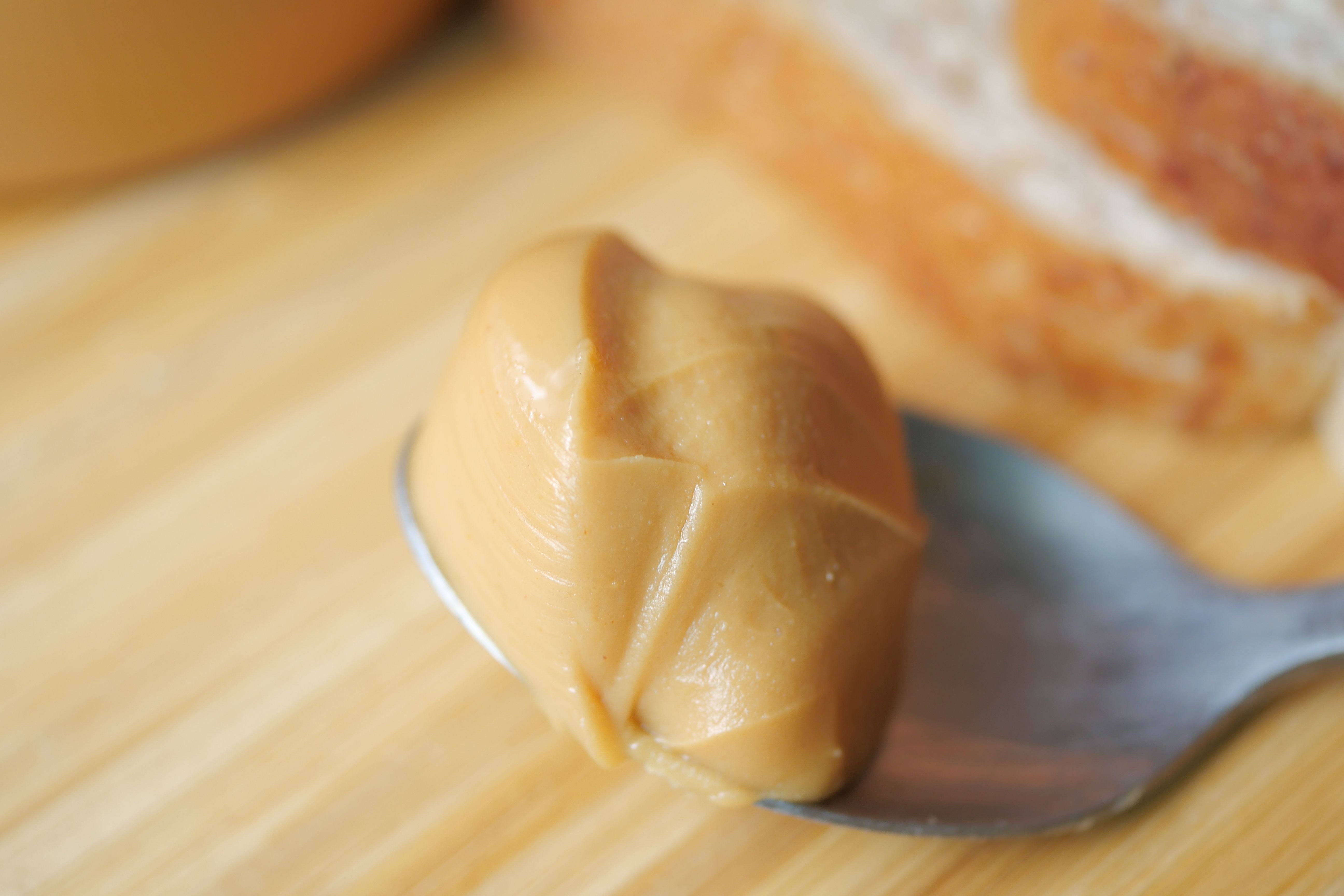
Sun butter (sunflower)
Rated by 11 diets
The diets react (see scores below)
Diet Ratings
Sunflower seed butter is high-fat, moderate protein, low carb. Standard 2 tbsp serving contains 3-4g net carbs. Excellent macronutrient profile for keto. Verify no added sugars in commercial versions.
Sunflower seed butter is a plant-based alternative to peanut butter. Made from ground sunflower seeds with minimal processing. Whole food ingredient with no animal products.
Sunflower seed butter is made from sunflower seeds, which are seeds from a seed oil plant. Paleo excludes seed oils and their derivatives. While seeds are technically available to hunter-gatherers, sunflower is a modern cultivar, and seed butters concentrate omega-6 polyunsaturated fats in problematic ratios.
Sunflower seed butter is a plant-based protein source with healthy fats, but sunflower oil is less emphasized in Mediterranean diet compared to olive oil. While acceptable, it's not a core staple. Check for added sugars and oils.
Some Mediterranean diet experts accept sunflower seed butter as a legitimate nut/seed alternative, particularly for those with tree nut allergies. The Mediterranean diet does include various seeds and their products.
Sunflower butter is made from sunflower seeds (plant-derived). It is entirely plant-based and incompatible with carnivore diet principles, regardless of processing.
Sunflower seed butter is a whole food product made from ground sunflower seeds. It's compliant and a common Whole30 nut butter alternative. Verify no added sugar.
Sunflower seed butter is made from sunflower seeds, which are low-FODMAP. Monash has tested sunflower seeds and confirmed low-FODMAP status. Pure sunflower butter with minimal additives is well-tolerated.
Sunflower seed butter is nutrient-dense with protein, magnesium, vitamin E, and healthy unsaturated fats. Low sodium (if unsalted), excellent source of minerals emphasized in DASH. Good alternative to peanut butter for variety.
High in omega-6 polyunsaturated fat (less ideal than monounsaturated). Minimal carbs and protein. Usable in Zone but inferior to almond or macadamia butter. Dr. Sears emphasizes monounsaturated fats; sunflower is acceptable but not preferred.
Some Zone practitioners accept sunflower butter as equivalent to other nut butters; Dr. Sears' published work prioritizes monounsaturated sources (olive, avocado, almonds, macadamia).
Sunflower seed butter is high in omega-6 polyunsaturated fat with poor omega-3 ratio. Anti-inflammatory guidelines explicitly limit regular seed oil consumption (sunflower is listed as one to avoid). High omega-6 promotes inflammatory cascade. Almond or walnut butter are preferred alternatives.
Sun butter is nutrient-dense (protein, fiber, unsaturated fats, vitamin E) but calorie-dense and high in fat (8g per tablespoon). For GLP-1 patients with reduced appetite, portion control is critical. Acceptable in small amounts (1-2 teaspoons) on whole-grain toast or with fruit, but not as a primary protein source.
Some RDs recommend sun butter as a good unsaturated fat source and protein alternative for nut-allergic patients; others caution that the high fat and calorie density make it less ideal than lean proteins for GLP-1 patients with severely reduced appetite.
Nutritional profile
Six traits that cut across every diet.
Fiber & Plants
How much whole-plant food and fiber it delivers.
Healthy Fats
The quality of its fats (unsaturated, omega-3).
Whole / Unprocessed
How close it is to its natural, unprocessed form.
Gut Gentle
How easy it is on digestion (low FODMAP, few irritants).
Low Glycemic
How little it spikes your blood sugar.
Protein Density
How much protein it packs per calorie.
Controversy Index
Score range: 1–10/10. Higher controversy = more disagreement between diets.
Diet-Specific Tips for Sun butter (sunflower)
 Keto — 8/10
- 3-4g net carbs per 2 tbsp
- High fat content
- Good protein
- Seed-based (manageable carbs)
 Vegan — 10/10
- Plant-based seed butter
- Minimal processing
- Whole food ingredient
- No animal products
 Mediterranean — 5/10
- Plant-based protein
- Healthy unsaturated fats
- Not olive oil-based
- Check for added sugars
- Portion control important
 Whole30 — 9/10
- Whole seed-based product
- No excluded ingredients
- Common Whole30 staple
 Low-FODMAP — 9/10
- Sunflower seeds are low-FODMAP
- Check for added garlic or onion
- Standard serving size (2 tbsp) is low-FODMAP
- Pure product without additives is ideal
 DASH — 8/10
- High protein
- Rich in magnesium
- Vitamin E (antioxidant)
- Unsaturated fats
- Low sodium (unsalted versions)
- Supports nut/seed intake
 Zone — 5/10
- High omega-6 polyunsaturated fat
- Minimal carbs
- Minimal protein
- Less anti-inflammatory than preferred fats
 GLP-1 Friendly — 5/10
- High fat (8g per tbsp) — portion control critical
- Good protein (3-4g per tbsp)
- Unsaturated fats preferred over saturated
- Calorie-dense
- Nut-free alternative to peanut butter