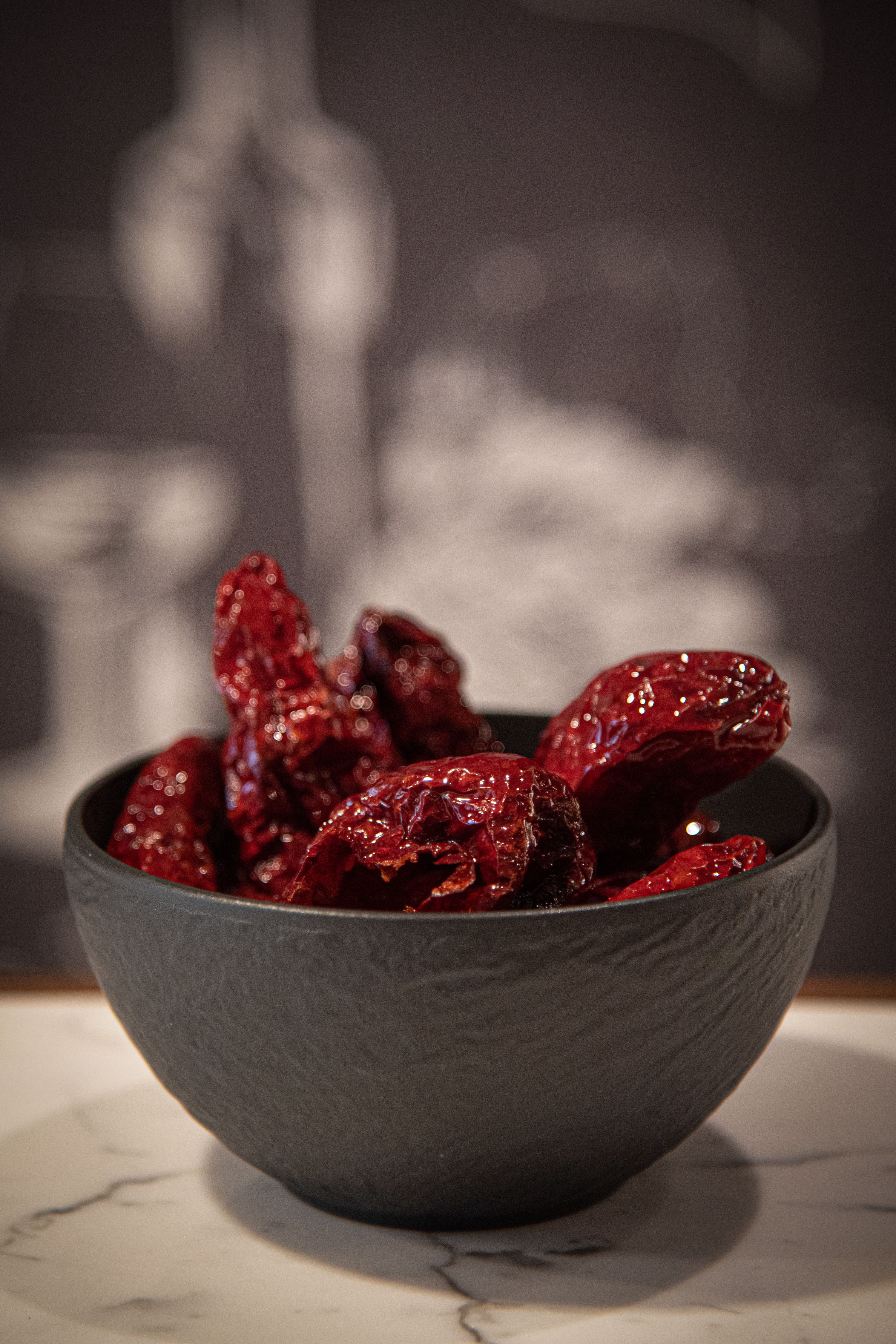
The diets react (see scores below)
Diet Ratings
Sun-dried tomatoes contain ~6g net carbs per 28g serving due to carb concentration from dehydration. Small portions (1-2 pieces) are acceptable but easily exceed limits.
Some keto practitioners avoid sun-dried tomatoes entirely due to concentrated carbs and natural sugars, despite their nutrient density.
Plant-based with minimal processing (drying only). Concentrated source of lycopene, vitamins, and minerals. No animal products or derivatives. Fully vegan-compliant.
Whole tomatoes are paleo-approved, but sun-drying is a processing method. Many commercial versions contain added seed oils, salt, and sulfites. Homemade or minimally processed versions are acceptable.
Strict paleo practitioners may avoid all processed forms, including sun-dried, preferring fresh tomatoes. However, most modern paleo authorities accept sun-dried tomatoes if no additives are present.
Concentrated tomato product with high sodium and sometimes added oils. While tomatoes are Mediterranean staples, sun-dried versions are processed and calorie-dense. Best used sparingly as flavoring rather than main ingredient.
Traditional Mediterranean cooks use sun-dried tomatoes as a preservation method and valued ingredient, particularly in Southern Italy and Greece, making them acceptable in traditional preparations.
Processed plant product derived from tomatoes. Often contains added plant oils, salt, and plant-based seasonings. All plant foods and processed plant products are excluded from carnivore diet.
Sun-dried tomatoes are technically compliant if they contain only tomatoes and salt. However, many commercial brands add sugar, sulfites, or oil. Check label carefully for added sugars or non-compliant additives.
Official Whole30 allows sun-dried tomatoes if ingredient list is clean (tomatoes, salt, oil only). Community debate centers on whether added sulfites (now allowed per 2024 rules) make them more acceptable, and whether the concentrated sugar content (though natural) conflicts with program spirit.
Sun-dried tomatoes are concentrated in fructose due to water removal. Monash rates them as low-FODMAP at 3 pieces (45 g); larger portions exceed thresholds. Portion control is essential.
Monash University specifies 3 pieces as the low-FODMAP serving; some practitioners recommend avoiding due to fructose concentration, though Monash data supports small portions.
Concentrated sodium (390mg per 1/4 cup), high in lycopene and potassium but portion-dependent. Oil-packed varieties add saturated fat. Use sparingly as garnish.
Concentrated carbohydrate source (~10g net carbs per 2 tablespoons) due to water removal. Higher glycemic density than fresh tomatoes. Often packed in omega-6 seed oils. Usable as flavoring in small portions but not as primary vegetable. Requires careful portioning.
Concentrated source of lycopene (potent antioxidant), polyphenols, and anti-inflammatory compounds. Drying concentrates beneficial phytonutrients. However, often packed in inflammatory seed oils—choose oil-free or olive oil versions.
Nutrient-dense (lycopene, vitamins C/K), but calorie and carbohydrate-concentrated due to dehydration (~70 cal per ounce, ~13g carbs per ounce). Often packed in oil, adding fat. Minimal protein. Very portion-sensitive; small amounts add flavor but large servings quickly become calorie-heavy. Better as a condiment than a primary food.
Nutritional profile
Six traits that cut across every diet.
Fiber & Plants
How much whole-plant food and fiber it delivers.
Healthy Fats
The quality of its fats (unsaturated, omega-3).
Whole / Unprocessed
How close it is to its natural, unprocessed form.
Gut Gentle
How easy it is on digestion (low FODMAP, few irritants).
Low Glycemic
How little it spikes your blood sugar.
Protein Density
How much protein it packs per calorie.
Controversy Index
Score range: 1–8/10. Higher controversy = more disagreement between diets.
Diet-Specific Tips for Sun-dried tomatoes
 Keto — 4/10
- 6g net carbs per 28g
- Concentrated carbs from dehydration
- Natural sugars concentrated
- Very portion-sensitive
 Vegan — 8/10
- Plant-based
- Minimal processing (drying)
- Nutrient-concentrated
- No animal-derived ingredients
 Paleo — 6/10
- Processing method (drying)
- Often contains added oils/salt
- Sulfites common in commercial versions
- Whole food base is paleo
 Mediterranean — 6/10
- Processed form of whole food
- High sodium content
- Calorie-dense
- Use as flavoring agent
 Whole30 — 6/10
- Label-dependent (check for added sugars)
- Often contains added ingredients
- Natural sugars concentrated
 Low-FODMAP — 5/10
- fructose concentration from dehydration
- strict portion limit (3 pieces/45 g)
- high fructose-to-glucose ratio
 DASH — 5/10
- High sodium when concentrated
- Rich in lycopene
- Oil-packed varieties problematic
- Portion control essential
 Zone — 5/10
- concentrated carbs
- higher glycemic density
- often oil-packed
- small portion requirement
- flavoring vs. vegetable
 Anti-Inflammatory — 8/10
- concentrated lycopene
- polyphenols
- antioxidants
- oil preparation matters
- avoid seed oil versions
- prefer olive oil or oil-free
 GLP-1 Friendly — 4/10
- calorie-concentrated
- often oil-packed
- minimal protein
- high carbohydrate density
- portion-sensitive