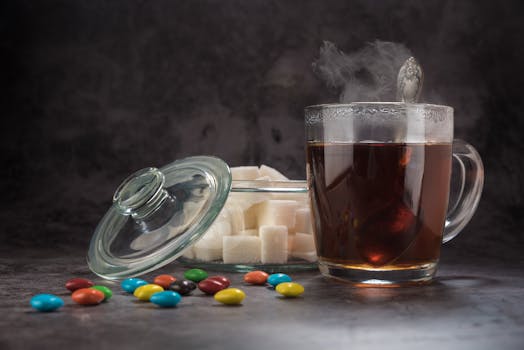
The diets react (see scores below)
Diet Ratings
Sweetened with sugar or high-fructose corn syrup. Typical serving contains 20-30g net carbs. Directly incompatible with ketosis. Unsweetened tea would be approved, but sweet tea is inherently problematic.
Sweet tea is plant-based but often contains refined sugar that may be filtered through bone char. Honey-sweetened versions are non-vegan.
Some vegans accept sweet tea with refined sugar, arguing that bone char is a processing aid that doesn't remain in the final product.
Sweet tea contains added refined sugar or sweeteners, violating paleo principles. While tea itself is acceptable, the added sweetener makes this a clear avoid. Unsweetened tea would be approved.
Added sugars contradict Mediterranean principles. While tea itself is acceptable, sweetened versions are processed beverages with excessive sugar content. Unsweetened tea strongly preferred.
Plant-derived tea with added sugar. Contains plant compounds from tea leaves and refined sugar. No animal products. Violates carnivore exclusion of plants and sugar.
Sweet tea contains added sugar (or artificial sweeteners), both of which are explicitly excluded from Whole30. The sweetening agent makes this non-compliant regardless of the tea base.
Sweet tea's FODMAP status depends entirely on sweetener. If sweetened with sugar, it contains excess fructose (high-FODMAP). If sweetened with glucose or low-FODMAP sweetener, it is acceptable. Standard sweet tea is high-FODMAP.
High added sugar content contradicts DASH guidelines limiting sweets. Provides no nutritional benefit and contributes to hypertension risk through metabolic effects.
Sweetened beverage with added sugar or high-fructose corn syrup. Typically contains 20-30g carbs per serving with zero protein or beneficial fat. Extreme glycemic load incompatible with Zone principles. No nutritional value beyond empty calories.
Sweet tea combines tea's modest polyphenols with high added sugars, creating a net pro-inflammatory beverage. Sugar content overwhelms any antioxidant benefit. Refined sugar drives inflammation.
High sugar content (20-30g per 8oz serving) with zero protein or fiber. Liquid calories provide minimal satiety. Caffeine may worsen nausea or anxiety in some GLP-1 patients. Empty calories displace nutrient-dense foods.
Nutritional profile
Six traits that cut across every diet.
Fiber & Plants
How much whole-plant food and fiber it delivers.
Healthy Fats
The quality of its fats (unsaturated, omega-3).
Whole / Unprocessed
How close it is to its natural, unprocessed form.
Gut Gentle
How easy it is on digestion (low FODMAP, few irritants).
Low Glycemic
How little it spikes your blood sugar.
Protein Density
How much protein it packs per calorie.
Controversy Index
Score range: 1–6/10. Higher controversy = more disagreement between diets.
Diet-Specific Tips for Sweet tea
 Vegan — 6/10
- Plant-derived base
- Sugar processing concerns
- Potential bone char filtration
- Sweetener-dependent
 Low-FODMAP — 4/10
- Sweetener type determines FODMAP status
- Sugar-sweetened = high-FODMAP
- Glucose or stevia-sweetened = low-FODMAP