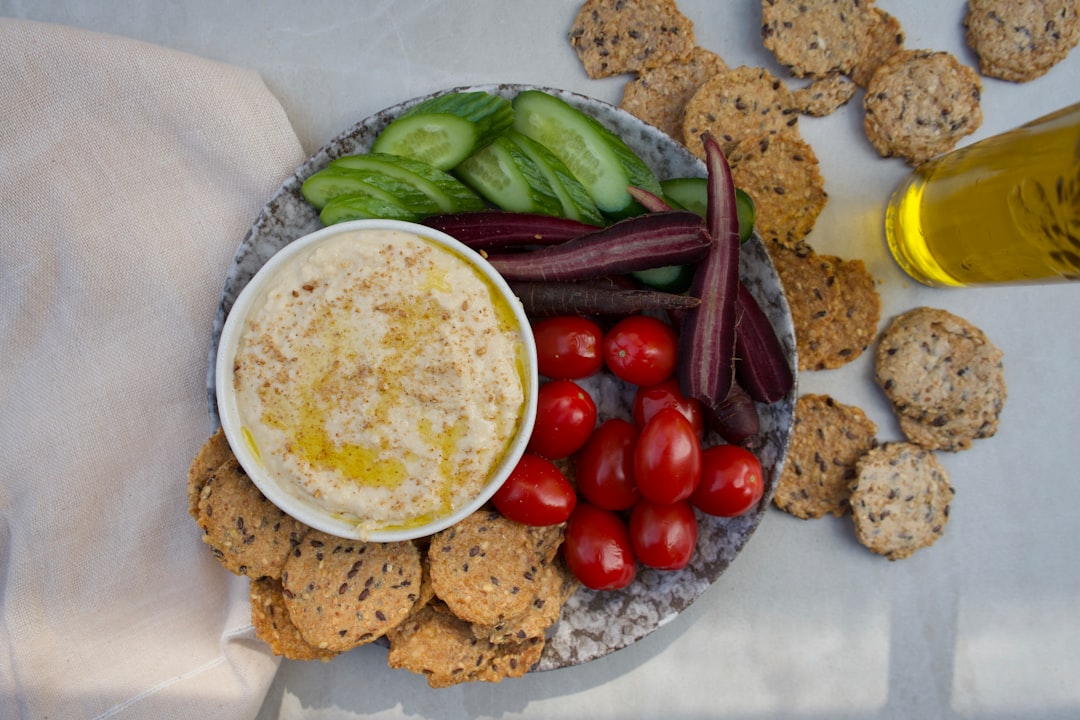
The diets react (see scores below)
Diet Ratings
Tahini (sesame seed paste) is very low in net carbs (~3g per 2 tbsp), high in fat and protein. Minimal fiber impact. Fits keto macros well.
Pure sesame seed paste with no animal products or derivatives. Whole food plant-based ingredient commonly used in vegan cuisine.
Tahini is made from sesame seeds, which are technically paleo-compliant as whole seeds. However, tahini is a processed paste and sesame oil is excluded due to high omega-6 content and processing concerns. The paste form concentrates anti-nutrients and oxidizes easily.
Some paleo practitioners accept tahini in moderation as a seed-based food, arguing whole sesame seeds are available to hunter-gatherers and processing via grinding is minimal compared to seed oil extraction.
Sesame seed paste is a traditional Mediterranean ingredient, rich in healthy fats, minerals, and protein. Commonly used in Middle Eastern and Mediterranean cuisines for hummus and dressings.
Tahini is a plant-derived paste made from sesame seeds. Carnivore diet excludes all plant foods, including seeds and seed butters. Contains no animal products.
Tahini is ground sesame seeds with no added ingredients. It is a whole food fat source explicitly allowed on Whole30.
Tahini (sesame seed paste) is low in FODMAPs. Sesame seeds are not listed as high-FODMAP foods by Monash University. Standard serving of 2 tablespoons is well-tolerated.
Sesame seed paste rich in calcium, magnesium, and fiber. Low sodium, contains unsaturated fats. Excellent nutrient density aligns with DASH emphasis on seeds and plant-based proteins.
Tahini is primarily fat (50%+) with moderate protein and carbs. While sesame seeds contain polyphenols and lignans, tahini is calorie-dense and requires precise portioning. The fat is mixed (some polyunsaturated), making it less ideal than pure monounsaturated sources. Usable in Zone meals but demands careful measurement.
Sesame seeds are rich in lignans and polyphenols with anti-inflammatory properties. Tahini provides minerals (calcium, magnesium, iron) and healthy fats. Minimal processing preserves antioxidants.
Tahini provides plant-based protein (3g per tablespoon) and minerals, but is calorie-dense and high in fat (16g per 2 tablespoons). Small portions can work in GLP-1 diets, but easy to overconsume. Unsaturated fat profile is favorable compared to saturated alternatives.
Some GLP-1 RDs recommend tahini as a nutrient-dense condiment in strict portion control (1 tbsp max); others avoid it due to high fat density triggering nausea or bloating in sensitive patients.
Nutritional profile
Six traits that cut across every diet.
Fiber & Plants
How much whole-plant food and fiber it delivers.
Healthy Fats
The quality of its fats (unsaturated, omega-3).
Whole / Unprocessed
How close it is to its natural, unprocessed form.
Gut Gentle
How easy it is on digestion (low FODMAP, few irritants).
Low Glycemic
How little it spikes your blood sugar.
Protein Density
How much protein it packs per calorie.
Controversy Index
Score range: 2–9/10. Higher controversy = more disagreement between diets.
Diet-Specific Tips for Tahini
 Keto — 8/10
- 3g net carbs per 2 tbsp serving
- High in healthy fats and minerals
- Minimal added sugars in pure tahini
 Vegan — 9/10
- 100% plant-based
- Whole food
- Nutrient-dense
- Minimal processing
 Paleo — 5/10
- Processed seed product
- High omega-6 polyunsaturated fat
- Oxidation risk in paste form
- Anti-nutrient concentration
 Mediterranean — 8/10
- Traditional Mediterranean ingredient
- High in unsaturated fats
- Good source of calcium and magnesium
- Minimal processing
 Whole30 — 9/10
- Whole food derived
- No added sugar or excluded ingredients
- Natural fat source
 Low-FODMAP — 8/10
- Sesame seeds are low-FODMAP
- No significant fructans, GOS, lactose, or polyols
- Standard serving size is safe
 DASH — 8/10
- High in calcium and magnesium
- Good source of fiber
- Unsaturated fat profile
- Low sodium
- Nutrient-dense
 Zone — 5/10
- High fat density requires small portions
- Mixed fat profile (polyunsaturated + monounsaturated)
- Contains polyphenols and minerals
- Easy to over-consume
 Anti-Inflammatory — 8/10
- Polyphenols and lignans
- Mineral-dense
- Moderate omega-6 to omega-3 ratio
- Whole food form
 GLP-1 Friendly — 5/10
- high fat per serving
- moderate protein density
- calorie-dense
- unsaturated fat profile favorable
- portion-sensitive