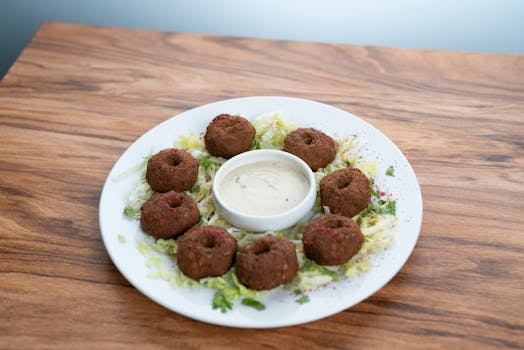
The diets react (see scores below)
Diet Ratings
Tahini (sesame seed paste) is 50%+ fat, minimal carbs (2-3g net per 2 tbsp). When used as a sauce base without added sugars, it fits keto macros excellently.
Tahini (sesame seed paste) is a whole plant food. Tahini-based sauces are typically vegan unless mixed with non-vegan ingredients. Pure tahini sauce is excellent for vegan diets.
Tahini is ground sesame seeds—a whole food available to hunter-gatherers. Pure tahini with no additives is paleo-compliant. When used as a sauce base with paleo ingredients (lemon, garlic, olive oil), it remains approved.
Tahini (sesame seed paste) is a whole food, nutrient-dense ingredient rich in healthy fats, minerals, and protein. Commonly used in Mediterranean and Middle Eastern cuisines. When prepared with olive oil, lemon, and garlic, it aligns perfectly with Mediterranean principles.
Tahini is made from sesame seeds (plant-derived), directly violating carnivore diet rules excluding all seeds and plant products.
Tahini (ground sesame seeds) is a whole food fat source. Compliant when made with approved ingredients like tahini, lemon juice, garlic, and water. No excluded ingredients.
Pure tahini (sesame seed paste) is low-FODMAP. However, many prepared tahini sauces contain garlic or onion. Pure tahini at standard serving sizes is safe.
Pure tahini is nutrient-dense (magnesium, calcium, fiber) and low-sodium, aligning with DASH. However, when prepared as sauce with added salt and oil, sodium increases. Portion control needed due to caloric density.
Pure tahini is ~95% fat (primarily monounsaturated) with minimal carbs and some protein. However, most commercial tahini sauces contain added oils, sweeteners, or high sodium. Can work in small portions (1-2 tbsp) as fat block if unsweetened, but requires careful selection and measurement.
Sesame seeds are rich in lignans, polyphenols, and minerals. High in healthy fats and protein. When made with olive oil, lemon, and garlic, provides strong anti-inflammatory benefits. Minimal processing.
Tahini is nutrient-dense (protein, fiber, minerals) but high in fat (14g per 2 tbsp). High-fat condiments can worsen GLP-1 side effects (nausea, bloating, reflux). Works in small amounts as a flavor enhancer but not as a primary sauce base. Some RDs recommend it for nutrient density; others limit it due to fat content triggering GI distress.
Some GLP-1 nutrition experts view tahini as acceptable in small portions (1 tbsp) due to its mineral content and plant-based protein, while others recommend avoiding it entirely to minimize fat-triggered side effects.
Nutritional profile
Six traits that cut across every diet.
Fiber & Plants
How much whole-plant food and fiber it delivers.
Healthy Fats
The quality of its fats (unsaturated, omega-3).
Whole / Unprocessed
How close it is to its natural, unprocessed form.
Gut Gentle
How easy it is on digestion (low FODMAP, few irritants).
Low Glycemic
How little it spikes your blood sugar.
Protein Density
How much protein it packs per calorie.
Controversy Index
Score range: 1–9/10. Higher controversy = more disagreement between diets.
Diet-Specific Tips for Tahini sauce
 Keto — 8/10
- High fat content (50%+)
- Low net carbs (2-3g per 2 tbsp)
- Whole food source
 Vegan — 9/10
- Pure sesame seed product
- Whole food ingredient
- No animal derivatives
- Nutrient-dense
 Paleo — 8/10
- whole food seed product
- unprocessed
- nutrient-dense
- verify no additives or seed oils
 Mediterranean — 8/10
- whole food ingredient
- healthy fats
- nutrient-dense
- traditional Mediterranean/Middle Eastern use
- minimal processing
 Whole30 — 8/10
- Whole food base
- Natural fat source
- No added sugar or excluded ingredients
 Low-FODMAP — 8/10
- Sesame seeds are low-FODMAP
- Check for added garlic/onion in prepared versions
- Pure tahini is safe at standard portions
 DASH — 5/10
- Rich in magnesium and calcium
- Good source of plant protein
- High in calories and fat
- Sodium depends on preparation
 Zone — 6/10
- Monounsaturated fat dominant
- Low glycemic impact if unsweetened
- High caloric density requires portion control
- Commercial versions often contain additives
 Anti-Inflammatory — 8/10
- rich in polyphenols and lignans
- healthy fat profile
- high in minerals and protein
- minimal processing
- compatible with anti-inflammatory herbs
 GLP-1 Friendly — 5/10
- high fat content
- good protein and fiber density
- nutrient-dense but portion-critical
- may trigger nausea if overconsumed