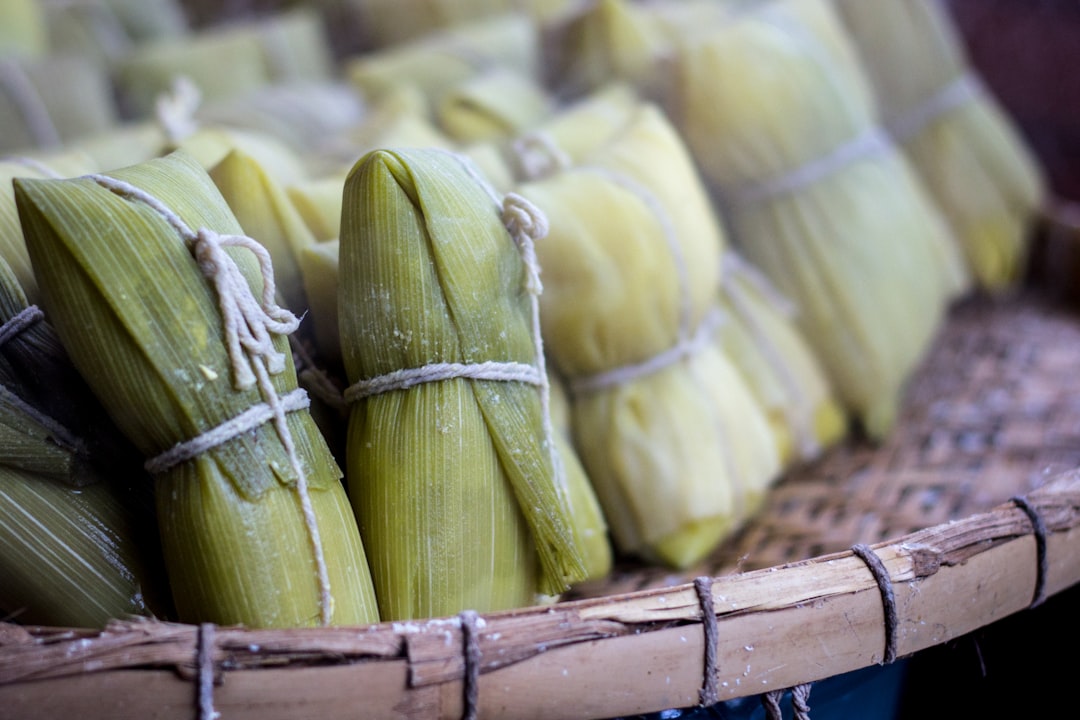
The diets react (see scores below)
Diet Ratings
Tamales are made with masa (corn dough), which is high in carbs. A single tamale contains 15-25g net carbs, far exceeding keto limits.
Contains pork meat, which is explicitly excluded from vegan diet. Corn masa wrapper is plant-based but filling disqualifies entire dish.
Tamales are made with corn masa (grain), which is a primary paleo violation. While pork filling is acceptable, the corn dough wrapper disqualifies the entire dish.
Pork is red meat, limited to few times monthly in Mediterranean diet. Corn masa base is acceptable but often refined. Preparation method and fat content vary significantly. Can fit occasionally if prepared with minimal added fat.
Some Mediterranean regions, particularly Spain and Portugal, incorporate pork more regularly as part of traditional cuisine, though modern Mediterranean diet guidelines emphasize moderation.
Tamales are made with masa (corn dough), which is plant-derived grain. Although the filling contains pork (approved), the corn wrapper and dough base violate carnivore principles.
Tamales are made with corn masa (corn is an excluded grain). Even if filled with compliant pork, the wrapper violates Whole30.
Corn masa is low-FODMAP, but traditional recipes often include garlic, onion, and sometimes high-fat fillings. Pork itself is low-FODMAP. FODMAP status depends entirely on preparation method and seasonings used.
Monash rates corn as low-FODMAP; however, if tamale contains garlic, onion, or is made with lard in high quantities, FODMAP load increases significantly. Clinical practitioners recommend verifying ingredients.
Pork tamales are high in saturated fat and sodium from the meat and lard-based dough. Red/processed meat contradicts DASH guidelines. Typically contains 400-600mg sodium per tamale.
Corn masa is moderate-glycemic refined carbohydrate. Pork provides protein but often fatty (saturated fat). Can be balanced with careful portioning and vegetable sides, but masa carbs are not ideal low-glycemic choice. Depends heavily on preparation fat content.
Dr. Sears emphasizes avoiding refined corn products due to glycemic impact. Some Zone practitioners accept small portions of tamales with lean pork and vegetable accompaniment as occasional meals.
Pork is red meat with higher saturated fat than poultry. Corn masa provides refined carbohydrates. However, traditional preparation may include anti-inflammatory spices. Inflammatory profile depends on fat content and preparation method.
Some anti-inflammatory approaches (AIP protocol) strictly limit all pork. Others view lean pork more favorably than beef. Dr. Weil emphasizes limiting red meat generally but doesn't absolutely prohibit it.
Pork tamales are typically high in saturated fat from lard-based dough and fatty pork filling, which worsens GLP-1 side effects. Moderate protein content but calorie-dense. Corn-based dough is digestible but heavy. Could work in very small portions (1/2 tamale) with lean protein emphasis, but generally not ideal.
Some RDs accept tamales as occasional treats if made with lean pork and minimal lard, viewing the cultural/satisfaction value as worth the fat trade-off. Others strictly limit due to saturated fat and portion difficulty.
Nutritional profile
Six traits that cut across every diet.
Fiber & Plants
How much whole-plant food and fiber it delivers.
Healthy Fats
The quality of its fats (unsaturated, omega-3).
Whole / Unprocessed
How close it is to its natural, unprocessed form.
Gut Gentle
How easy it is on digestion (low FODMAP, few irritants).
Low Glycemic
How little it spikes your blood sugar.
Protein Density
How much protein it packs per calorie.
Controversy Index
Score range: 1–5/10. Higher controversy = more disagreement between diets.
Diet-Specific Tips for Tamale (pork)
 Mediterranean — 4/10
- red meat content
- refined grain base
- preparation method variable
- portion control critical
 Low-FODMAP — 5/10
- Corn masa is low-FODMAP
- Pork filling is low-FODMAP
- Garlic and onion are common additions (high-FODMAP)
- Fat content may cause GI distress
 Zone — 5/10
- Corn masa is refined carbohydrate
- Pork protein quality variable (fat content)
- Saturated fat concerns
- Portion control critical
 Anti-Inflammatory — 4/10
- Red meat (pork) content
- Saturated fat level
- Refined corn masa
- Potential spice benefits
- Preparation fat content
 GLP-1 Friendly — 4/10
- high saturated fat
- moderate protein
- calorie-dense
- heavy/slow digestion
- portion control challenging