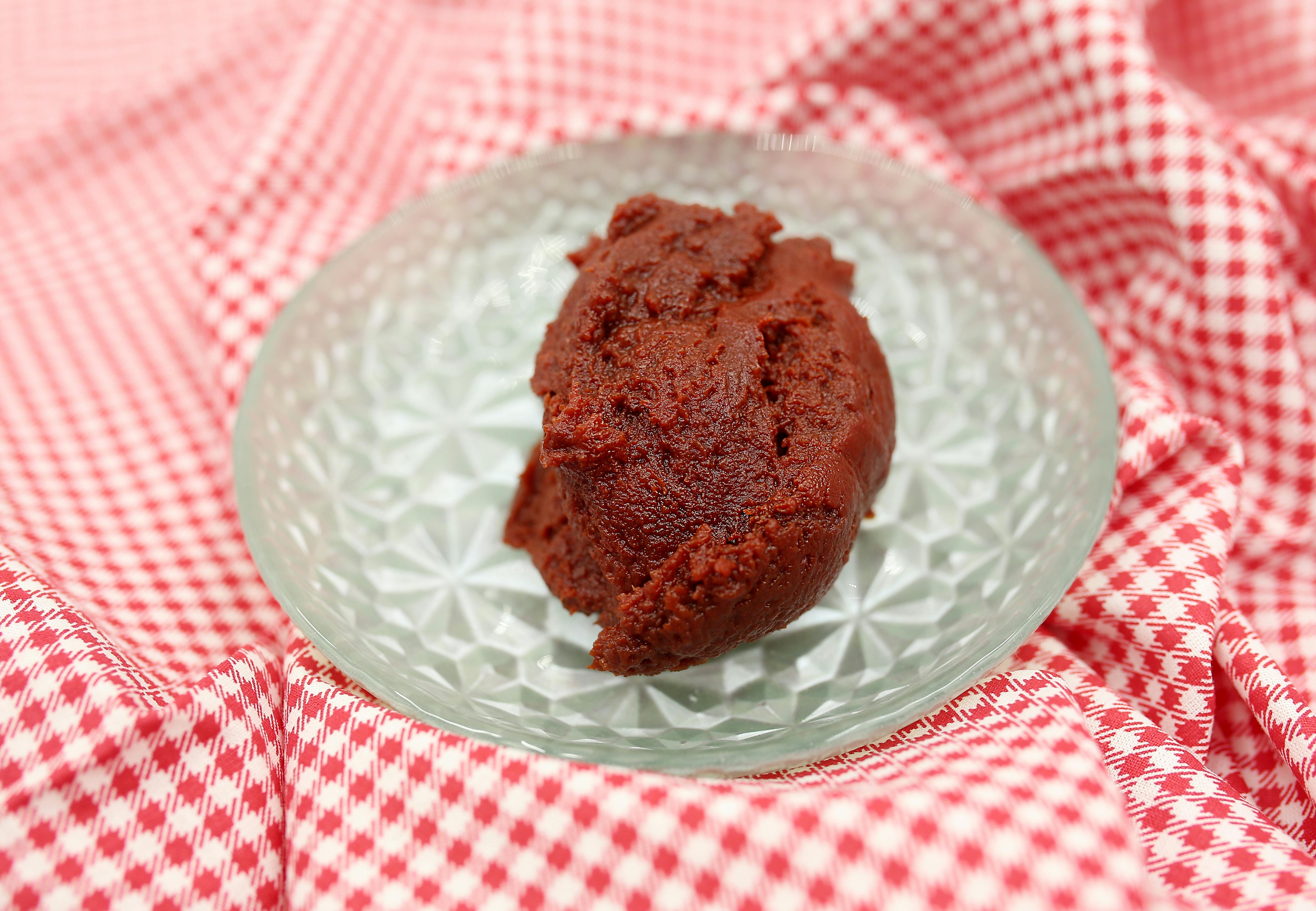
The diets react (see scores below)
Diet Ratings
Tamarind paste contains approximately 3-4g net carbs per tablespoon, derived from the fruit's natural sugars. Even small portions (1 tbsp) contribute significantly to daily carb limits. The high sugar content and minimal nutritional benefit beyond carbohydrates make it incompatible with keto.
Concentrated paste from tamarind fruit pulp with no animal products or processing concerns. Whole food-derived condiment.
Tamarind paste is made from the fruit of the tamarind tree with no added grains, legumes, or seed oils. It is a whole food product available to hunter-gatherers and provides sour flavor without problematic ingredients.
Tamarind is a minimally processed plant product with no added sugars, fitting Mediterranean principles. However, it is not traditional to the region and is typically used as a condiment in small amounts.
Some Mediterranean diet practitioners embrace tamarind as a plant-based, sugar-free flavor enhancer compatible with the diet's emphasis on whole foods and minimal processing.
Plant-derived fruit paste. Explicitly excluded from carnivore diet. Contains plant compounds and sugars from fruit source.
Tamarind is a fruit paste with no excluded ingredients. Pure tamarind paste (without added sugar) is a whole food condiment fully compliant with Whole30.
Tamarind is a tropical fruit with limited Monash University testing. Tamarind contains fructose and may have excess fructose relative to glucose. Small amounts (1-2 teaspoons) are likely low-FODMAP, but larger servings are uncertain.
Monash University has limited specific data on tamarind paste. Clinical FODMAP practitioners suggest caution due to potential excess fructose. Serving size is critical; small amounts in condiments are likely tolerated, but larger quantities should be avoided.
Tart fruit paste with minimal sodium. Rich in antioxidants, fiber, and minerals. Supports flavor enhancement without salt. Minimal processing. Excellent for DASH cooking.
Concentrated fruit paste with ~3g carbs per tbsp and minimal protein/fat. High in polyphenols and anti-inflammatory compounds. Small amounts acceptable but must be counted toward carb blocks. Use sparingly as flavoring rather than main ingredient.
Fruit-based paste rich in polyphenols, antioxidants, and vitamin C. Fermented versions offer additional benefits. No inflammatory components. Adds flavor without sugar or additives. Aligns with emphasis on whole plant foods and spices.
Minimal calories (5 per tsp), no fat, no protein but high in fiber and polyphenols. Provides tangy flavor to enhance small portions without GI distress. Supports digestion and adds nutritional value per calorie.
Nutritional profile
Six traits that cut across every diet.
Fiber & Plants
How much whole-plant food and fiber it delivers.
Healthy Fats
The quality of its fats (unsaturated, omega-3).
Whole / Unprocessed
How close it is to its natural, unprocessed form.
Gut Gentle
How easy it is on digestion (low FODMAP, few irritants).
Low Glycemic
How little it spikes your blood sugar.
Protein Density
How much protein it packs per calorie.
Controversy Index
Score range: 1–9/10. Higher controversy = more disagreement between diets.
Diet-Specific Tips for Tamarind paste
 Vegan — 9/10
- Plant-derived paste
- No animal products
- Minimal processing
- Whole fruit source
 Paleo — 8/10
- Whole fruit source
- Minimal processing
- No excluded ingredients
- Natural acid and flavor compound
 Mediterranean — 6/10
- plant-based
- no added sugar
- not traditional Mediterranean
- condiment use
 Whole30 — 9/10
- Fruit-based
- No excluded ingredients
- Whole food product
 Low-FODMAP — 4/10
- Limited Monash testing
- Potential excess fructose
- Dose-dependent FODMAP status
 DASH — 8/10
- Low sodium
- Antioxidant-rich
- Fiber content
- Mineral-rich
- Enhances flavor naturally
 Zone — 5/10
- Carb-dense; portion control required
- Polyphenol-rich; anti-inflammatory
- Acidic; aids digestion
- Best used as minor flavoring agent
 Anti-Inflammatory — 8/10
- polyphenol-rich
- antioxidant content
- vitamin C present
- fermented versions beneficial
- no added inflammatory ingredients
 GLP-1 Friendly — 8/10
- minimal calories
- no fat
- fiber-rich
- antioxidant-rich
- flavor enhancer for small portions