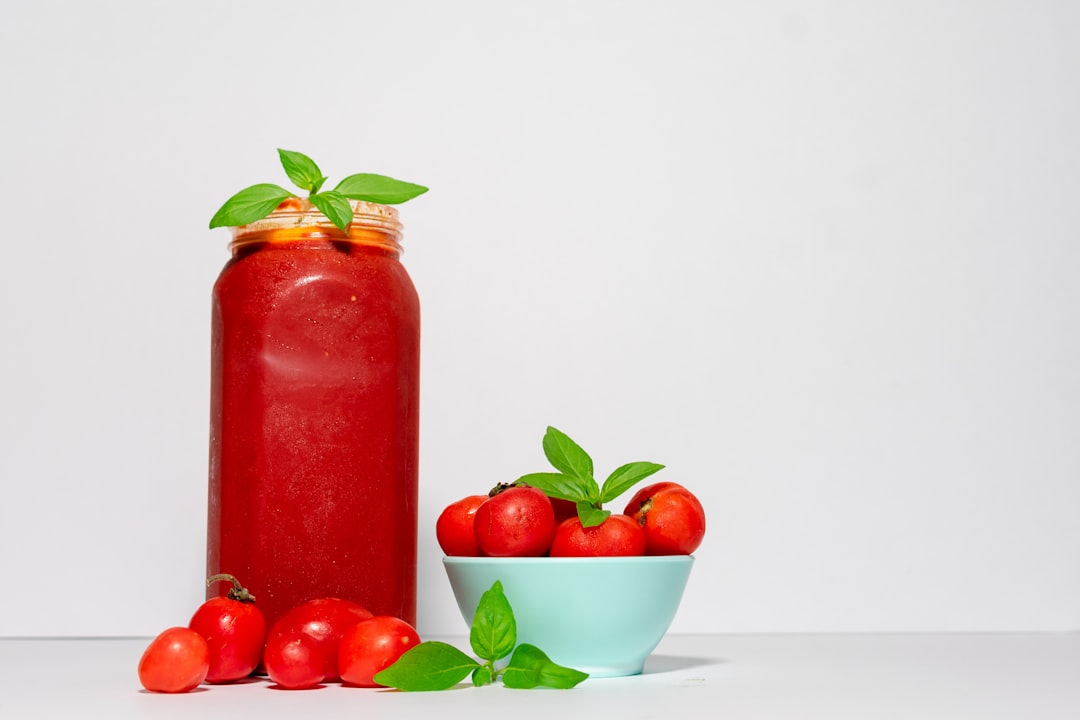
The diets react (see scores below)
Diet Ratings
Tart cherry juice contains ~12-15g net carbs per 8oz serving, primarily from natural sugars. Even unsweetened versions are too high in carbs for keto. Whole tart cherries are also problematic due to sugar content.
Pure fruit juice with no animal products. Check label for added sugars or additives, but base product is 100% plant-based.
Tart cherry juice is fruit juice—a concentrated source of natural sugars. While cherries are paleo-approved, juicing removes fiber and concentrates sugar, creating a high-glycemic beverage. Acceptable occasionally but not a staple due to sugar concentration.
Some paleo practitioners accept tart cherry juice in moderation for its anti-inflammatory compounds and use in recovery protocols. Others strictly avoid all juices as processed and sugar-concentrated.
Fruit juice concentrates natural sugars despite health benefits. Mediterranean diet emphasizes whole fruits over juices. Acceptable occasionally for specific health purposes (inflammation, sleep) but not daily staple. Portion control essential.
Some Mediterranean diet practitioners accept small portions of unsweetened fruit juice as acceptable, particularly for specific therapeutic benefits like tart cherry's anti-inflammatory properties.
Tart cherry juice is fruit-derived (plant-based). Fruits and fruit juices are explicitly excluded from carnivore diet. The juice form concentrates sugars and removes fiber, making it even less compatible with carnivore principles.
Per official Whole30 guidance, 100% fruit juice is Whole30 compliant as both a standalone drink and recipe ingredient. Tart cherry juice with no added sugar qualifies.
Tart cherry juice is high in fructose and sorbitol (a polyol). Monash testing indicates that fruit juices, particularly concentrated ones, are high-FODMAP. Even small servings exceed low-FODMAP limits.
Tart cherry juice contains anthocyanins with anti-inflammatory properties and some evidence for blood pressure benefits. However, even unsweetened versions contain 20-30g sugar per 8oz serving. Whole tart cherries preferred. Juice lacks fiber of whole fruit.
NIH DASH guidelines emphasize whole fruits over juices due to fiber loss and concentrated sugars. Updated clinical interpretation recognizes tart cherry juice's specific anti-inflammatory compounds, but portion control (4oz max) and unsweetened varieties essential.
Tart cherry has anti-inflammatory polyphenols (positive), but juice concentrates sugars and removes fiber. High-glycemic carbs. Dr. Sears prefers whole fruit or very diluted juice. Requires strict portioning (1-2 oz max).
Some Zone practitioners accept small amounts of tart cherry juice for recovery due to polyphenol density and anti-inflammatory benefits, despite sugar content. Sears' later writings acknowledge polyphenol-rich juices in moderation.
Tart cherry juice is rich in anthocyanins and polyphenols with documented anti-inflammatory effects. Research supports its use for reducing inflammation and supporting recovery. Choose unsweetened or minimally sweetened versions to avoid added sugar.
Tart cherry juice contains natural sugars (12-15g per 8oz serving) and is calorie-dense (60-80 calories per serving) despite anti-inflammatory benefits. Liquid calories are less satiating than whole foods for GLP-1 patients. However, small amounts (2-4oz) may support sleep and recovery without significant GI distress. Better as occasional supplement than daily beverage.
Some GLP-1 RDs recommend tart cherry juice for its melatonin and anti-inflammatory properties, especially for patients with sleep disruption from GLP-1 therapy, while others view it as unnecessary sugar intake when whole tart cherries or other whole fruits provide fiber and satiety.
Nutritional profile
Six traits that cut across every diet.
Fiber & Plants
How much whole-plant food and fiber it delivers.
Healthy Fats
The quality of its fats (unsaturated, omega-3).
Whole / Unprocessed
How close it is to its natural, unprocessed form.
Gut Gentle
How easy it is on digestion (low FODMAP, few irritants).
Low Glycemic
How little it spikes your blood sugar.
Protein Density
How much protein it packs per calorie.
Controversy Index
Score range: 1–10/10. Higher controversy = more disagreement between diets.
Diet-Specific Tips for Tart cherry juice
 Vegan — 9/10
- 100% plant-based
- Fruit-derived
- No animal ingredients
 Paleo — 5/10
- Concentrated natural sugars
- Fiber removed
- High glycemic impact
- Processed format
- Anti-inflammatory compounds present
 Mediterranean — 6/10
- Concentrated sugars
- Lacks fiber
- Whole fruit preferred
- Potential health benefits
 Whole30 — 10/10
- 100% fruit juice approved
- Not considered added sugar
- Official exception
 DASH — 5/10
- High natural sugar content
- Anthocyanin antioxidants
- Lacks fiber of whole fruit
- Potential blood pressure benefits
 Zone — 4/10
- Anti-inflammatory polyphenols
- High sugar concentration
- Fiber removed
- High-glycemic carbs
- Requires severe portion control
 Anti-Inflammatory — 8/10
- high anthocyanin content
- documented anti-inflammatory research
- polyphenol-rich
- requires unsweetened version
 GLP-1 Friendly — 4/10
- natural sugar content
- liquid calories (low satiety)
- anti-inflammatory compounds
- melatonin for sleep support
- portion-dependent utility