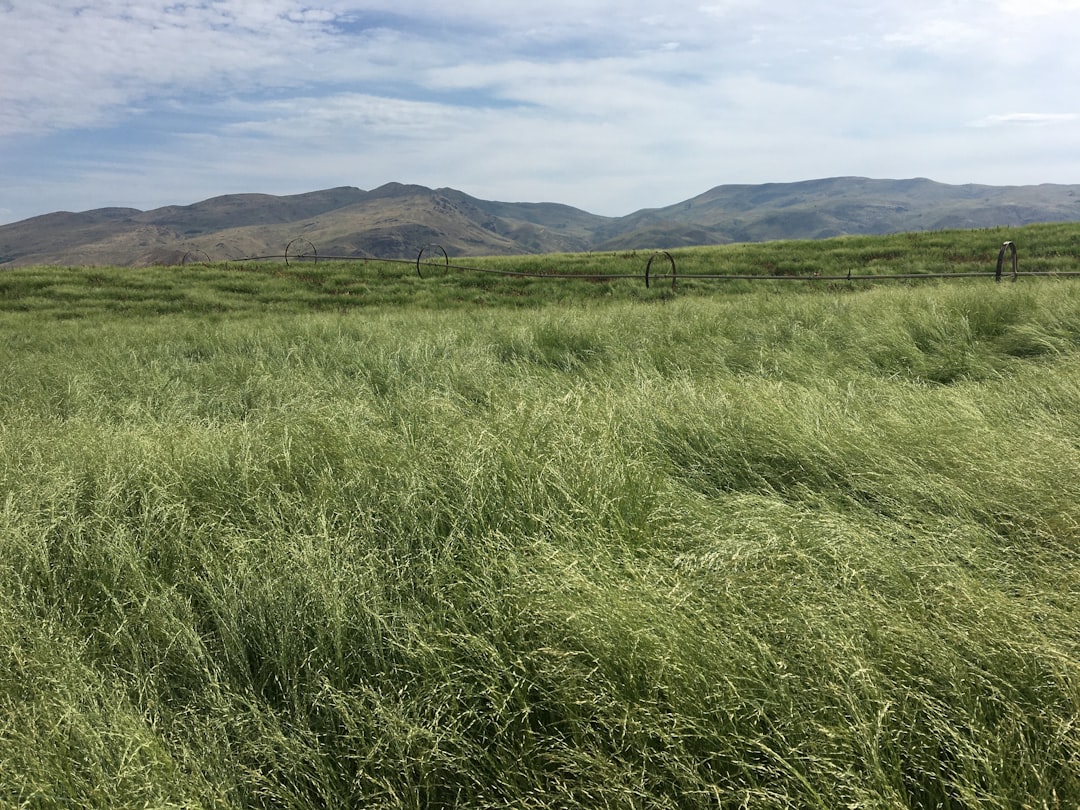
The diets react (see scores below)
Diet Ratings
Teff is a grain with approximately 30g net carbs per cooked cup. Despite being an ancient grain with some micronutrient benefits, it remains incompatible with ketogenic carb limits.
Teff is an ancient grain native to Ethiopia, entirely plant-based with no animal products or derivatives. It is a whole grain with excellent nutritional profile including protein and fiber.
Teff is a grain native to Ethiopia. Despite being nutrient-dense, it is still a grain and is explicitly excluded from the paleo diet which prohibits all grains.
Teff is a nutrient-dense ancient grain high in fiber, protein, and minerals. While not traditionally Mediterranean, it aligns perfectly with Mediterranean principles of whole grains and plant-based foods. Growing acceptance in Mediterranean regions as a health-conscious grain alternative.
Strict traditionalists may argue teff is not authentically Mediterranean, as it originates from Ethiopia. However, modern Mediterranean diet interpretations increasingly embrace non-traditional whole grains that meet nutritional principles.
Teff is a grain crop native to Ethiopia. Despite being a small grain with some micronutrients, it is plant-derived and excluded on all carnivore diet protocols.
Teff is a grain native to Ethiopia. All grains, including ancient and pseudo-grains, are excluded during the 30-day Whole30 program.
Teff is an ancient grain naturally low in FODMAPs. Monash University testing confirms teff as low-FODMAP at standard serving sizes (150g cooked grain).
Ancient whole grain rich in fiber, protein, calcium, magnesium, and iron. Naturally low sodium. Excellent DASH alignment with nutrient density and cardiovascular benefits.
Teff is an ancient grain with lower glycemic index (~55) and higher fiber/mineral content than refined grains. It's a better grain choice than wheat or corn, but still less ideal than vegetables. Can be used as occasional carb block with careful portioning.
Dr. Sears' published Zone materials don't extensively discuss teff. Some practitioners view ancient grains more favorably due to lower processing and better micronutrient profiles, though vegetables remain the preferred carb source.
Ancient whole grain with exceptional nutrient density. High in fiber, resistant starch, and polyphenols. Low glycemic index despite carbohydrate content. Rich in minerals (iron, calcium, magnesium) and antioxidants. Excellent anti-inflammatory grain choice aligned with Weil's pyramid emphasis on whole grains.
Teff is a whole grain with notably higher protein (13g per cooked cup) and fiber (7g per cooked cup) compared to couscous, polenta, or refined grains. It has a lower glycemic index and provides better nutrient density per calorie. However, it is less commonly evaluated in GLP-1 nutrition literature, and individual tolerance to its texture and digestibility varies.
Some GLP-1 RDs prioritize more familiar whole grains (oats, quinoa, brown rice) with established clinical data, while others specifically recommend teff for its superior protein and fiber profile. Teff's digestibility is generally good but individual tolerance to its slightly grainy texture should be assessed.
Nutritional profile
Six traits that cut across every diet.
Fiber & Plants
How much whole-plant food and fiber it delivers.
Healthy Fats
The quality of its fats (unsaturated, omega-3).
Whole / Unprocessed
How close it is to its natural, unprocessed form.
Gut Gentle
How easy it is on digestion (low FODMAP, few irritants).
Low Glycemic
How little it spikes your blood sugar.
Protein Density
How much protein it packs per calorie.
Controversy Index
Score range: 1–9/10. Higher controversy = more disagreement between diets.
Diet-Specific Tips for Teff
 Vegan — 9/10
- 100% plant-based
- Whole grain
- High protein and fiber
- No additives needed
 Mediterranean — 8/10
- Whole grain
- High in fiber and protein
- Nutrient-dense
- Not traditionally Mediterranean but aligns with principles
 Low-FODMAP — 8/10
- Ancient grain with minimal fructans
- Low GOS content
- Safe at typical portion sizes
- Good alternative to wheat
 DASH — 8/10
- Whole grain
- High fiber
- Rich in minerals (calcium, magnesium, iron)
- Low sodium
- Complete protein profile
 Zone — 6/10
- Lower glycemic index (~55)
- Higher fiber and minerals than refined grains
- Ancient grain (less processed)
- Still secondary to vegetable carbs
 Anti-Inflammatory — 8/10
- whole grain
- high fiber
- low glycemic index
- polyphenols
- mineral-rich
- resistant starch
 GLP-1 Friendly — 7/10
- High protein for a grain (13g per cup)
- High fiber (7g per cup)
- Whole grain with lower glycemic index
- Good nutrient density
- Less common in GLP-1 clinical literature