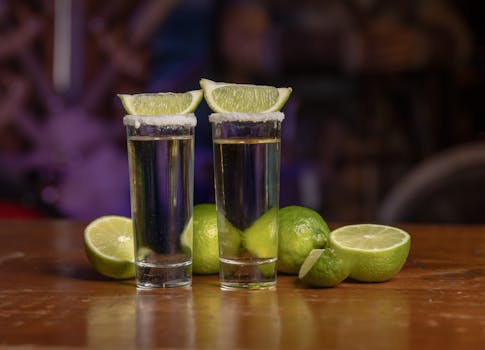
The diets react (see scores below)
Diet Ratings
Pure tequila (100% agave) contains zero carbs and zero sugar. It is fully keto-compatible. Avoid mixers and flavored varieties, which add carbs.
Tequila is distilled from agave plants. No animal products or animal-derived fining agents typically used. Plant-based spirit.
Distilled spirit from agave plant. Alcohol is processed and not available to hunter-gatherers, but agave is a natural source. Acceptable in strict moderation for some paleo practitioners.
Strict paleo excludes all distilled spirits as highly processed, while some modern paleo practitioners accept occasional tequila in moderation, viewing it as a lower-sugar alcohol option.
Spirits consumed outside Mediterranean tradition. Mediterranean diet emphasizes wine with meals; distilled spirits lack the polyphenol benefits of wine and encourage excessive consumption patterns.
Distilled from agave plant. Despite distillation removing most carbohydrates, the source is plant-derived. Strict carnivore excludes all plant-origin beverages.
Tequila is a distilled spirit and alcohol is explicitly excluded from Whole30 for the 30-day elimination period. Only certain vinegars (wine-based, rice, etc.) are exceptions, not distilled spirits.
Tequila is a distilled spirit with no fermentable carbohydrates. Distillation removes all sugars and FODMAPs. Low-FODMAP at all practical serving sizes.
Distilled spirit with zero sodium, zero sugar, zero carbohydrates. Moderate alcohol consumption acceptable in DASH. However, mixers often add sodium and sugar; straight consumption only.
Pure spirits (1.5 oz) ≈ 0g carbs but 100 calories from alcohol. No macronutrient blocks; alcohol metabolizes like fat without satiety. Can fit Zone if consumed with protein/carb meal, but provides no nutritional value.
Tequila is distilled alcohol with no anti-inflammatory compounds. The anti-inflammatory diet limits alcohol to optional moderate red wine consumption only. Spirits like tequila provide inflammatory risk without any compensatory benefits.
Empty calories, dehydrating, triggers nausea and reflux. High-proof spirits are particularly problematic for GLP-1 patients with reduced gastric tolerance.
Nutritional profile
Six traits that cut across every diet.
Fiber & Plants
How much whole-plant food and fiber it delivers.
Healthy Fats
The quality of its fats (unsaturated, omega-3).
Whole / Unprocessed
How close it is to its natural, unprocessed form.
Gut Gentle
How easy it is on digestion (low FODMAP, few irritants).
Low Glycemic
How little it spikes your blood sugar.
Protein Density
How much protein it packs per calorie.
Controversy Index
Score range: 1–9/10. Higher controversy = more disagreement between diets.
Diet-Specific Tips for Tequila
 Keto — 9/10
- zero net carbs
- zero sugar
- 100% agave varieties only
- avoid flavored or mixed drinks
- alcohol metabolism may slow ketosis temporarily
 Vegan — 9/10
- Plant-based
- No animal products
- No typical fining agents
- Distilled spirit
 Paleo — 5/10
- distilled/processed
- alcohol
- agave-derived
- moderation essential
 Low-FODMAP — 9/10
- Distilled spirit
- No fermentable carbohydrates
- No residual sugars
 DASH — 6/10
- Zero sodium
- Zero sugar
- Moderate alcohol acceptable
- Mixer selection critical
- Caloric content
 Zone — 5/10
- zero carbs
- alcohol calories
- no satiety
- no nutritional value