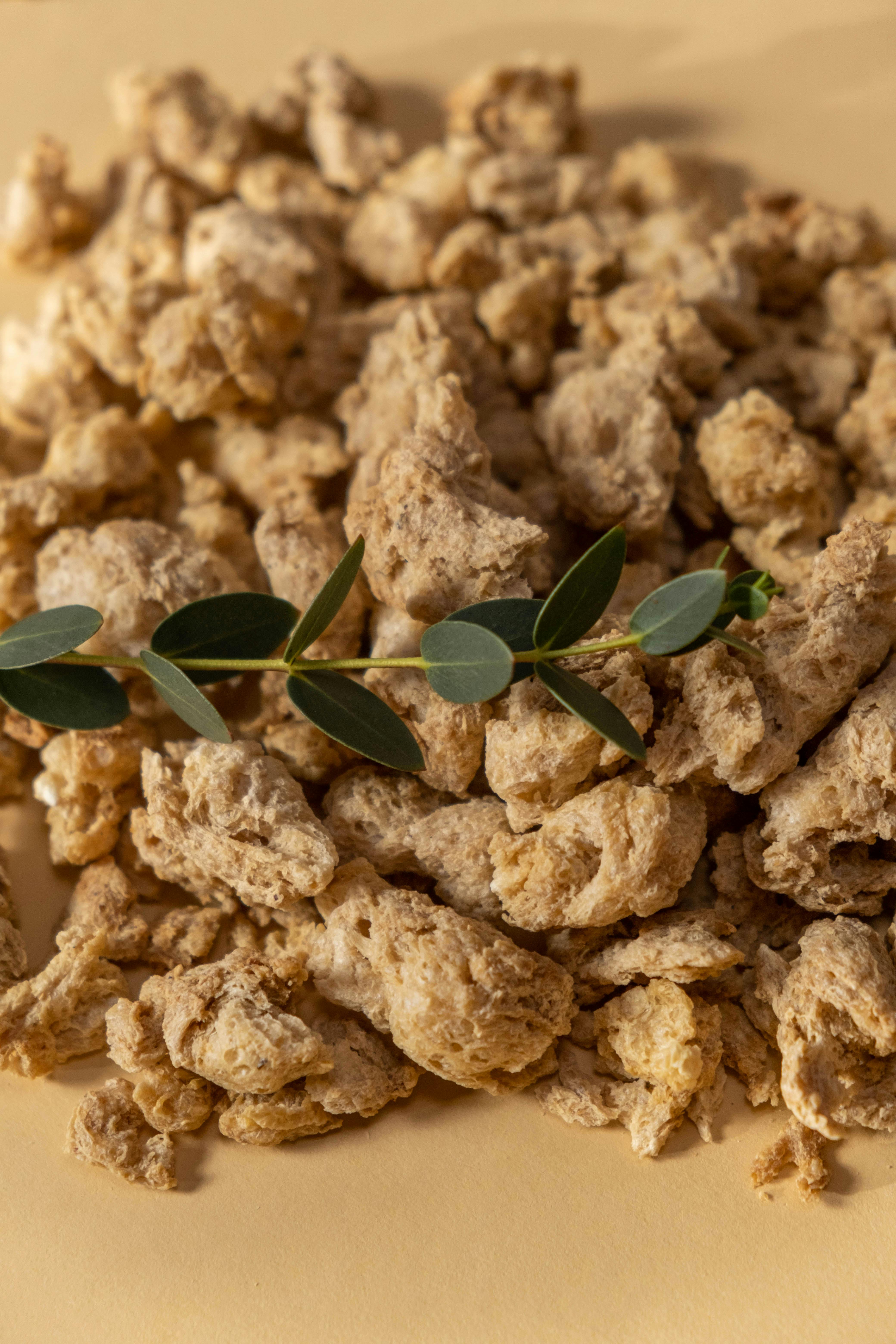
Textured vegetable protein (TVP)
Rated by 11 diets
The diets react (see scores below)
Diet Ratings
TVP is a processed soy product containing 2-3g net carbs per ounce and is highly processed. Soy protein isolate and processing methods make it incompatible with whole-food keto principles. Better protein sources available.
Plant-based soy product, fully vegan. However, highly processed and often contains additives. Lacks whole-food fiber and nutrients. Acceptable for convenience but not nutritionally optimal.
TVP is made from soy, a legume explicitly excluded from paleo diet. Additionally, it is a highly processed product involving extraction and texturization. Violates both the legume exclusion and whole-food principles.
Highly processed soy product with additives and minimal whole food content. Mediterranean diet emphasizes whole legumes (lentils, chickpeas, beans) over isolated protein products. Contradicts core principles.
Processed plant protein derived from soy (legume). Plant-derived and violates carnivore exclusion of all plant foods and legumes.
TVP is made from soy, which is an excluded legume on Whole30. Additionally, it is a highly processed food product designed to mimic meat texture. Doubly non-compliant.
TVP is made from soy, which contains GOS (galacto-oligosaccharides). Monash testing shows soy products vary; soy protein isolate is low-FODMAP, but TVP processing and serving size affect FODMAP load. Portion control is essential.
Monash University confirms soy protein isolate is low-FODMAP, but TVP (textured soy) contains more GOS than isolate. Clinical practitioners recommend limiting portions to 1/4 cup cooked or verifying the specific product's processing method.
TVP is a lean plant-based protein source with minimal sodium (when unseasoned), no saturated fat, and high fiber. Excellent DASH-compliant meat substitute supporting protein and fiber goals.
Highly processed soy product. Protein content good (12g per 1/4 cup dry) but carbs moderate (6g). Lacks whole-food nutrient density. Often contains additives. Soy concerns (phytoestrogens). Usable but inferior to whole protein sources.
Highly processed soy product created through extrusion. While soy itself is anti-inflammatory, TVP loses fiber, polyphenols, and whole-food structure. Often contains additives. Inferior to whole soy foods (tofu, tempeh, edamame) but acceptable as occasional convenience protein in moderation.
Some plant-based advocates view TVP as efficient, affordable protein; however, Dr. Weil emphasizes whole soy foods and cautions against excessive processing that removes beneficial compounds.
TVP provides 12g protein per 1/4 cup (dry) with minimal fat and is highly affordable. Rehydrates easily, works in soups, chili, and ground meat substitutes. Nutrient-dense per calorie and supports satiety. Excellent for budget-conscious GLP-1 patients.
Nutritional profile
Six traits that cut across every diet.
Fiber & Plants
How much whole-plant food and fiber it delivers.
Healthy Fats
The quality of its fats (unsaturated, omega-3).
Whole / Unprocessed
How close it is to its natural, unprocessed form.
Gut Gentle
How easy it is on digestion (low FODMAP, few irritants).
Low Glycemic
How little it spikes your blood sugar.
Protein Density
How much protein it packs per calorie.
Controversy Index
Score range: 1–8/10. Higher controversy = more disagreement between diets.
Diet-Specific Tips for Textured vegetable protein (TVP)
 Vegan — 5/10
- Highly processed
- Plant-based soy
- High protein
- Lacks fiber
- Long shelf life
 Low-FODMAP — 5/10
- Soy contains GOS
- Processing method affects FODMAP content
- Soy protein isolate is lower-FODMAP than whole TVP
- Portion size is critical
 DASH — 8/10
- High plant-based protein
- Low sodium (unseasoned)
- High fiber
- No saturated fat
- Minimal processing
 Zone — 5/10
- Highly processed
- Soy-based concerns
- Moderate carb content
- Lacks nutrient density
- Additives common
 Anti-Inflammatory — 4/10
- highly processed
- soy-derived but loses benefits
- lacks fiber and polyphenols
- often contains additives
- whole soy foods preferable
 GLP-1 Friendly — 8/10
- High protein density
- Very low fat
- Affordable
- Versatile
- Easy to prepare
- Nutrient-dense