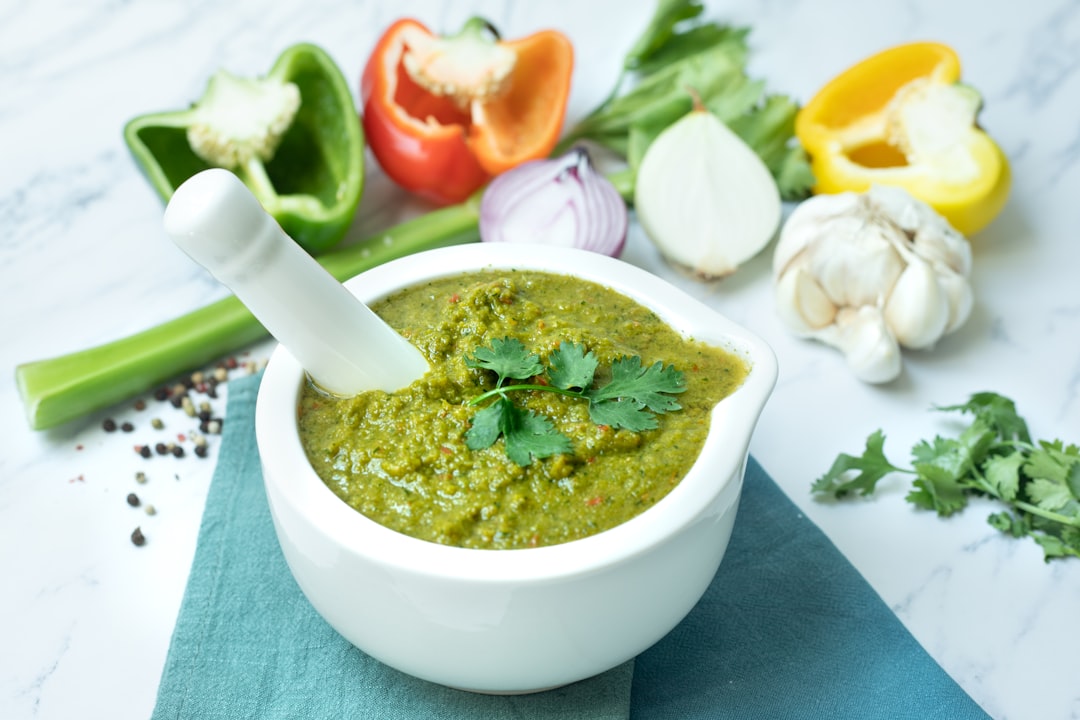
Thai green curry paste
Rated by 11 diets
The diets react (see scores below)
Diet Ratings
Thai green curry paste typically contains 2-4g net carbs per tablespoon (15g serving), depending on brand and added sugars. Most authentic pastes are relatively low-carb, but commercial versions may contain added sugar. Portion control is essential; 1-2 tablespoons per meal is manageable within daily carb limits.
Strict keto practitioners avoid curry pastes entirely due to potential hidden sugars and unpredictable carb content across brands, preferring to make paste from fresh ingredients (chilies, garlic, ginger, coconut milk).
Typically vegan (chilies, garlic, herbs, spices) but some brands add shrimp paste or fish sauce. Check label for animal products.
Some vegans consider all curry pastes suspect and prefer making homemade versions to ensure no hidden animal ingredients.
Typically contains paleo-approved ingredients (chilies, garlic, ginger, herbs) but often includes shrimp paste, fish sauce, and sometimes added sugar or salt. Quality varies significantly by brand. Homemade versions with clean ingredients are acceptable; commercial versions may contain additives.
Strict paleo practitioners avoid all fermented pastes due to processing and potential additives. However, traditional fermented fish sauce and shrimp paste are accepted by some paleo authorities as whole-food fermented products with probiotic value.
Contains some Mediterranean-compatible ingredients (garlic, herbs) but is heavily processed and may contain added sugars and sodium. Not a traditional Mediterranean ingredient, though individual components align with principles.
Modern Mediterranean diet interpretations increasingly incorporate global flavors and spice pastes when made with whole ingredients. Some practitioners view this as acceptable culinary evolution.
Blend of plant-derived ingredients (green chilies, garlic, lemongrass, galangal, shallots, spices). Contains plant compounds and violates carnivore exclusion of all plant foods.
Thai green curry paste is typically made from compliant ingredients (chilies, garlic, ginger, lemongrass, spices) but commercial versions often contain added sugar, fish sauce with additives, or other non-compliant ingredients. Homemade versions with verified ingredients would be compliant.
Melissa Urban recommends checking ingredient labels carefully. Some commercial pastes contain added sugar or non-compliant additives. Homemade curry paste using whole spices and compliant ingredients is acceptable.
Thai green curry paste typically contains garlic and onion as primary ingredients, both high in fructans. These are major FODMAP sources that make the paste high-FODMAP at any standard serving.
Contains beneficial herbs and spices (garlic, ginger, cilantro) but typically high in sodium (300-500mg per tablespoon). Some commercial versions contain added sugar and saturated fat from coconut. Use sparingly and check labels.
NIH DASH guidelines emphasize limiting sodium; however, updated clinical interpretation recognizes that small amounts of flavorful pastes can enhance adherence to DASH when used judiciously (1-2 teaspoons per serving).
Thai green curry paste contains garlic, chilies, herbs (anti-inflammatory polyphenols), but also contains sugar and sometimes coconut milk (saturated fat). Macronutrient profile varies by brand. Used as flavoring (small portions), it's acceptable; as a sauce base, carbs and saturated fat require monitoring.
Some Zone practitioners treat herb-based pastes as negligible condiments (near-zero macros in typical serving sizes), while others account for added sugars and coconut content. Sears' published materials don't specifically address curry pastes.
Contains turmeric, ginger, garlic, and chili peppers—all cornerstone anti-inflammatory herbs and spices. Fermented components add probiotic potential. Minimal added sugar in quality versions.
Contains spices (green chilies, garlic) that may trigger reflux or nausea in GLP-1 patients. Also typically high in sodium. Small amounts acceptable in dishes with protein and fiber, but not recommended on empty stomach or in large quantities.
Some GLP-1 RDs report patients tolerate moderate spice well if food is consumed slowly with adequate hydration; individual tolerance varies significantly. Spice sensitivity is not universal but is common enough to warrant caution.
Nutritional profile
Six traits that cut across every diet.
Fiber & Plants
How much whole-plant food and fiber it delivers.
Healthy Fats
The quality of its fats (unsaturated, omega-3).
Whole / Unprocessed
How close it is to its natural, unprocessed form.
Gut Gentle
How easy it is on digestion (low FODMAP, few irritants).
Low Glycemic
How little it spikes your blood sugar.
Protein Density
How much protein it packs per calorie.
Controversy Index
Score range: 1–8/10. Higher controversy = more disagreement between diets.
Diet-Specific Tips for Thai green curry paste
 Keto — 5/10
- 2-4g net carbs per tablespoon (brand-dependent)
- Potential added sugars in commercial versions
- Portion control critical
- Authentic versions lower-carb than commercial
 Vegan — 6/10
- brand-dependent
- may contain fish sauce
- may contain shrimp paste
- requires label verification
 Paleo — 5/10
- ingredient variability by brand
- potential added sugar
- fermented fish/shrimp components
- processing level
- additive risk
 Mediterranean — 5/10
- Processed product
- Added sodium potential
- Non-traditional ingredient
- Some whole herb content
 Whole30 — 5/10
- Commercial versions often contain added sugar
- Fish sauce may contain additives
- Homemade versions can be compliant
- Label verification essential
 DASH — 5/10
- High sodium content
- May contain added sugar
- Potential coconut oil (saturated fat)
- Beneficial herbs and spices
- Portion control critical
 Zone — 5/10
- Variable sugar content by brand
- Potential coconut milk (saturated fat)
- Anti-inflammatory spices (positive)
- Portion size determines impact
 Anti-Inflammatory — 8/10
- Turmeric (curcumin)
- Ginger and garlic
- Chili peppers
- Fermented base
- Minimal processing
 GLP-1 Friendly — 4/10
- spicy (potential reflux trigger)
- high sodium
- small portion friendly
- individual tolerance varies