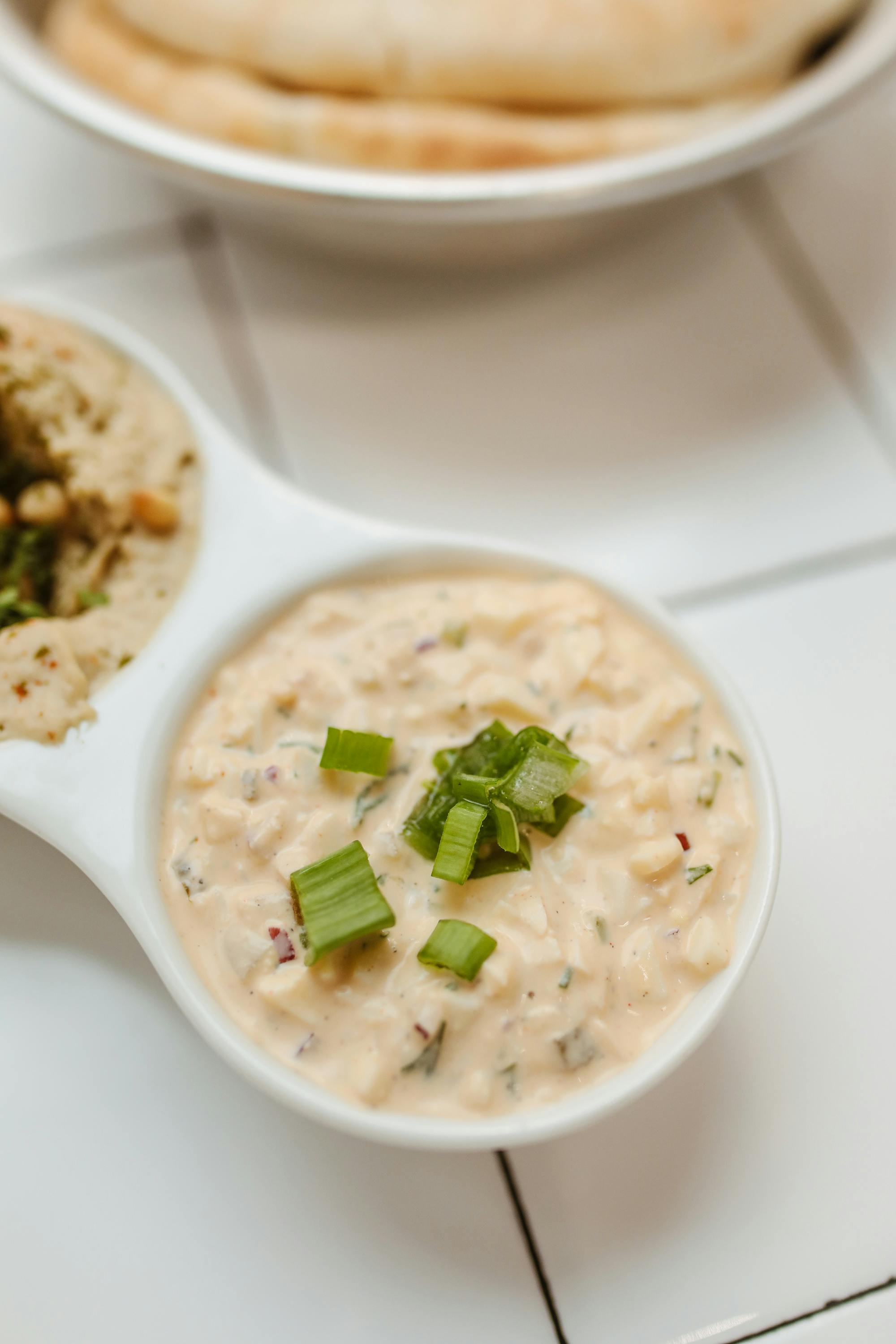
Thousand Island dressing
Rated by 11 diets
The diets react (see scores below)
Diet Ratings
Thousand Island dressing contains ketchup and sugar-sweetened relish as primary ingredients. Standard 2 tbsp serving contains 3-5g net carbs from added sugars. Incompatible with keto carb limits.
Traditional Thousand Island dressing contains mayonnaise (eggs) and often sour cream or yogurt (dairy). Contains multiple animal-derived ingredients incompatible with veganism.
Thousand Island dressing is made with mayonnaise (often seed oil-based), ketchup (refined sugar), and relish (refined sugar and additives). Multiple paleo violations: seed oils, refined sugar, and processed ingredients make it incompatible.
Thousand Island dressing is typically made with mayonnaise, ketchup, and processed ingredients high in saturated fat, added sugars, and sodium. It contradicts Mediterranean principles by emphasizing processed foods and unhealthy fats.
Thousand Island dressing is primarily mayonnaise (eggs and plant oils) with ketchup (tomato), relish (vegetables), and other plant-based ingredients. While it contains eggs, the dominant components are plant-derived, making it incompatible with carnivore diet.
Thousand Island dressing typically contains mayonnaise (often with soy lecithin, though no longer excluded per 2024 rules), ketchup (added sugar), and relish (added sugar). Most versions are non-compliant due to added sugars.
Thousand Island dressing typically contains ketchup, mayonnaise, relish, and onion. Ketchup often contains garlic and onion powder (high-FODMAP). Relish contains onion (high-FODMAP). Multiple high-FODMAP ingredients make this unsuitable.
Thousand Island dressing is high in sodium (200-300mg per 2 tablespoons), saturated fat from mayonnaise, and added sugars from ketchup and relish. Heavily processed with minimal nutritional benefit. Conflicts with multiple DASH principles.
Typically mayo-based (good fat) but contains ketchup and sugar (2-3g per tablespoon). High-glycemic carbs and excess saturated fat from mayo. Requires careful portioning.
Thousand Island is typically mayonnaise-based (seed oil, inflammatory), contains ketchup (added sugars), relish (added sugars), and often high-fructose corn syrup. Multiple pro-inflammatory ingredients: refined seed oils, added sugars, and artificial additives. Directly contradicts anti-inflammatory guidelines.
Thousand Island dressing is high in fat (10-12g per 2 tablespoons), sugar (2-3g), and often contains mayo and sweetened relish. High fat content worsens GLP-1 side effects (nausea, bloating, reflux). Better alternatives exist (vinaigrette, tzatziki, mustard-based).
Nutritional profile
Six traits that cut across every diet.
Fiber & Plants
How much whole-plant food and fiber it delivers.
Healthy Fats
The quality of its fats (unsaturated, omega-3).
Whole / Unprocessed
How close it is to its natural, unprocessed form.
Gut Gentle
How easy it is on digestion (low FODMAP, few irritants).
Low Glycemic
How little it spikes your blood sugar.
Protein Density
How much protein it packs per calorie.
Controversy Index
Score range: 2–4/10. Higher controversy = more disagreement between diets.
Diet-Specific Tips for Thousand Island dressing
 Zone — 4/10
- Added sugar from ketchup
- Saturated fat from mayo
- High-glycemic carbs
- Portion control critical