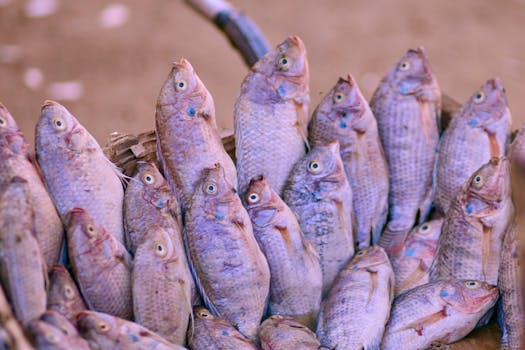
The diets react (see scores below)
Diet Ratings
Tilapia contains ~0g net carbs with ~26g protein and ~1.7g fat per 100g. Excellent lean protein source for keto. Low fat content means it should be paired with fat sources (butter, oil, mayo). Macronutrically ideal.
Animal flesh product derived from fish. Contains no plant-based components. Directly violates vegan diet principles which exclude all fish and seafood.
Tilapia is unprocessed fish that was available to Paleolithic humans in certain regions. It is protein-rich and nutrient-dense. While some paleo practitioners prefer wild-caught fish over farmed due to omega-3 content and potential contaminants, tilapia is generally approved.
Tilapia is a fish providing lean protein, omega-3 fatty acids, and essential nutrients. It aligns with Mediterranean recommendations for fish consumption 2-3 times weekly.
Animal-derived fish. Excellent protein source. Widely accepted in carnivore diet. Provides omega-3 fatty acids. Minimally processed when fresh or frozen without additives.
Tilapia is unprocessed seafood with no excluded ingredients. Fully compliant with Whole30 guidelines.
Tilapia is low in FODMAPs. Plain, unprocessed fish is confirmed low-FODMAP by Monash University with no fermentable carbohydrates.
Lean fish with high protein, low saturated fat, and low sodium. Excellent DASH protein source. Rich in omega-3 fatty acids when prepared without added salt.
Lean fish protein (~26g per 3.5 oz) with minimal fat (~2g per 3.5 oz). Excellent Zone protein source. Lower omega-3 content than fatty fish (salmon), but superior to red meat. Clean macronutrient profile enables easy Zone meal balancing. Supports anti-inflammatory protocol.
Tilapia is lean protein but has unfavorable omega-3 to omega-6 ratio compared to fatty fish (salmon, sardines, mackerel). Farm-raised tilapia particularly high in omega-6. Acceptable but inferior to recommended fatty fish.
Dr. Weil and some sources accept tilapia as acceptable lean fish protein. However, research shows tilapia has higher omega-6 content and lower omega-3 than fatty fish, making it less ideal for anti-inflammatory diet. Fatty fish strongly preferred.
Excellent lean protein source (26g per 100g cooked). Very low fat (1.7g per 100g cooked). Easy to digest and nutrient-dense per calorie. Good source of B vitamins and minerals. Works well in small portions. Prepare without added fat (bake, grill, or steam).
Nutritional profile
Six traits that cut across every diet.
Fiber & Plants
How much whole-plant food and fiber it delivers.
Healthy Fats
The quality of its fats (unsaturated, omega-3).
Whole / Unprocessed
How close it is to its natural, unprocessed form.
Gut Gentle
How easy it is on digestion (low FODMAP, few irritants).
Low Glycemic
How little it spikes your blood sugar.
Protein Density
How much protein it packs per calorie.
Controversy Index
Score range: 1–9/10. Higher controversy = more disagreement between diets.
Diet-Specific Tips for Tilapia
 Keto — 8/10
- 0g net carbs
- 26g protein per 100g
- Low fat (pair with fat sources)
- Whole, unprocessed protein
 Paleo — 8/10
- Unprocessed fish
- High-quality protein
- Available to hunter-gatherers
- Wild-caught preferred over farmed
- Farmed tilapia may have lower omega-3 content
 Mediterranean — 8/10
- Fish category alignment
- Lean protein source
- Omega-3 fatty acids
- Recommended frequency support
 Carnivore — 8/10
- Animal-derived fish
- High-quality protein
- Contains omega-3 fatty acids
- Minimally processed
 Whole30 — 9/10
- Whole seafood
- No excluded ingredients
- Unprocessed
 Low-FODMAP — 9/10
- Protein-based, no FODMAPs
- Plain preparation essential
- Unrestricted serving size
 DASH — 8/10
- Lean protein
- Low saturated fat
- Low sodium
- Omega-3 fatty acids
 Zone — 8/10
- Lean protein source
- Minimal fat
- Clean macronutrient profile
- Anti-inflammatory
 Anti-Inflammatory — 5/10
- lean protein
- low omega-3 content
- high omega-6 to omega-3 ratio
- inferior to fatty fish
 GLP-1 Friendly — 8/10
- very high protein
- very low fat
- easy to digest
- nutrient-dense per calorie
- preparation method important