The diets react (see scores below)
Diet Ratings
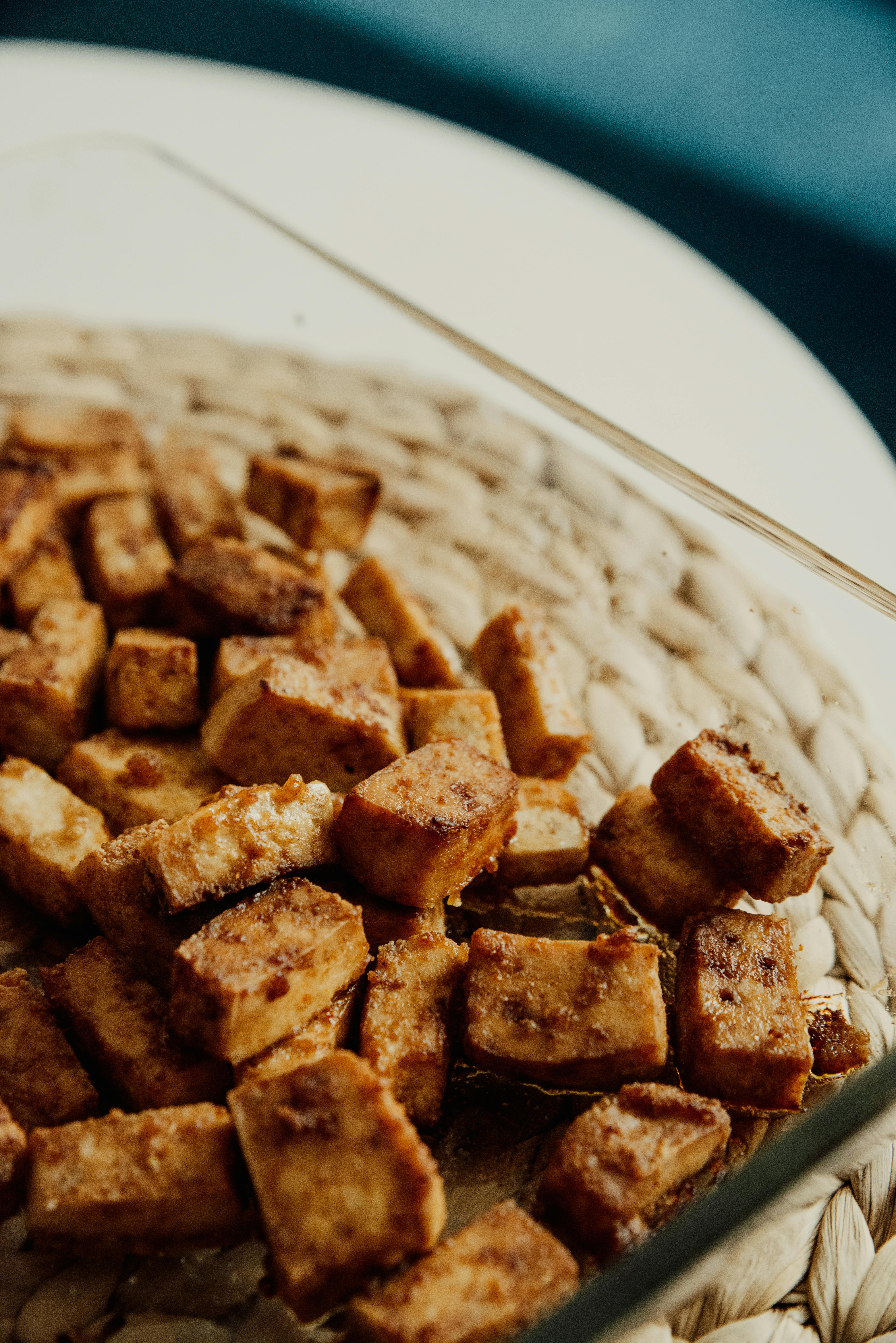
Tofu scramble (plain crumbled tofu with seasonings) is ~1.5g net carbs per 100g, but commercial mixes often contain added sugars, starches, or high-carb seasonings (5-8g carbs). Homemade versions are keto-friendly; pre-made versions require label checking.
Strict keto practitioners prefer whole eggs over tofu-based scrambles due to superior fat content and satiety, while plant-based keto followers embrace tofu scramble as a complete meal.
Plant-based dish made from tofu with vegetables and seasonings. Whole plant foods, minimally processed, excellent vegan protein source.
Tofu scramble is made from tofu (soy/legume), which is excluded from paleo. Often contains additional processed ingredients and additives. Eggs are the paleo alternative.
Prepared dish using minimally processed tofu. Acceptable as plant-based protein alternative, but not traditional Mediterranean. Mediterranean diet traditionally uses eggs for breakfast protein. Acceptable in moderation as modern plant-based option.
Some Mediterranean diet practitioners accept tofu scramble as valid modern adaptation for plant-based diets; traditionalists prefer eggs or Mediterranean legume-based breakfasts.
Tofu scramble is soy-based (plant legume) with added plant ingredients and seasonings. Completely plant-derived despite mimicking egg preparation. Explicitly excluded from carnivore diet.
Tofu scramble is made from tofu (soy/legume, excluded) and is a recreated junk food mimicking scrambled eggs. It violates Whole30 on multiple grounds.
Tofu itself is low-FODMAP, but scramble preparations typically include onion, garlic, or other high-FODMAP vegetables. FODMAP status depends entirely on preparation method and added ingredients.
Monash University rates tofu as low-FODMAP, but 'tofu scramble' is a prepared dish. Clinical practitioners emphasize that added ingredients (onion, garlic, mushrooms) determine FODMAP content. Homemade versions with low-FODMAP vegetables are safe; commercial versions often contain problematic ingredients.
Plant-based protein dish using tofu (DASH-approved). Nutrient-dense when prepared without excess sodium or saturated fat. Supports DASH emphasis on plant proteins and vegetables.
Depends heavily on preparation. Crumbled tofu (~10g protein per 3oz) with vegetables is usable. However, restaurant versions often contain added oils, soy sauce (sodium/carbs), and turmeric-heavy spicing. Homemade with measured olive oil preferred.
Dr. Sears prioritizes egg whites as superior protein source for satiety and micronutrient density. Tofu scramble acceptable as vegetarian alternative if oil and carbs carefully controlled.
Whole soy food preparation with anti-inflammatory properties. When prepared with vegetables, herbs, and olive oil, provides complete protein, antioxidants, and polyphenols. Excellent breakfast option.
High protein (12-15g per serving when made with firm tofu), low fat (3-4g if prepared with minimal oil), easy to digest, versatile with vegetables, works well in small portions, nutrient-dense. Turmeric and spices add flavor without heaviness. Excellent breakfast/meal option for GLP-1 patients.
Nutritional profile
Six traits that cut across every diet.
Fiber & Plants
How much whole-plant food and fiber it delivers.
Healthy Fats
The quality of its fats (unsaturated, omega-3).
Whole / Unprocessed
How close it is to its natural, unprocessed form.
Gut Gentle
How easy it is on digestion (low FODMAP, few irritants).
Low Glycemic
How little it spikes your blood sugar.
Protein Density
How much protein it packs per calorie.
Controversy Index
Score range: 1–8/10. Higher controversy = more disagreement between diets.
Diet-Specific Tips for Tofu scramble
 Keto — 5/10
- Homemade: ~1.5g net carbs per 100g
- Commercial mixes: 5-8g carbs per serving
- Added ingredients (soy sauce, spices) may contain hidden carbs
- Label-dependent verdict
 Vegan — 8/10
- Whole plant foods
- Complete protein
- Minimal processing
- Preparation method matters
 Mediterranean — 4/10
- plant-based protein
- prepared dish
- not traditional Mediterranean
- eggs traditionally preferred
 Low-FODMAP — 5/10
- Tofu base is low-FODMAP
- Added vegetables determine FODMAP status
- Onion and garlic are high-FODMAP
- Preparation method critical
 DASH — 8/10
- Plant-based protein
- Vegetable-based
- Low sodium (home-prepared)
- Rich in minerals
 Zone — 5/10
- Preparation-dependent
- Often oil-heavy
- Variable sodium
- Vegetarian protein option
 Anti-Inflammatory — 8/10
- whole soy food
- complete protein
- vegetable additions
- herb and spice potential
 GLP-1 Friendly — 8/10
- high protein
- low fat
- easy to digest
- portion-friendly
- versatile
- nutrient-dense
- satisfying texture