The diets react (see scores below)
Diet Ratings
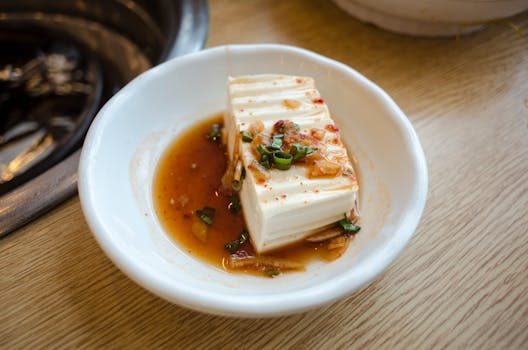
Silken tofu contains ~1.5g net carbs per 100g with 8g protein and 5g fat. Low-carb, versatile protein source. Firm tofu is similar. Minimal impact on carb budget.
Whole plant food derived from soybeans. Complete protein, minimally processed, versatile. Staple of vegan cuisine.
Tofu is made from soybeans, which are legumes explicitly excluded from paleo diet. Soy is also heavily processed and contains anti-nutrients. Not available to hunter-gatherers.
Minimally processed plant-based protein from soybeans. Aligns with plant-based emphasis but not traditional to Mediterranean diet. Acceptable as modern plant protein alternative to meat, though legumes are traditionally preferred.
Mediterranean diet traditionally emphasizes Mediterranean legumes (chickpeas, lentils, beans). Some modern practitioners accept tofu as acceptable plant protein; traditionalists prefer regional legumes.
Tofu is soy-derived (plant legume). It is a plant product and explicitly excluded from carnivore diet. Contains plant compounds and phytoestrogens contrary to carnivore principles.
Tofu is made from soybeans, which are legumes. Legumes are explicitly excluded from Whole30 for the full 30 days.
Silken tofu is Monash-tested and rated low-FODMAP at generous servings (>200g). Soy protein isolate is low in fermentable carbohydrates. No GOS concerns at standard portions.
Plant-based protein rich in minerals (calcium, magnesium, potassium). Low sodium when unsalted. Supports DASH emphasis on legumes and plant proteins. Versatile and nutrient-dense.
Silken tofu is softer, higher water content (~2g protein per 3oz vs. 10g for firm). Contains ~1-2g carbs and ~2g fat per serving. Usable but requires larger portions for protein block, disrupting fat/carb balance. Firm tofu preferred.
Whole soy food emphasized in anti-inflammatory diet. Silken tofu provides complete protein, isoflavones, and anti-inflammatory compounds. Minimal processing. Excellent plant-based protein source.
Good protein (8-10g per 3oz serving), low fat (2-3g), easy to digest, versatile. However, silken tofu has softer texture that may not provide satiety compared to firm tofu. Lower protein density per calorie than firm varieties. Works in smoothies or soups but less satisfying as standalone protein.
Nutritional profile
Six traits that cut across every diet.
Fiber & Plants
How much whole-plant food and fiber it delivers.
Healthy Fats
The quality of its fats (unsaturated, omega-3).
Whole / Unprocessed
How close it is to its natural, unprocessed form.
Gut Gentle
How easy it is on digestion (low FODMAP, few irritants).
Low Glycemic
How little it spikes your blood sugar.
Protein Density
How much protein it packs per calorie.
Controversy Index
Score range: 1–9/10. Higher controversy = more disagreement between diets.
Diet-Specific Tips for Tofu (silken)
 Keto — 8/10
- Low net carbs (1.5g per 100g)
- Complete protein with all amino acids
- Moderate fat content
- Minimal processing, whole food source
 Vegan — 9/10
- Whole plant food
- Complete protein
- Minimal processing
- Soy sustainability considerations
 Mediterranean — 4/10
- plant-based protein
- minimally processed
- not Mediterranean traditional
- legumes traditionally preferred
 Low-FODMAP — 9/10
- Monash-tested low-FODMAP
- Minimal fermentable carbohydrates
- High protein, low carbohydrate
- Safe at unlimited portions in elimination phase
 DASH — 8/10
- Plant-based protein
- Rich in minerals
- Low sodium (unsalted)
- Supports DASH legume emphasis
 Zone — 6/10
- Lower protein density
- Higher water content
- Contains carbs
- Requires larger portions
 Anti-Inflammatory — 8/10
- whole soy food
- complete protein
- isoflavones
- minimal processing
 GLP-1 Friendly — 6/10
- good protein
- low fat
- easy to digest
- soft texture
- lower satiety than firm
- versatile