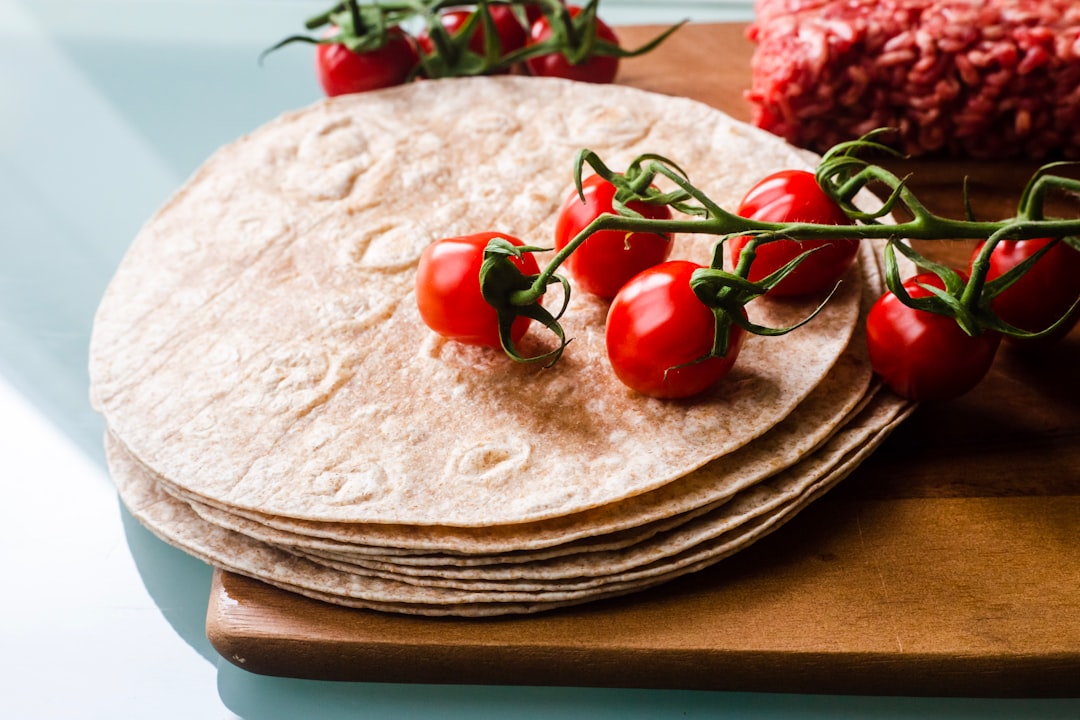
The diets react (see scores below)
Diet Ratings
Low-carb tortillas typically contain 2-5g net carbs per tortilla, making them consumable within a keto diet if portion-controlled. However, quality varies significantly by brand, and some contain sugar alcohols or additives that may affect individuals differently.
Strict keto practitioners avoid all grain-based products including low-carb tortillas due to concerns about processed ingredients, sugar alcohols triggering cravings, or maintaining metabolic strictness despite low carb counts.
Low-carb tortillas often contain hidden animal-derived ingredients like whey, casein, or mono/diglycerides from animal sources. Many brands are vegan, but label verification is essential. Heavily processed.
Some vegans accept low-carb tortillas if ingredients are verified plant-based, viewing them as acceptable processed foods for dietary needs.
Low-carb tortillas are typically made from wheat gluten, soy, or other grain derivatives with added binders and preservatives. While lower in carbs, they remain processed grain products. Some paleo practitioners accept them as occasional substitutes, but strict paleo excludes them.
Some flexible paleo followers use low-carb tortillas made from almond or coconut flour as occasional convenience foods, though this contradicts the whole-foods philosophy.
Low-carb tortillas are often ultra-processed with sugar alcohols and additives to reduce carbohydrates. While lower carb, they deviate from traditional Mediterranean whole grain approach. Some modern Mediterranean practitioners accept them as occasional alternatives.
Some contemporary Mediterranean diet adaptations include low-carb alternatives for those managing blood sugar, though traditional Mediterranean diet emphasizes whole grain carbohydrates rather than carb reduction.
Low-carb tortillas typically use plant-based fiber sources (cellulose, psyllium husk, wheat gluten) or sugar alcohols. Despite reduced carbs, the plant-derived base violates carnivore exclusivity rules.
Tortillas are explicitly listed as prohibited foods in Whole30 guidelines, regardless of carb content or ingredients. They fall under the 'no recreating baked goods/wraps' category.
Low-carb tortillas vary widely in ingredients. Many use wheat flour substitutes (allulose, sugar alcohols) or contain inulin/chicory root (high-FODMAP). Monash testing is limited for this category. Safe only if verified ingredient list avoids fructans and polyols.
Monash University has limited specific data on low-carb tortillas. Clinical practitioners report variable tolerance depending on sweetener type; those using erythritol or stevia may be safer than those with inulin or sorbitol.
Often made with refined flour or sugar alcohols. Sodium content varies significantly. While lower carb, may lack fiber benefits of whole grain tortillas. Acceptable occasionally but whole grain alternatives preferred.
NIH DASH guidelines prioritize whole grains; updated clinical interpretation recognizes low-carb options for glycemic control in specific populations, though fiber content remains suboptimal.
Low-carb tortillas (typically 2-5g net carbs per tortilla) are Zone-compatible if truly low-glycemic. However, many contain sugar alcohols or artificial sweeteners; check labels. One tortilla ≈ 0.2-0.5 carb blocks. Usable as a carb vehicle but requires verification of ingredient quality and net carb calculation.
Low-carb tortillas often use sugar alcohols, fiber additives, and processed ingredients. While lower glycemic impact than regular tortillas, they typically contain seed oils (sunflower, safflower) and artificial additives. Quality varies significantly by brand.
Some anti-inflammatory advocates view low-carb tortillas favorably if made with whole grain flour and minimal additives. Dr. Weil emphasizes whole grain preference but acknowledges low-carb options for blood sugar management in specific contexts.
Low-carb tortillas typically contain added fiber (often inulin or cellulose) and reduced refined carbs, making them nutritionally superior to regular tortillas. Protein content is modest (3-5g per tortilla). They work well as a vehicle for high-protein fillings (grilled chicken, beans, Greek yogurt). However, some GLP-1 patients report digestive discomfort from sugar alcohols or artificial fibers used in low-carb products. Individual tolerance varies significantly.
Some RDs recommend low-carb tortillas as a staple for GLP-1 patients due to fiber and portion control; others caution that added fibers (inulin, chicory root) can trigger bloating or loose stools in sensitive patients, and recommend whole grain or bean-based alternatives instead.
Controversy Index
Score range: 1–6/10. Higher controversy = more disagreement between diets.
Diet-Specific Tips for Tortilla (low-carb)
 Keto — 5/10
- 2-5g net carbs per tortilla (brand-dependent)
- Processed food
- May contain sugar alcohols
- Portion control essential
 Vegan — 5/10
- Requires ingredient label verification
- Often contains whey or casein
- May contain animal-derived emulsifiers
- Heavily processed
 Paleo — 5/10
- Processed grain or legume base
- Contains additives and binders
- Not a whole food
- Debated within community
 Mediterranean — 5/10
- ultra-processed
- contains sugar alcohols
- artificial additives
- deviates from whole grain tradition
- acceptable for specific health goals
 Low-FODMAP — 6/10
- Ingredient-dependent (sweetener type critical)
- Potential hidden inulin or chicory root
- Polyol content varies by brand
- Wheat flour presence in many brands
 DASH — 5/10
- variable sodium content
- often refined grain base
- lower fiber than whole grain
- sugar alcohols may cause GI effects
 Zone — 6/10
- Net carbs typically 2-5g per tortilla
- Label-dependent quality
- May contain sugar alcohols
- Useful carb vehicle if verified low-glycemic
- Portion: one tortilla per meal
 Anti-Inflammatory — 5/10
- processed ingredients
- seed oils common
- sugar alcohols
- variable quality
- lower glycemic impact
 GLP-1 Friendly — 6/10
- added fiber (variable tolerance)
- low protein density
- portion-friendly
- may contain sugar alcohols or artificial fibers